
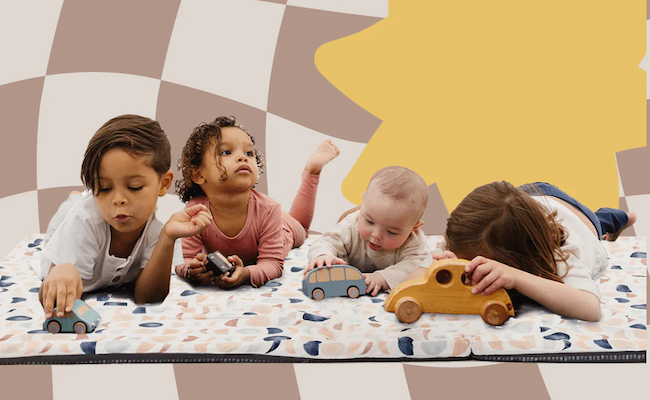

The Top 5 Safest Crib Toys for Your Baby
Author: Francesca, Founder and CEO, EasyTot
Crib Mobiles & Musical Toys
Musical mobiles have long been cherished companions in nurseries, offering soothing melodies and gentle movement that captivates young babies. These hanging toys are specifically designed to be safely mounted above cribs, providing visual and auditory stimulation during tummy time or quiet moments. When chosen carefully, they support your baby's sensory development while promoting restful sleep.


Soft Comfort Toys
Soft, plush toys designed with safety in mind can provide comfort and companionship for your baby. These toys are made from gentle, washable materials and are sized appropriately to avoid any suffocation risks. Soft toys with varied textures encourage sensory exploration and can become cherished comfort objects as your baby grows.


Sensory & Interactive Toys
Babies learn about their world through their senses. Interactive toys with varied textures, crinkle sounds, and magnetic elements provide safe, engaging sensory stimulation. These toys encourage hand-eye coordination and cognitive development while remaining firmly attached or sized to prevent any hazards. They're perfect companions during playtime and exploration.


Wood Toys & Teethers
Wooden toys are timeless choices for safe, durable crib companions. Made from sustainably sourced natural materials, they offer satisfying textures and sounds while posing minimal safety risks. Wood teethers and hanging toys support your baby's natural urge to chew and explore while delivering a clean, minimalist aesthetic that complements any nursery.


Safety Checklist for Crib Toys
Before placing any toy in your baby's crib, verify:
- No small detachable parts that could be choking hazards
- No long strings, ribbons, or straps over 6 inches that could cause entanglement
- Toys are firmly secured and won't fall into the crib
- Non-toxic, BPA-free materials, especially for anything baby might chew
- Regular inspection for wear, tears, or loose components
- Removal of mobiles once baby can sit or pull to stand (typically 5-6 months)
The Verdict
The safest crib toys are those specifically designed with infant safety standards in mind—whether that's a thoughtfully constructed wooden mobile, a soft plush companion, or an interactive sensory toy with secure attachments. The best toy is one you've thoroughly inspected, one you understand completely, and one you'll regularly check for safety. Your vigilance is just as important as the toy itself.
Trust your instincts as a parent. If something doesn't feel right about a toy—if it seems too hard, too small, too loose, or too long—it probably isn't right for your baby's crib. When in doubt, leave it out.
Frequently Asked Questions
When can I start using crib toys?
The American Academy of Pediatrics recommends waiting until your baby is at least 6 months old before introducing toys into the crib. Newborns and very young infants sleep safest with nothing but a fitted sheet. Even then, introduce toys gradually and monitor your baby closely.
Are soft toys ever safe in a crib?
Soft toys designed specifically for cribs with proper sizing and secure attachments can be safe for older babies (6+ months). However, many pediatricians recommend waiting until 12 months or later for soft toys, and always removing them during sleep if there's any question about safety.
How often should I inspect crib toys?
Inspect toys weekly for signs of wear, loose stitching, detaching parts, or damage. Immediately remove any toy that shows signs of deterioration. Regular washing is also important—follow manufacturer guidelines for cleaning.
What should I look for in a safe mobile?
Choose mobiles that are securely fastened, hang well out of baby's reach, have no dangling parts within grabbing distance, and contain no small pieces. Remove the mobile as soon as your baby begins to sit up or show interest in reaching for it, typically around 5-6 months.
Can I use toys from older siblings?
Used toys can work if they're still in excellent condition with no cracks, loose parts, or wear. Thoroughly clean them, inspect them carefully, and verify they meet current safety standards. If you're unsure, it's better to start fresh with new toys designed with modern safety guidelines.
Read more

First Birthday Gift Ideas Expertly Reviewed
Looking for unique first birthday gifts in 2022? Whether it’s your own child or one of your friends’ kids, you want to give something that is memorable but not overly expensive.
Read more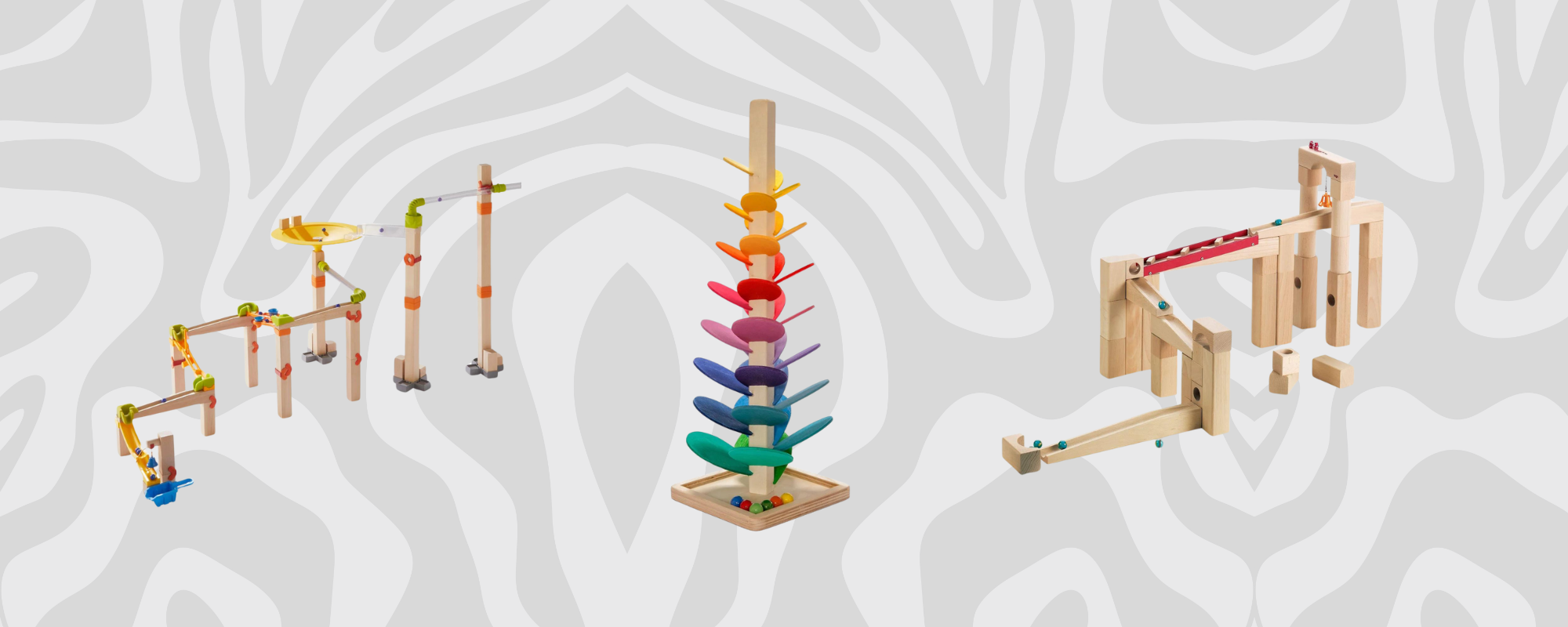
Why do toddlers like marble runs?
In This Article A Symphony of Sights and Sounds Predictable Patterns and Surprising Twists The Learning Behind the Fun The Thrill of the Chase The Joy of Collect...
Read more