

 Milestone guide
Your 11-Month-Old Baby: Milestones & Development (2026)
 ·
April 25, 2026
·
April 25, 2026
Eleven months — you're in the home stretch of your baby's first year, and the transformation from helpless newborn to this opinionated, mobile, communicative person is nothing short of astonishing. At eleven months, your baby is on the cusp of toddlerhood, and many of the skills they've been building all year are reaching critical mass. Walking, talking, and pretend play are all either emerging or about to emerge, making this one of the most exciting and exhausting months of the entire first year.
Many eleven-month-olds are either taking their first independent steps or are tantalizingly close. They stand confidently, cruise at speed, and may walk while holding onto just one of your hands. The first independent steps, when they come, are usually short and wobbly. If your baby isn't walking yet, there's absolutely no cause for concern — the normal range for independent walking extends to 18 months. Whether your baby is cruising or stepping, well-fitted first shoes with flexible soles give them the grip and support they need. Look for shoes that are lightweight and that your baby can easily balance in.
As those first steps get more confident, proper toddler shoes become the next consideration — slightly more structured than pre-walkers, with durable soles for outdoor surfaces but still flexible enough for natural foot development.
Climbing emerges as a new and sometimes terrifying skill at eleven months. Your baby can figure out how to climb stairs, scale low furniture, and get into places you didn't think were accessible. This climbing drive is relentless and purposeful. Stair gates are absolutely essential, and close supervision around furniture is critical. Teaching your baby to go down stairs safely — backward, on their tummy — is one of the most practical safety skills you can work on this month. Sturdy, age-appropriate furniture gives your baby safe surfaces to pull up on and climb, rather than toppling bookshelves or chairs.
Language production at eleven months typically includes two to five recognizable words used consistently. But expressive language is just the tip of the iceberg; your baby's receptive language is far ahead. They can follow two-step commands, understand questions, and respond to their name consistently. They're also developing the ability to use language for specific social purposes: saying "mama" to get your attention, "no" to refuse something, and "more" to request a continuation of something they enjoy.
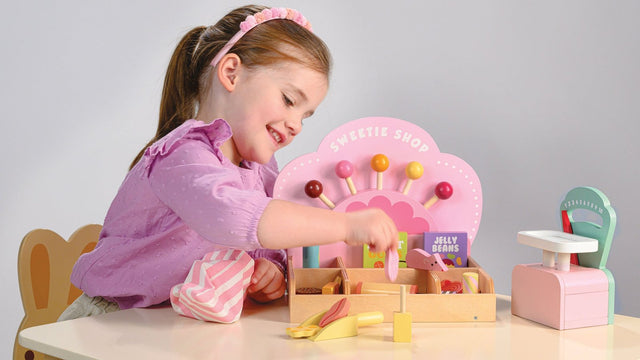
Pretend play — one of the most cognitively sophisticated human behaviors — begins to emerge at eleven months. Your baby may pretend to drink from an empty cup, hold a toy phone to their ear and "talk," or try to feed a doll or stuffed animal. Encourage pretend play by providing simple props — activity toys that mimic real-world objects (play kitchens, toy phones, baby dolls) feed your baby's growing imagination.
Reading together becomes an even richer experience at eleven months. Your baby points at pictures, names familiar objects (or tries to), and has clear favorites they want to read over and over. Books with lift-the-flap, touch-and-feel, and simple stories build vocabulary while teaching your baby that books are a source of pleasure.
Social development at eleven months is rich and complex. Your baby shows clear empathy, uses social referencing constantly, and participates in increasingly complex interactive games. They're also testing limits more deliberately — doing something you've said "no" to while watching your face for your reaction. This isn't defiance; it's research.
Feeding at eleven months is nearly indistinguishable from family meals. Your baby eats most of what you eat (cut into appropriate sizes), uses utensils with growing accuracy, and may be transitioning from a bottle to a cup. Continue offering a variety of foods — even when your baby rejects something, repeated exposure (without pressure) is the most effective way to develop adventurous eating habits.
As you approach your baby's first birthday, you may notice their temperament has become clearly defined. Some babies are naturally cautious; others are bold. Some are easy-going; others are intense. Understanding and accepting your baby's temperament — rather than trying to change it — is one of the most important things you can do as a parent.
Frequently Asked Questions
What should a 11-month-old baby be doing?
Every baby develops at their own pace, but common 11-month-old milestones include physical skills (like reaching, rolling, or sitting depending on age), social engagement (smiling, cooing, babbling), and cognitive development (tracking objects, exploring with hands). See the milestone chart above for specifics. Talk to your pediatrician if you have concerns about any area of development.
How much should a 11-month-old baby eat?
Feeding needs vary by age. In the first 6 months, babies need breast milk or formula exclusively — about 24–32 ounces per day of formula, or nursing on demand. After 6 months, solid foods gradually supplement milk feeds. Your pediatrician tracks growth at well-child visits to ensure adequate nutrition.
How much should a 11-month-old baby sleep?
Sleep needs change throughout the first year. Newborns sleep 14–17 hours, while older babies need 12–14 hours including naps. Check our sleep-by-age guide for the specific recommendations for your baby's age. Consistent routines and age-appropriate wake windows help optimize sleep.
When should I worry about my 11-month-old baby's development?
Talk to your pediatrician if your baby isn't meeting milestones by the outer range of normal, loses skills they previously had, or shows signs that concern you. Early intervention (available free through your state) is most effective when started early. Trust your instincts — you know your baby best.
Keep reading
 MilestonesYour 12-Month-Old Baby: Milestones & Development (2026)
 MilestonesYour 10-Month-Old Baby: Milestones & Development (2026)
 MilestonesYour 9-Month-Old Baby: Milestones & Development (2026)
 MilestonesYour 8-Month-Old Baby: Milestones & Development (2026)
 MilestonesYour 7-Month-Old Baby: Milestones & Development (2026)
 MilestonesYour 6-Month-Old Baby: Milestones & Development (2026)
 MilestonesYour 5-Month-Old Baby: Milestones & Development (2026)
 MilestonesYour 4-Month-Old Baby: Milestones & Development (2026)
 MilestonesYour 3-Month-Old Baby: Milestones & Development (2026)
 MilestonesYour 2-Month-Old Baby: Milestones & Development (2026)
 MilestonesYour 1-Month-Old Baby: Milestones & Development (2026)
 MilestonesPotty Training Method Matcher: Which Approach Fits Your Family?
 MilestonesImportance of Pretend Play for Kids 2026
 MilestonesYour 18-Month-Old Toddler: Milestones & Development (2026)