
Toddler Backpacks
Mini backpacks sized for toddlers and preschoolers — Kane Minis, ZOOCCHINI animal packs, Little Unicorn and Mebie Baby, from $7.95.


Kane Mini Backpack
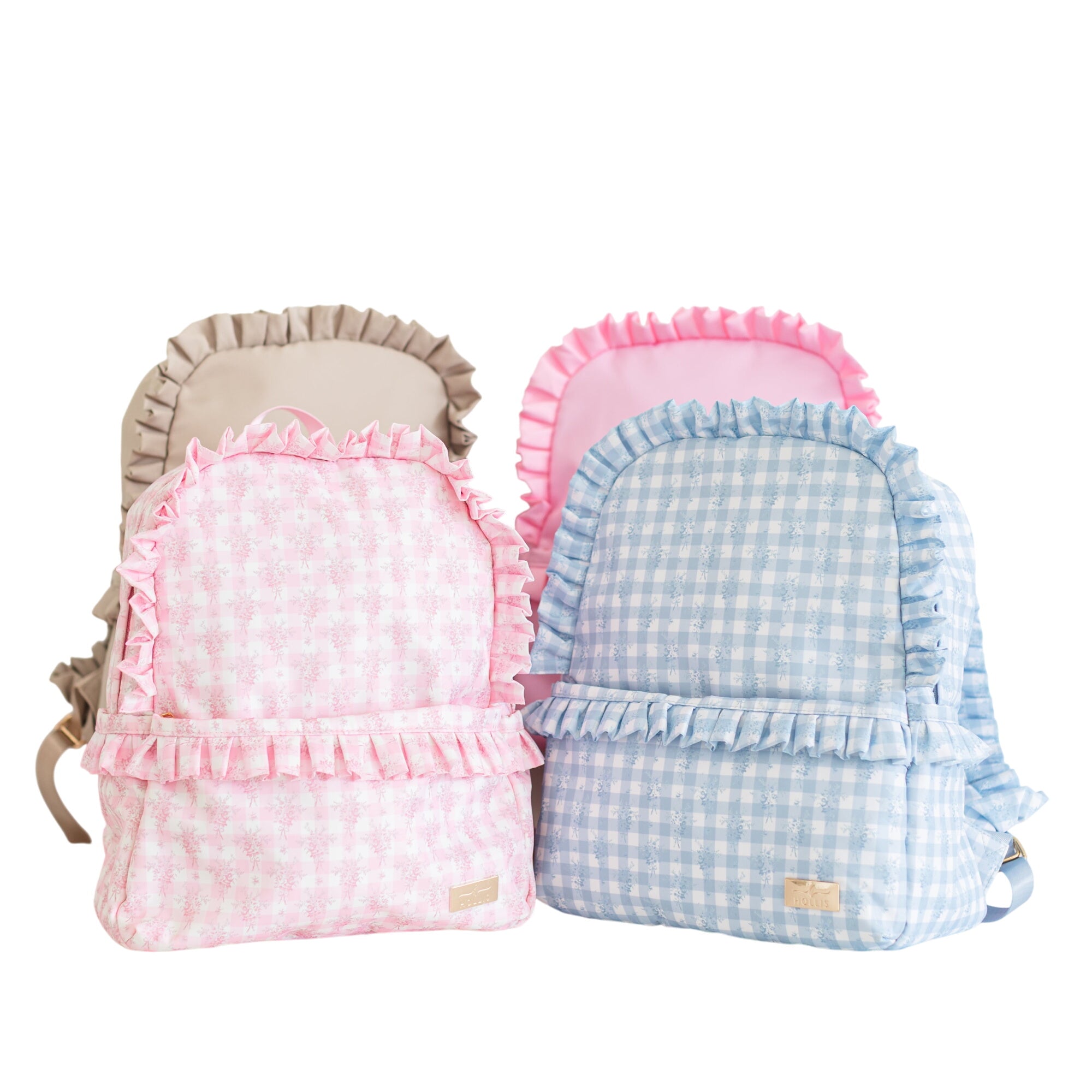
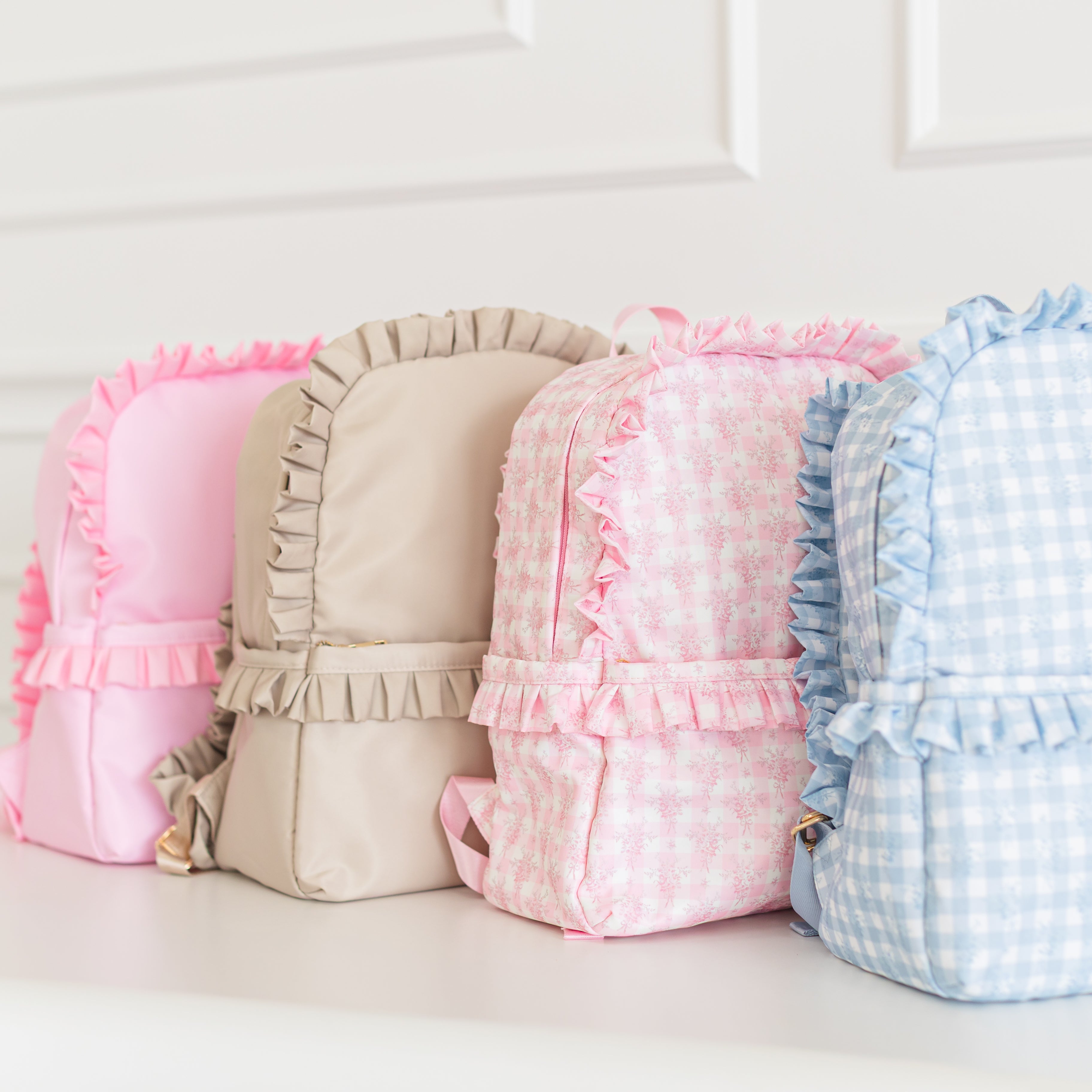
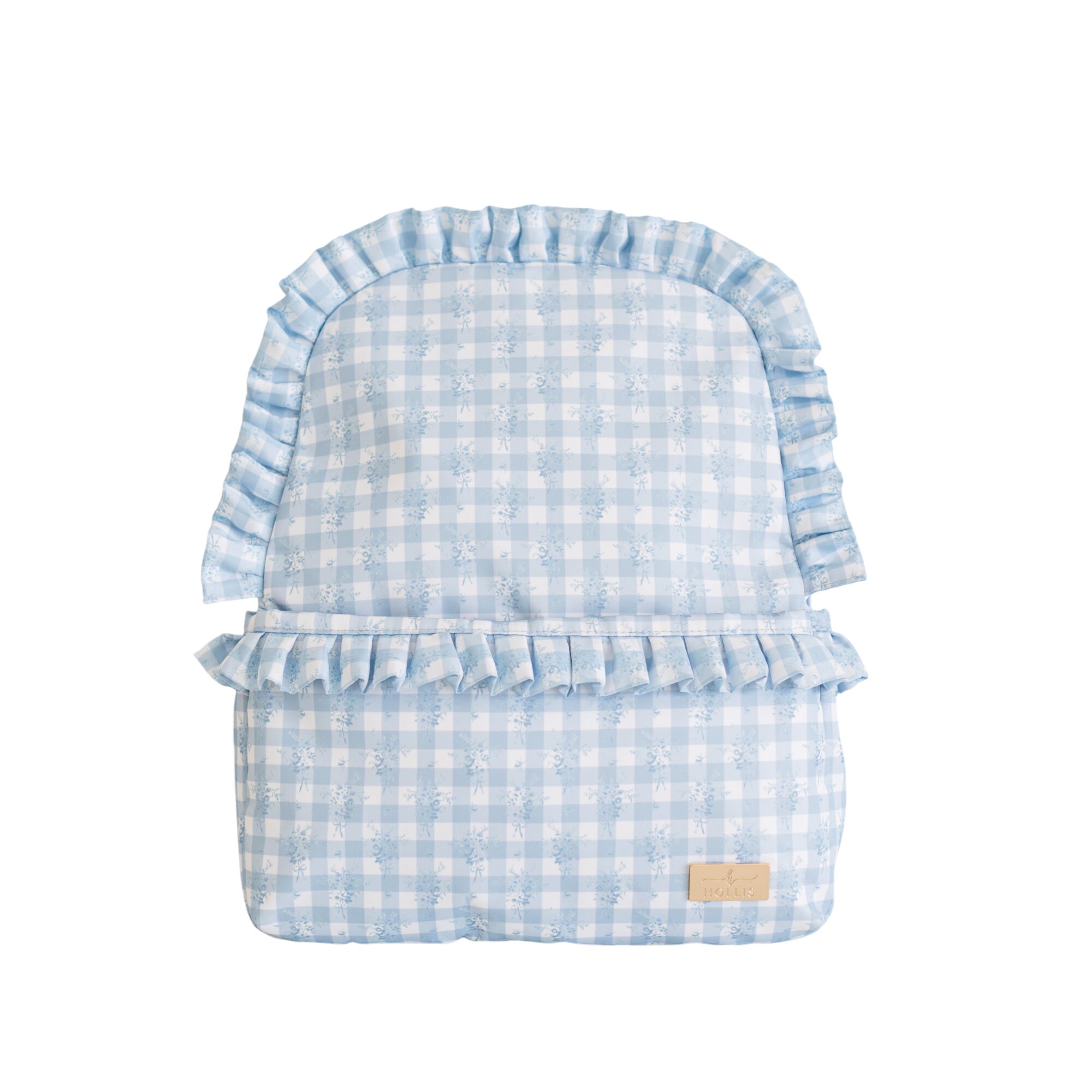
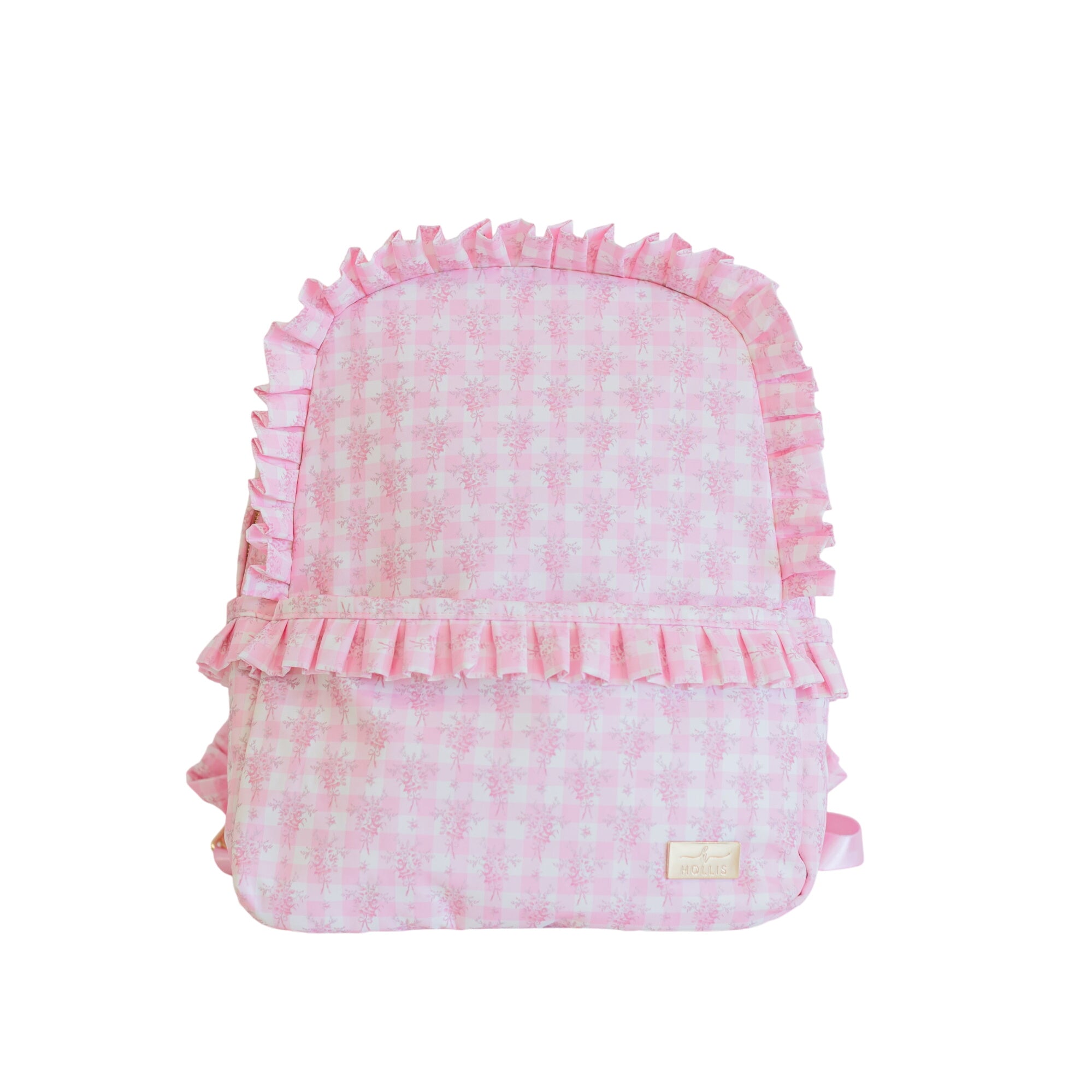
Ruffled Nylon Backpack


Sunset Stripes Mini Backpack
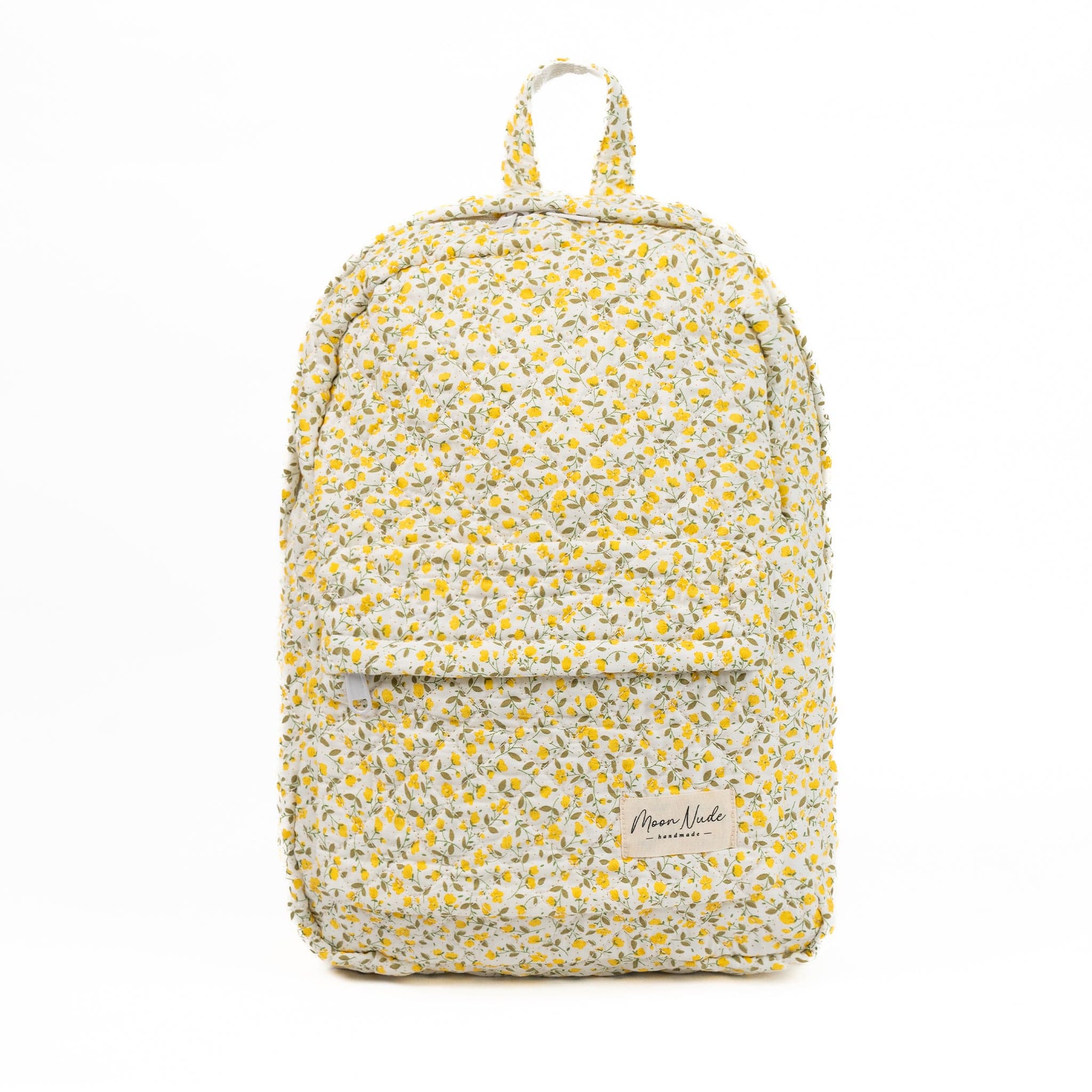
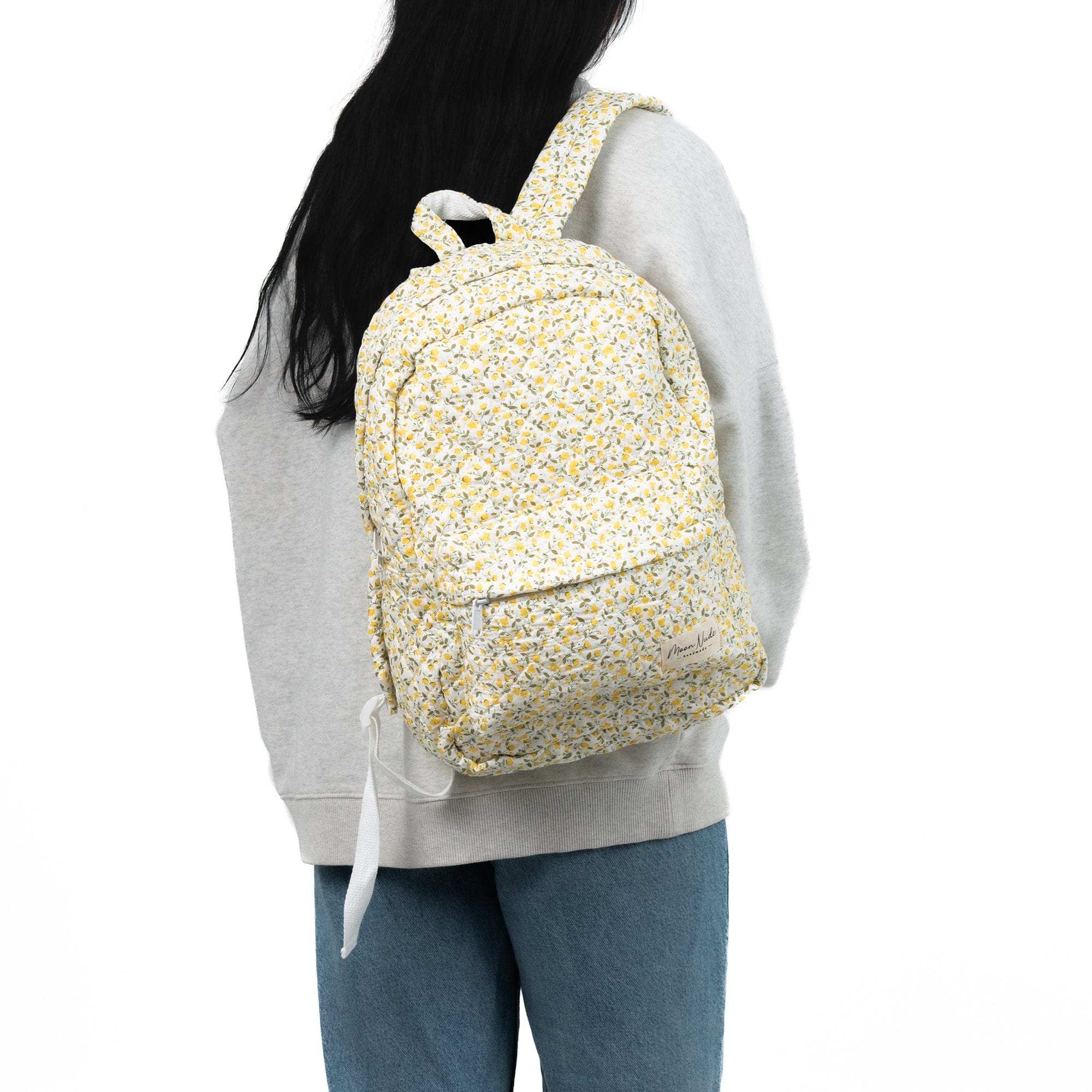
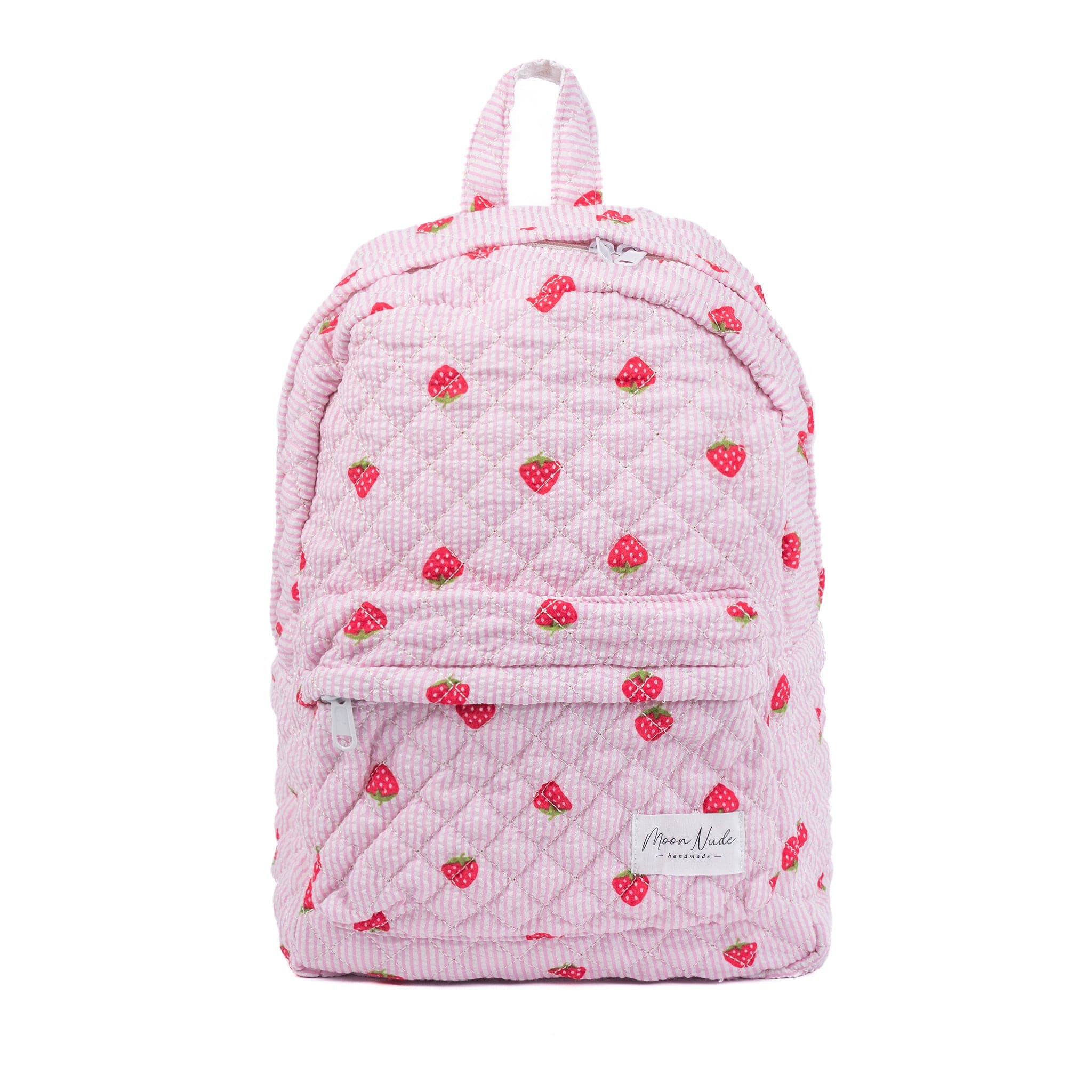
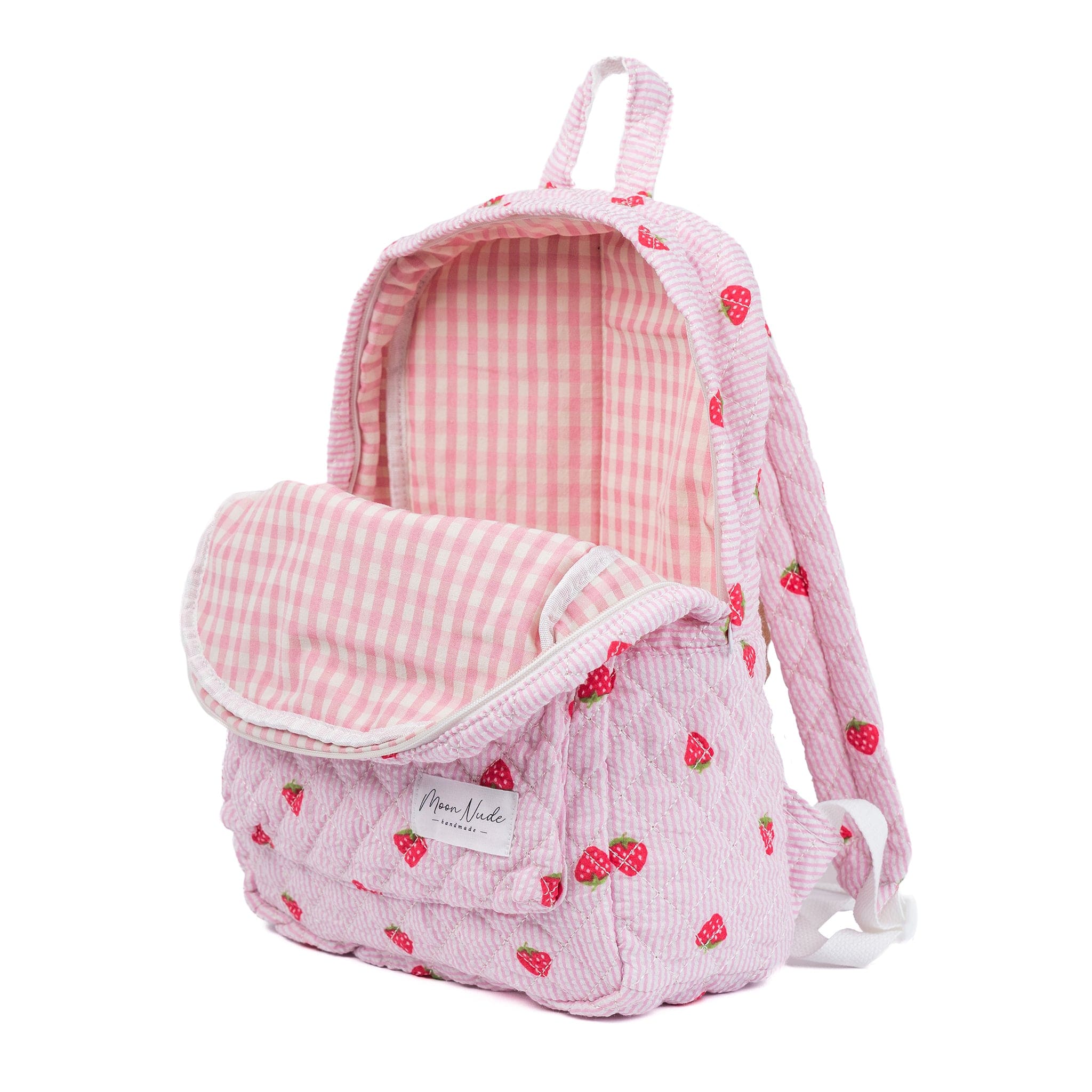


Green Daisy Mini Backpack


Mustard Floral Mini Backpack


Little Starter Backpack Surf Lime


Little Starter Mini Backpack Red Classic
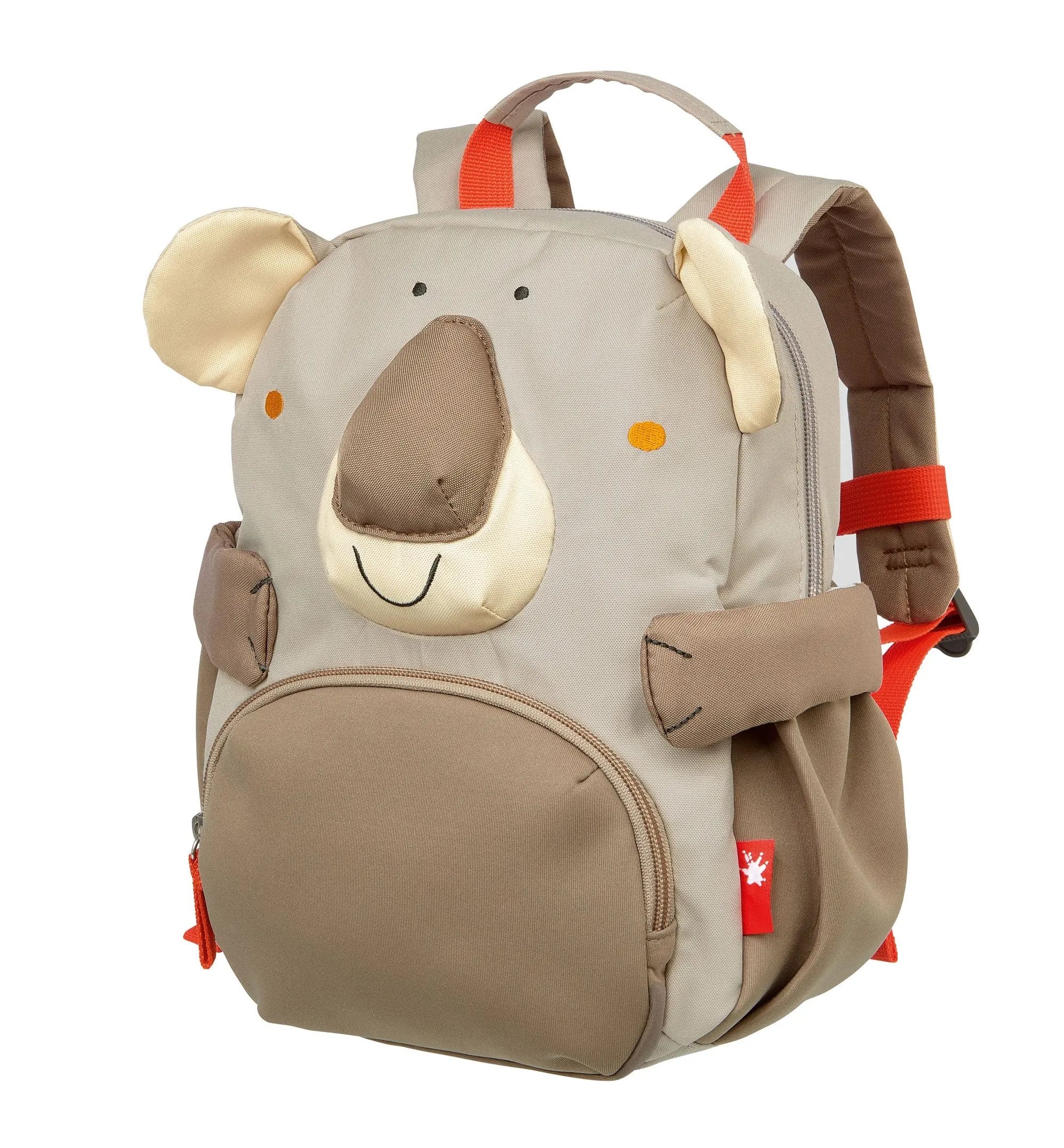
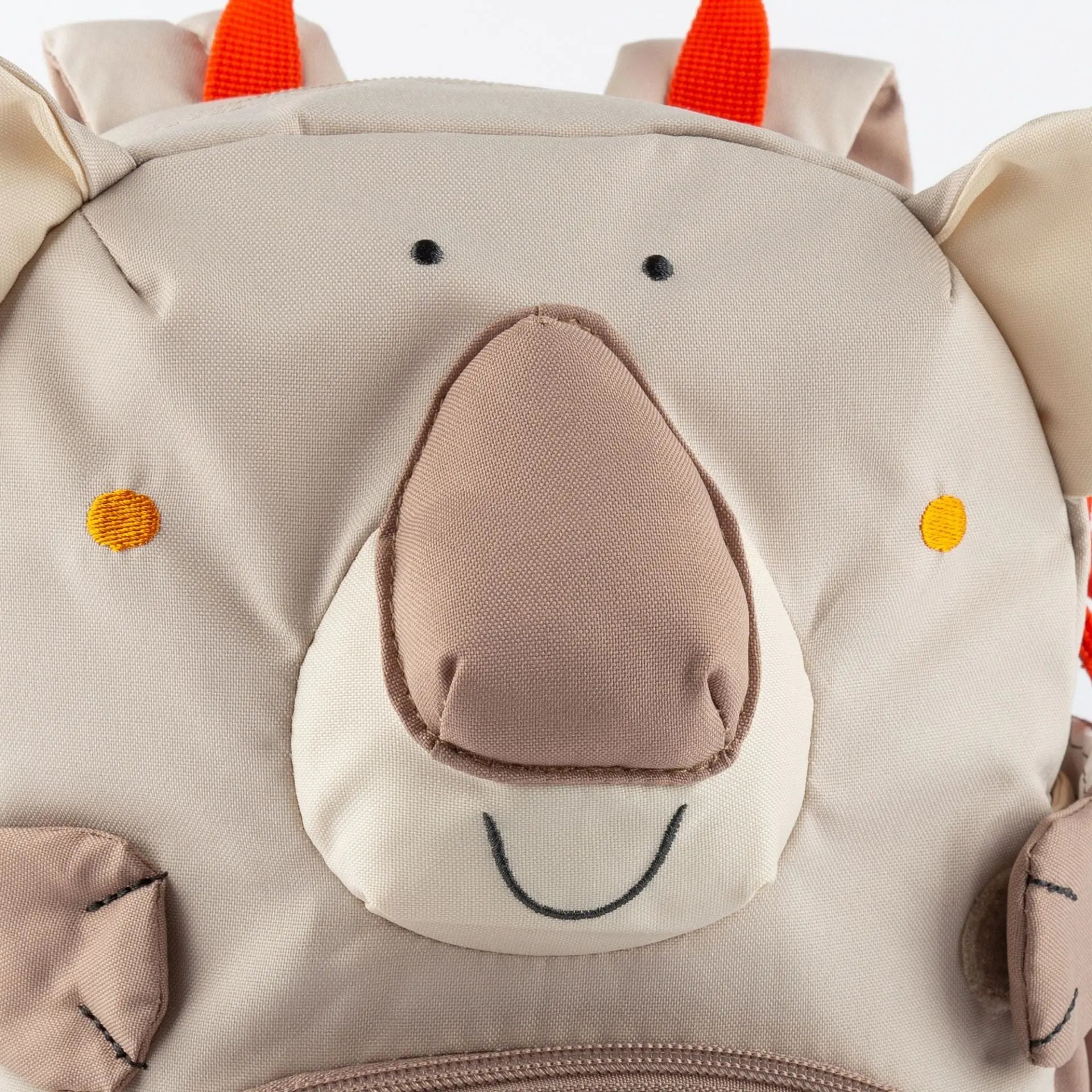


Kane Mini Backpack


Kane Mini Backpack


Nylon Backpack (toddler Size)


Starter Jr Backpack Faded Lavendar


Little Starter Backpack Bistro Green


Little Starter Backpack Peach Blush


Little Starter Backpack Blossom Pink
How to Choose a Toddler Backpack
A toddler backpack does real work: it rides to daycare with a change of clothes, carries the lovey through the airport, and gives a 2-year-old the deeply satisfying job of carrying their own things. The trick is finding one small enough to actually be carried by the person it belongs to — size and comfort first, prints second.
Size first: a mini backpack they can actually carry
True toddler packs are mini backpacks scaled to a 1-to-4-year-old torso. On their back, the bottom of the bag should sit at or above the waist, the straps should stay put on narrow shoulders, and the whole thing should feel close to weightless when empty — a toddler will abandon a heavy bag three steps into the parking lot. A soft mini like the Mebie Baby navy plaid mini backpack suits the youngest carriers, while the Little Starter backpack in bistro green is cut for the toddler years proper. If you are weighing sizes against each other, the Moon Nude backpack review walks through what each size actually fits.
Packing for daycare and preschool
A daycare day asks a backpack to hold a full change of clothes, a comfort item, and lunch — so look for one wide, simple opening a 2-year-old can unzip alone, rather than a maze of compartments, plus an outside pocket that keeps the drink upright and away from dry clothes. An animal face like the ZOOCCHINI Devin the Dinosaur everyday backpack also earns its keep at pickup time, because a toddler can spot their own bag in a crowded cubby line. Label the bag inside and out — cubby shelves collect near-identical minis, and a name tag settles ownership disputes before they start. Finish the kit with a toddler lunch box and a toddler water bottle sized to that bottle pocket.
Material and style: from wipe-clean to heirloom
Match the fabric to the life it will lead. Coated nylon wipes clean after the inevitable yogurt-pouch incident; cotton and canvas feel softer and age gently; woven and recycled-fabric styles make the kind of first backpack that gets kept. The STATE Kane mini backpack has become the category's go-to for a reason, and the STATE Kane backpack review digs into how it holds up and whether it is worth it for school. Whatever the material, plan on spot-cleaning rather than machine washing anything with structure or straps, and run the zippers before you commit: a toddler backpack a toddler cannot open on their own is just a parent bag with shorter straps.
What size backpack does a toddler need?
Smaller than you think. A mini backpack for kids in the 1-to-4 range should cover the back without hanging past the waist, and it only needs to swallow a change of clothes, a snack, and a small comfort item — if it fits more, your toddler will fill it with rocks. A chest clip helps keep straps on small shoulders during the running-everywhere stage. Around preschool graduation, when folders and bigger lunches enter the picture, size up into the kids backpacks collection rather than buying a toddler bag with room to grow: an oversized pack tips small kids backward.
For picks matched to daycare, travel, and preschool, start with the Best Toddler Backpacks guide — and when the mini stage ends, the kids school backpack guide covers the next size up.