

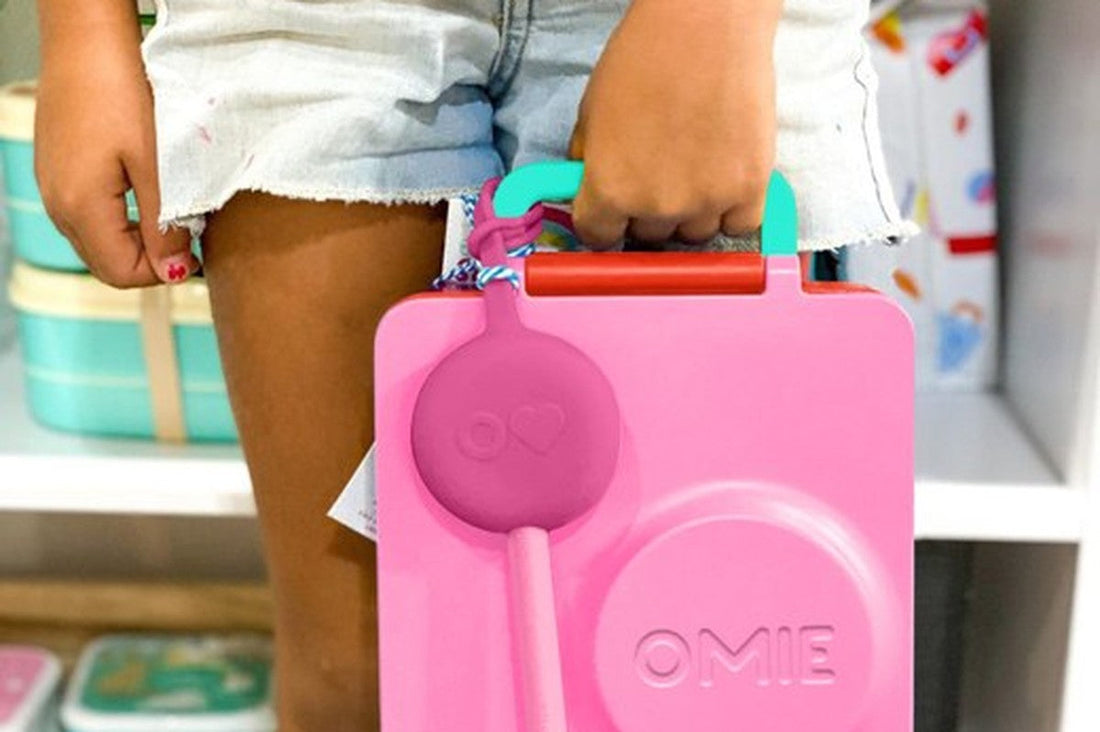
Lunch Boxes
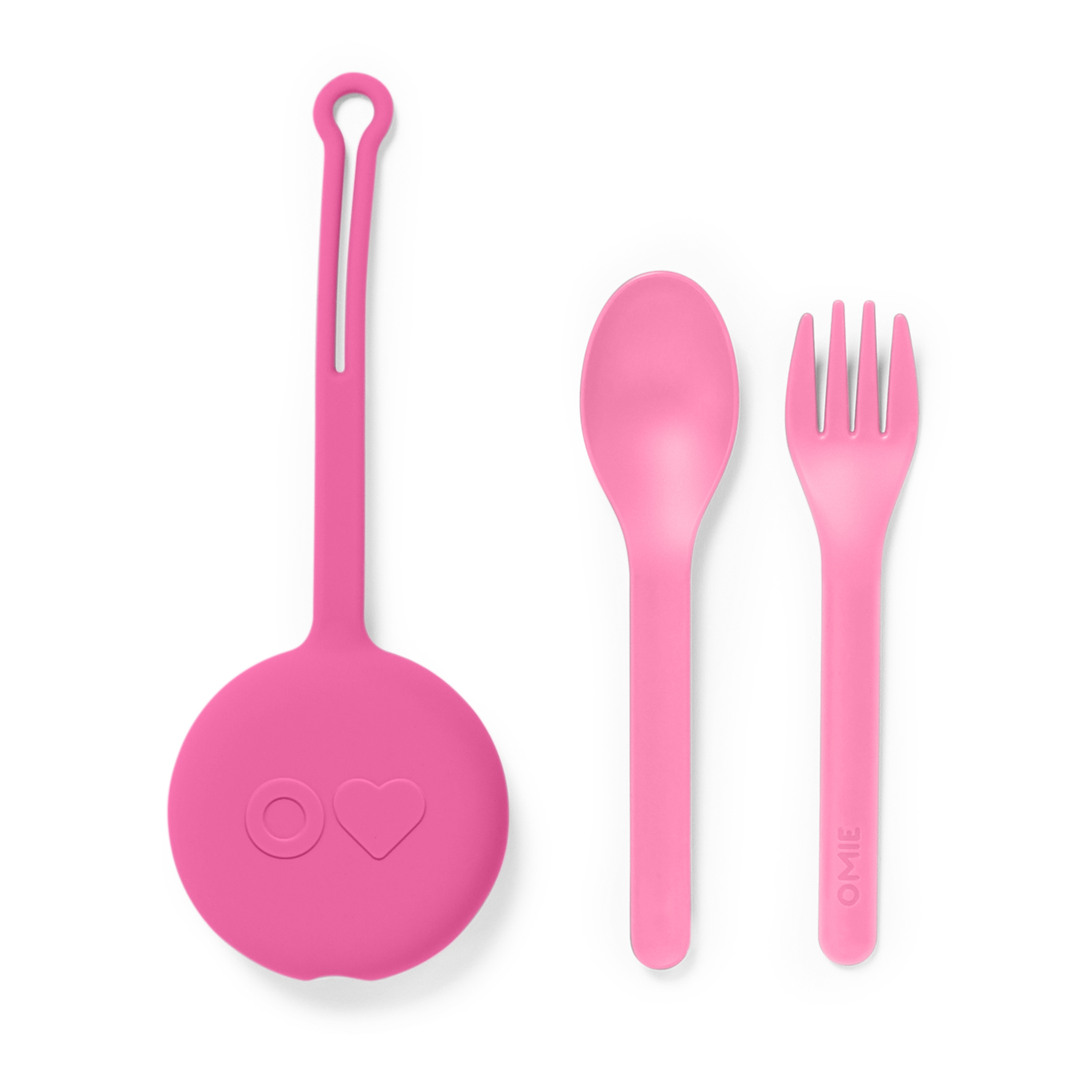
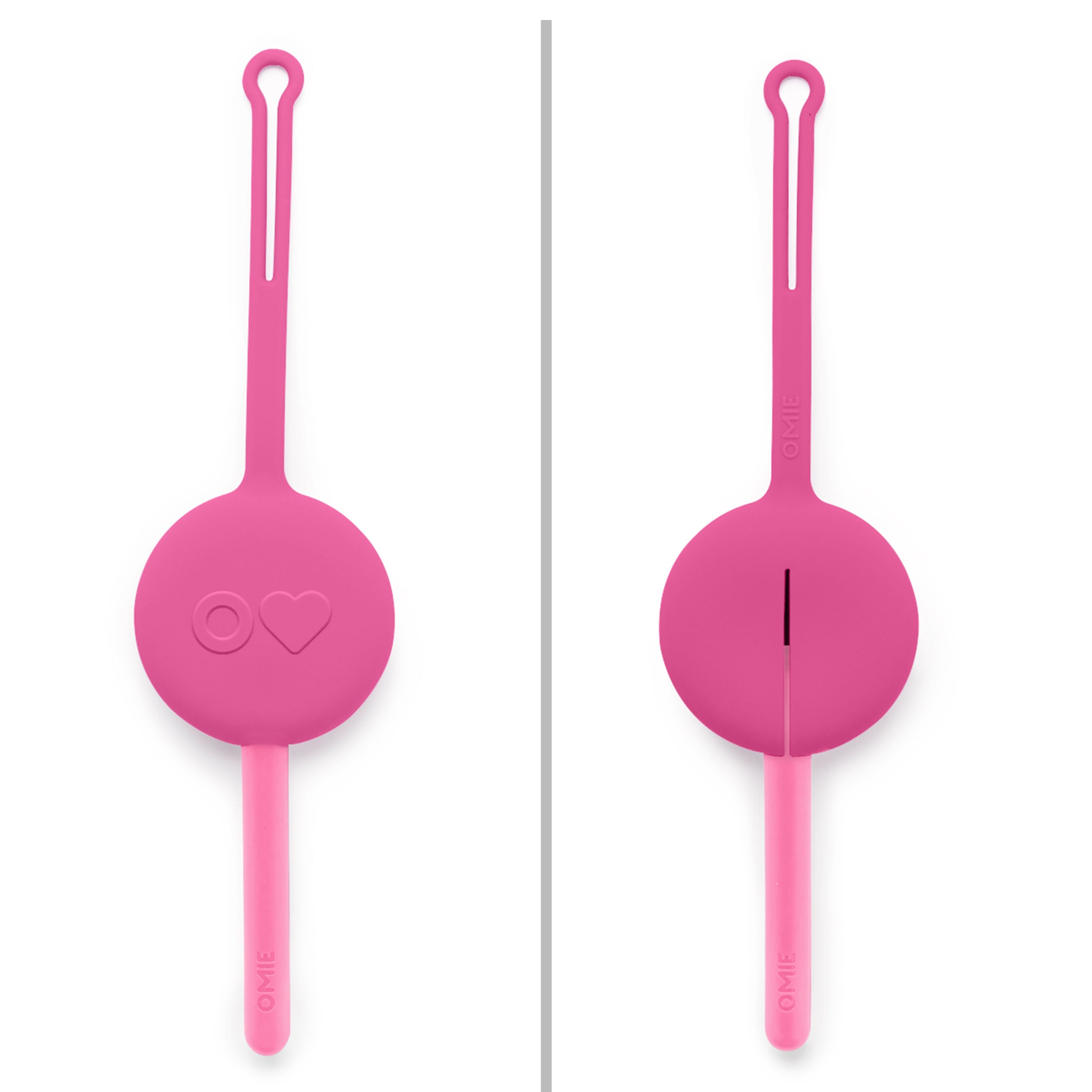
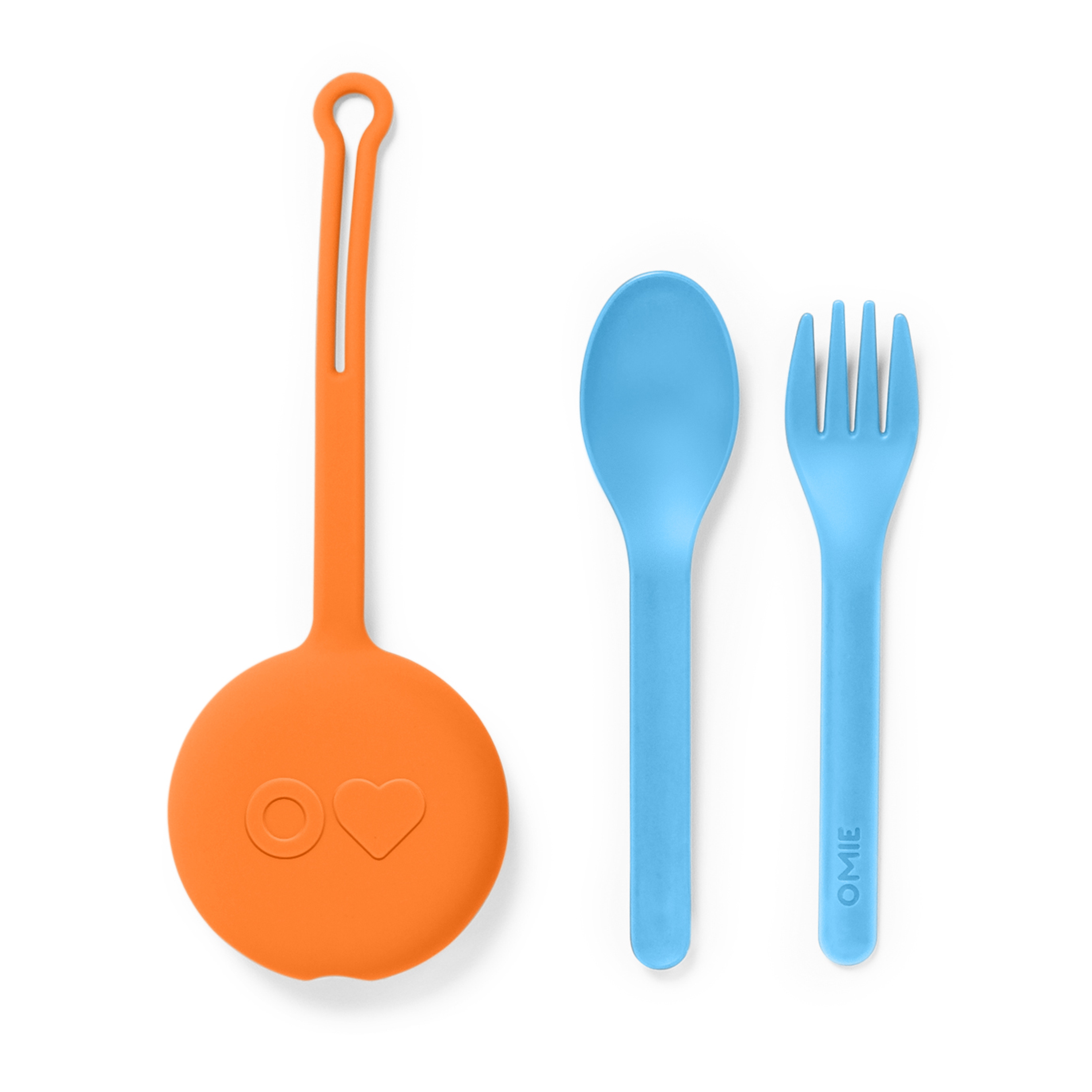
OmiePod


Woven Snack Container For Kids And Toddlers


Silicone Bento Box Wildflower Ripe Peach


Silicone Bento Box Solid Newport Blue


Snack Tote: French-inspired Luxury Holder For Chic Kids


Silicone Bento Box Camper Sage Green


Silicone Bento Box Wildflower Chambray Blue


Silicone Bento Box Safari Warm Cream
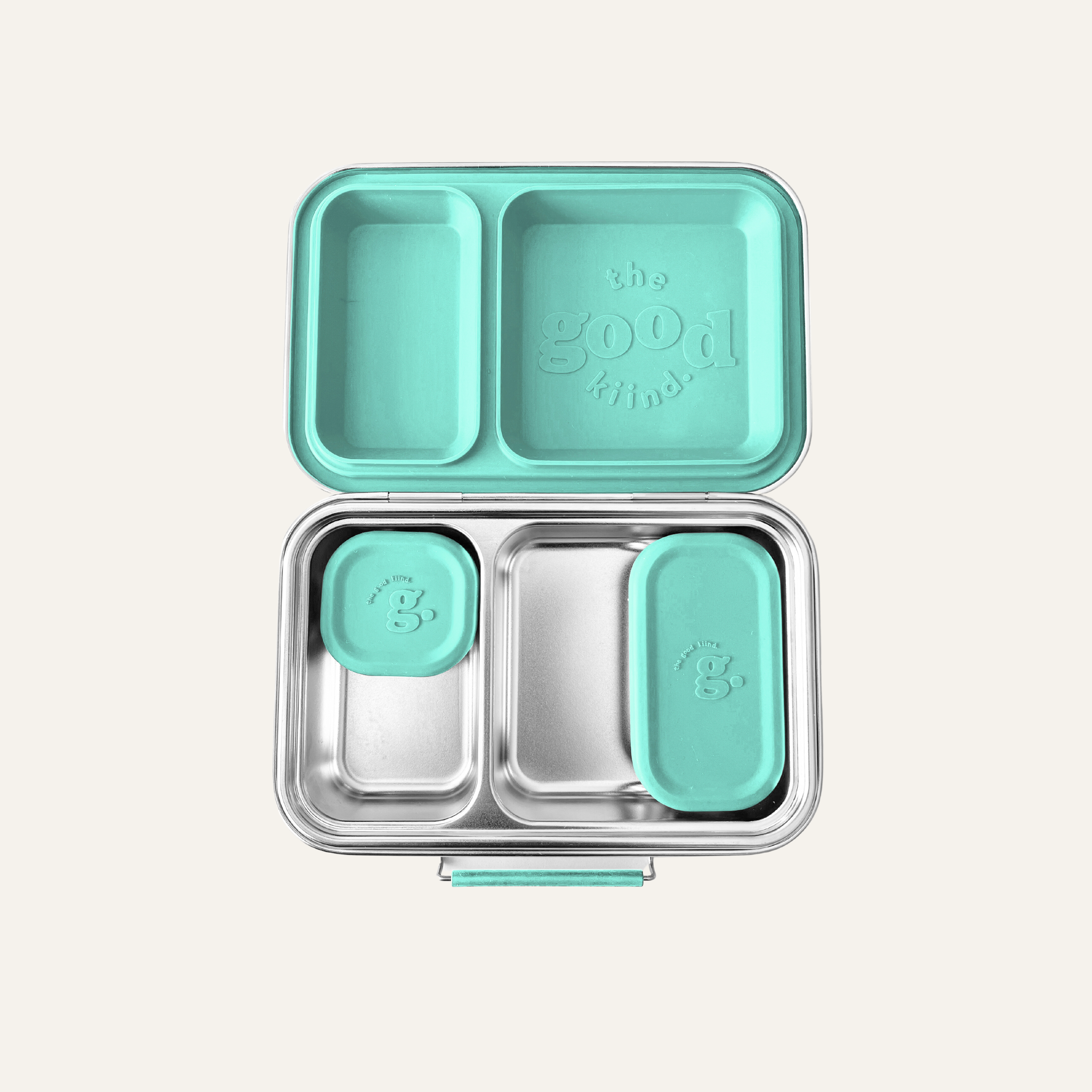
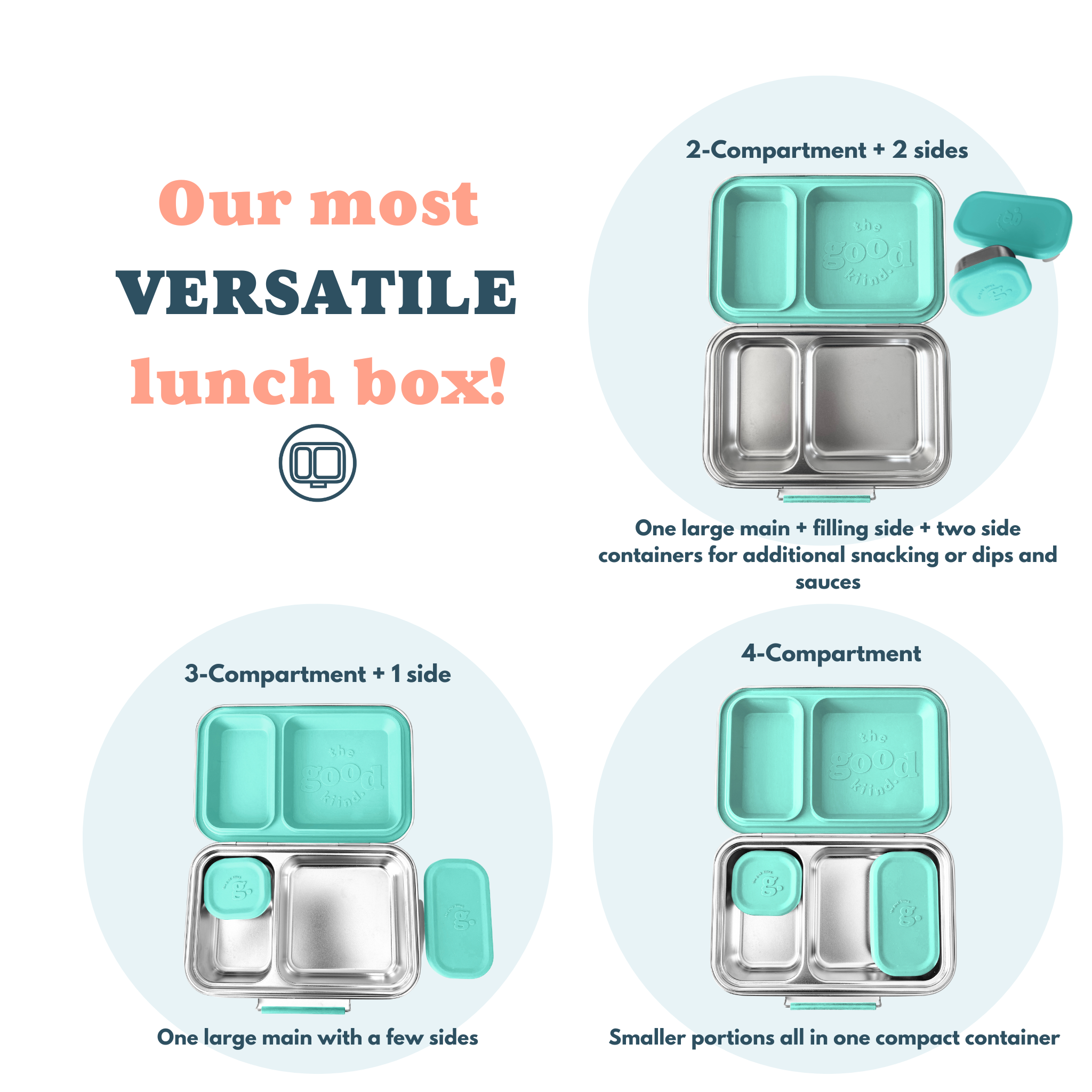
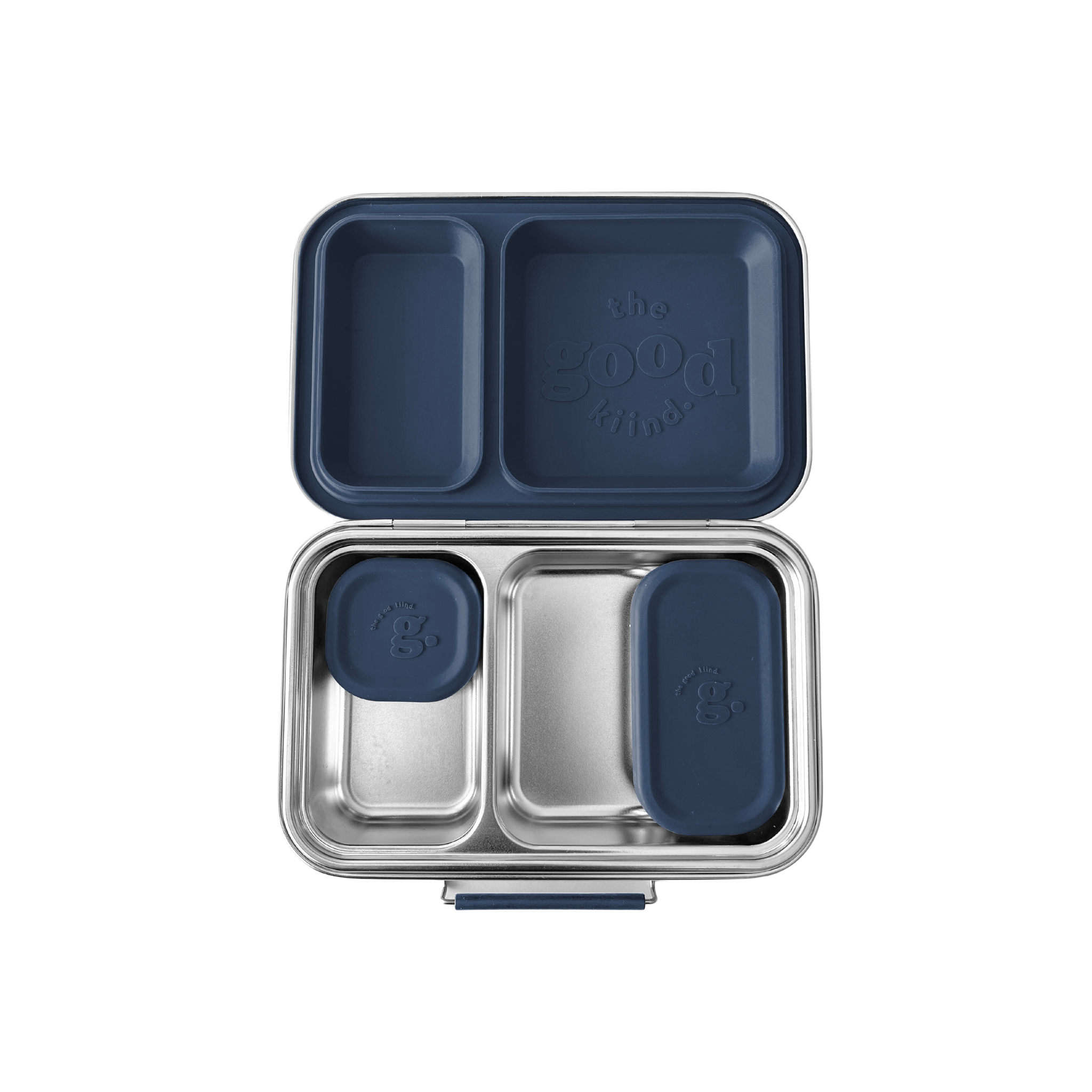
The Snacker™
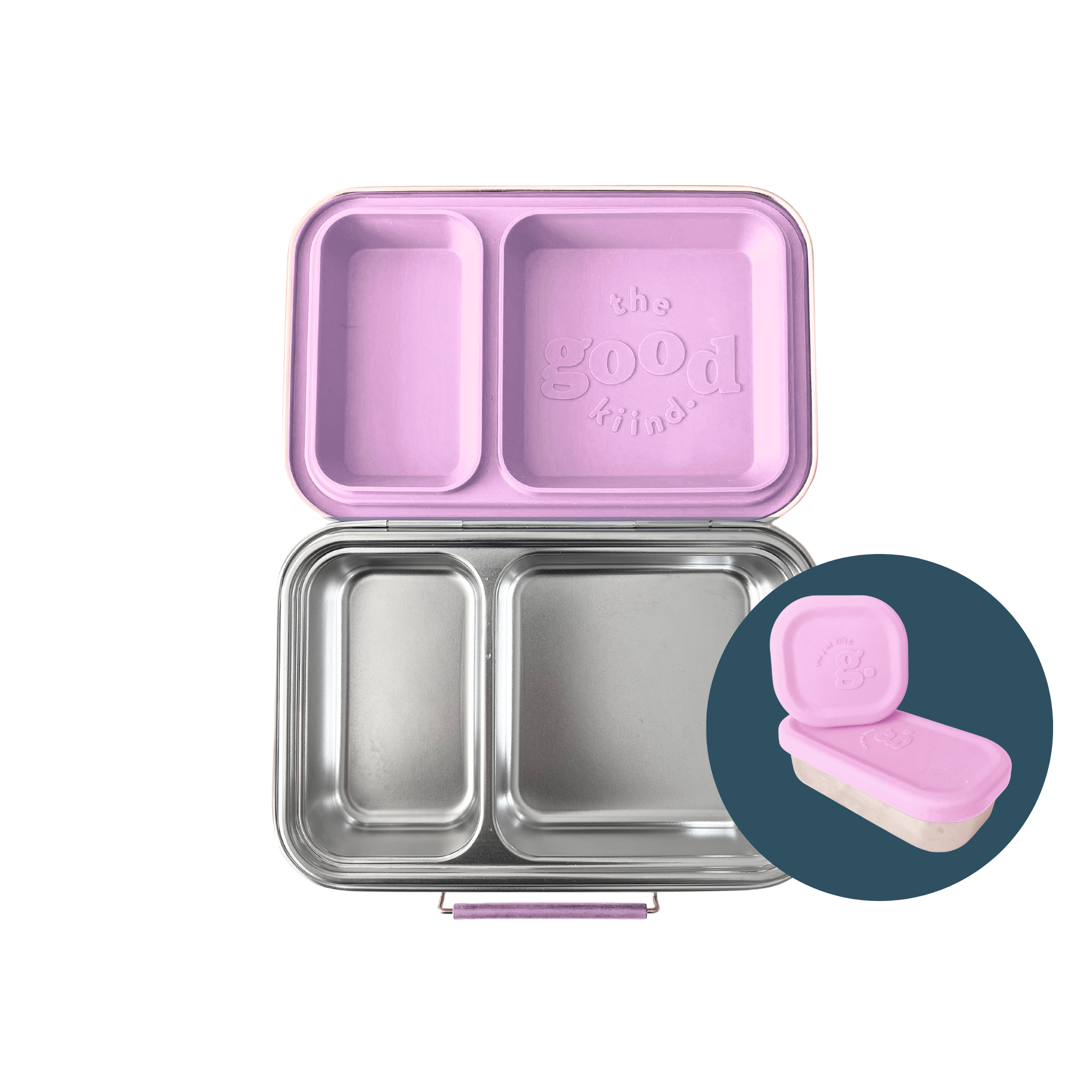
Apple Park & Organic Farm Buddies
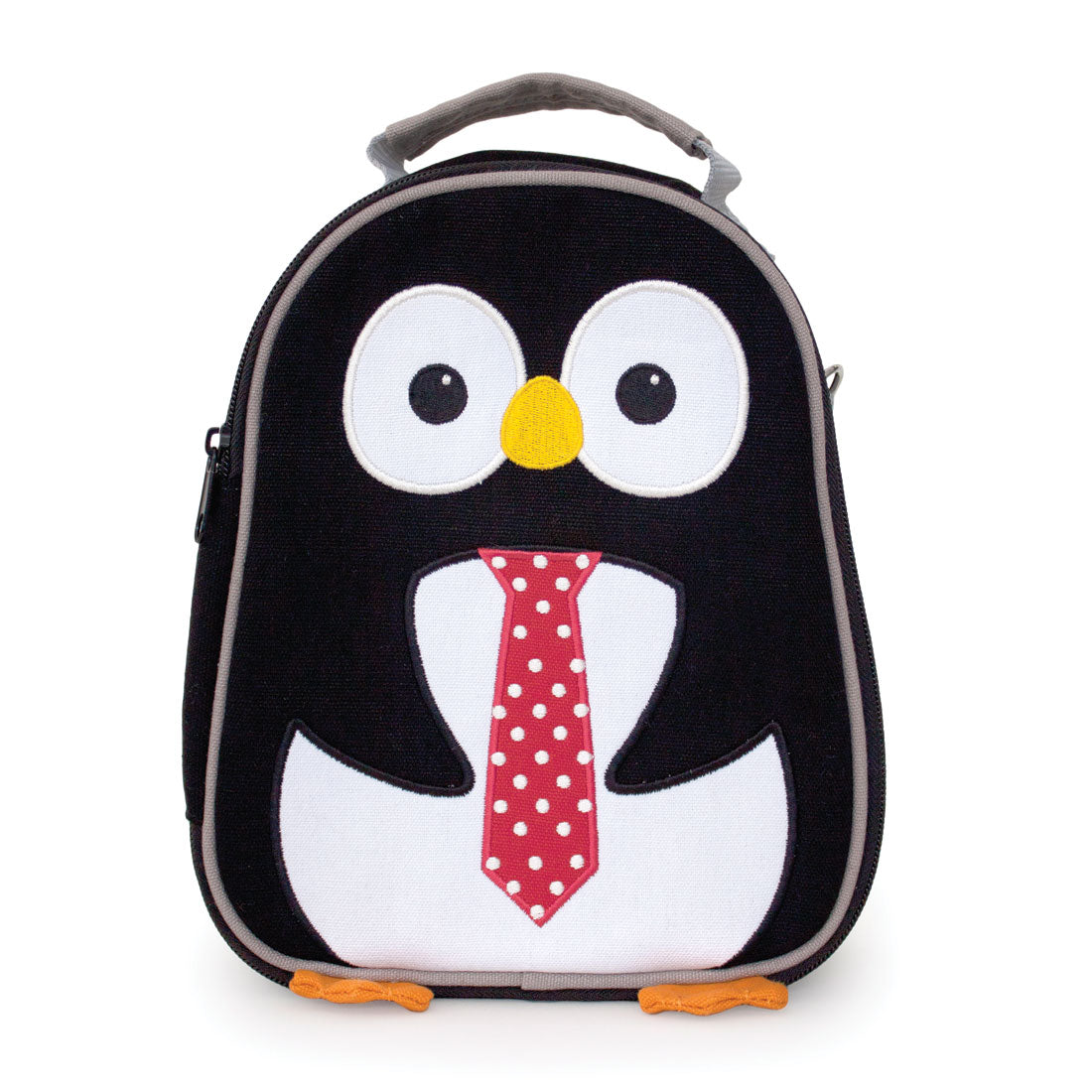
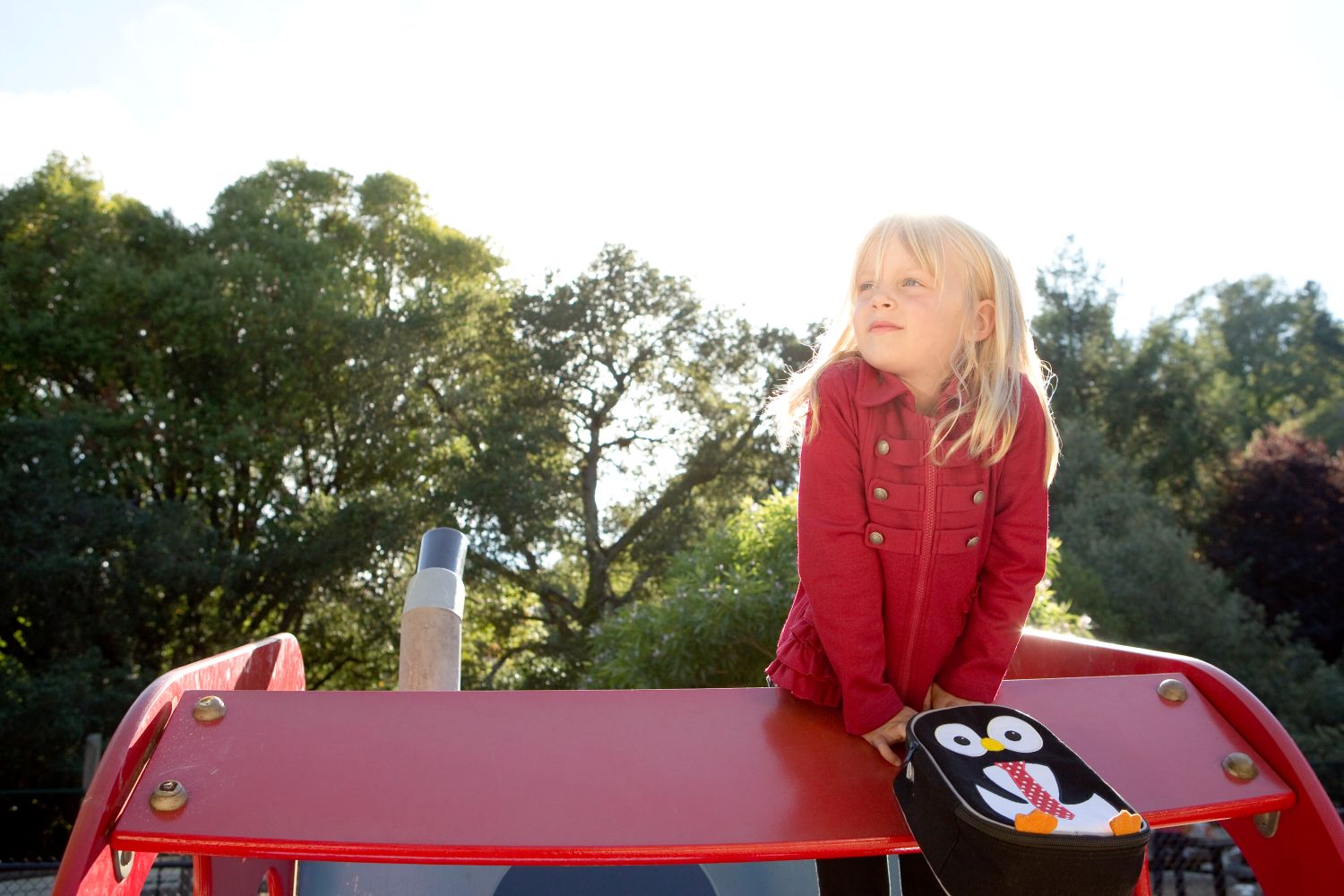
Recycled Fabric Lunch Pack - Penguin


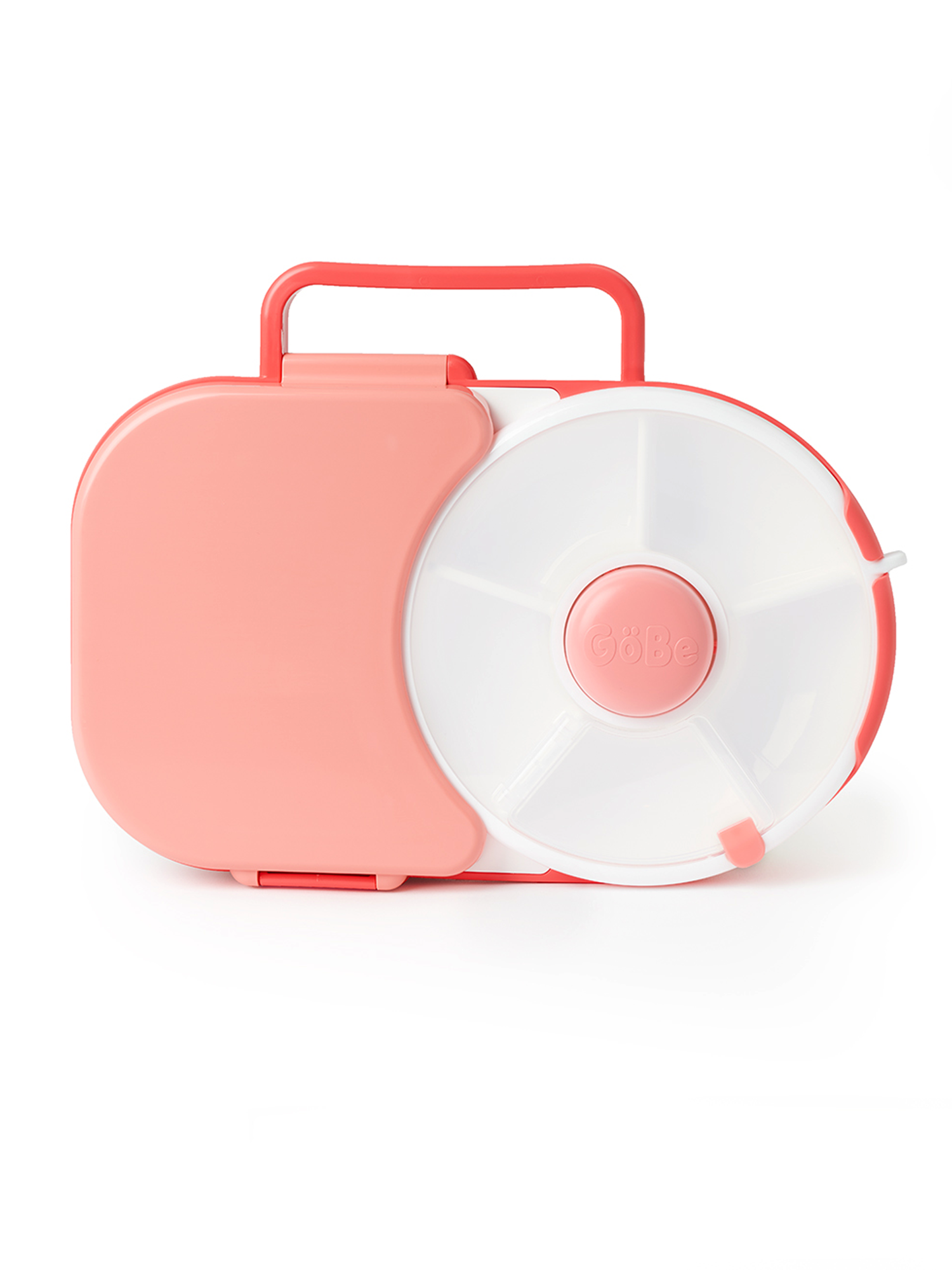
Gobe Lunchbox
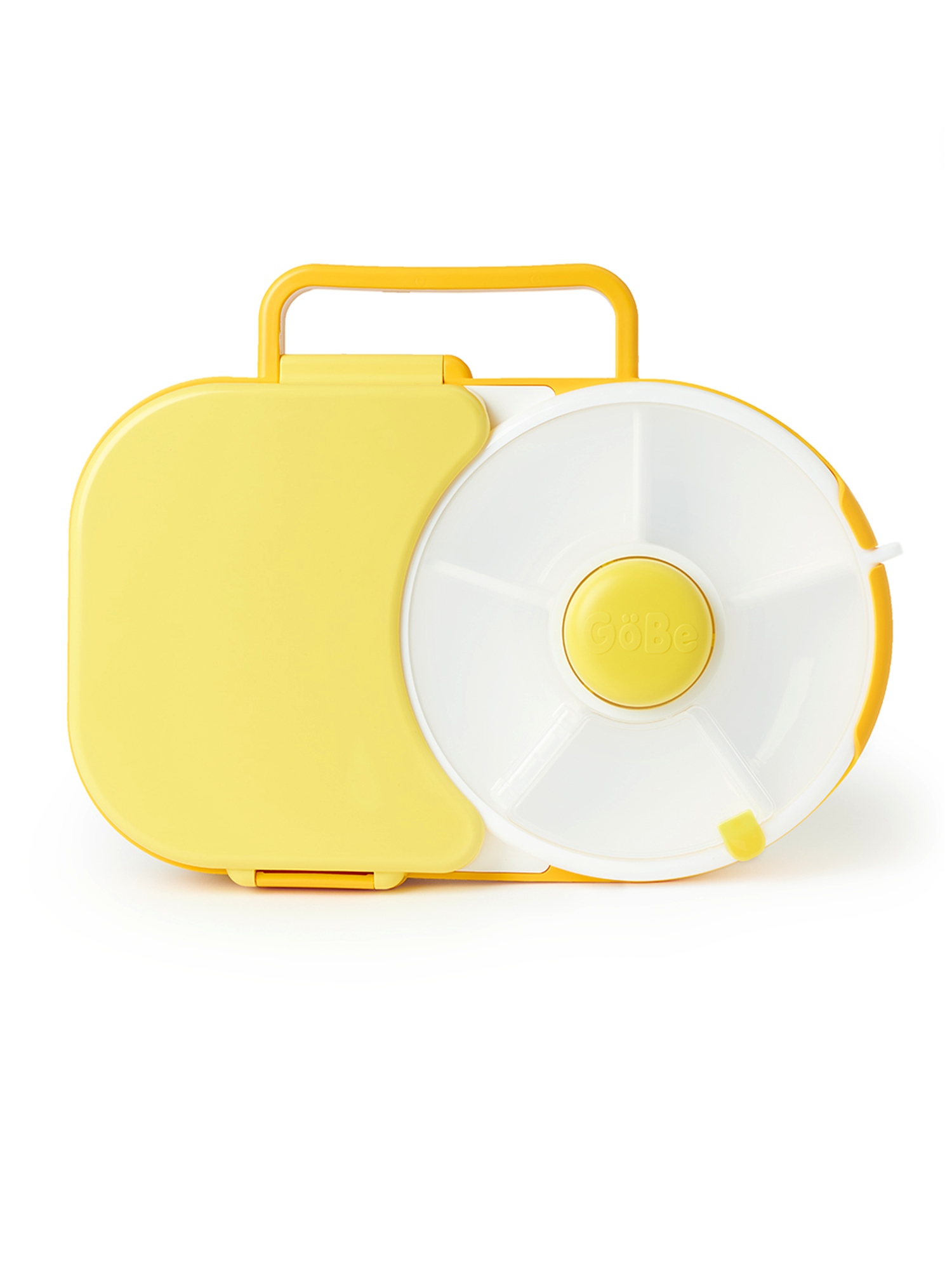
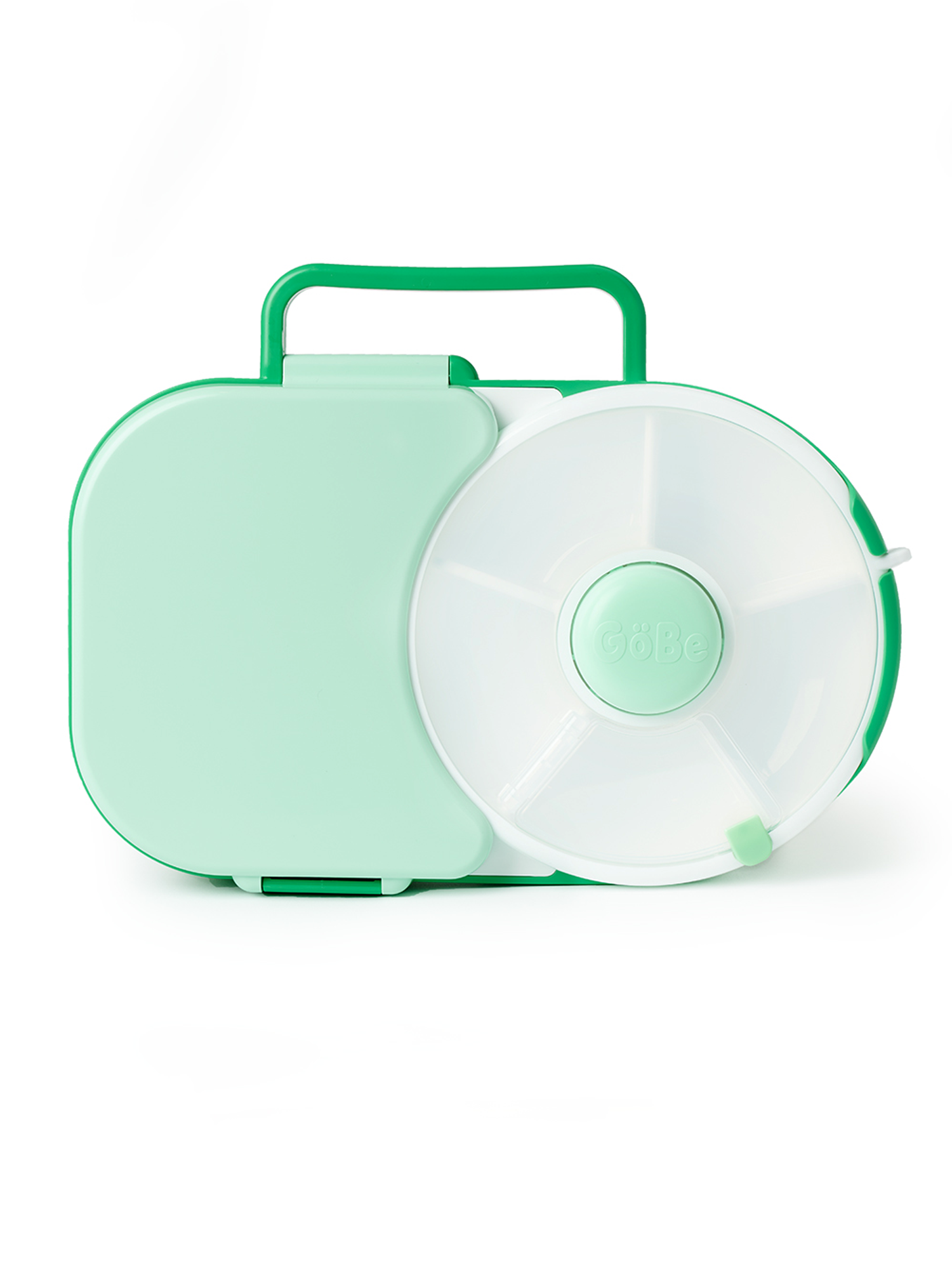


Silicone Bento Box Solid Sage Green
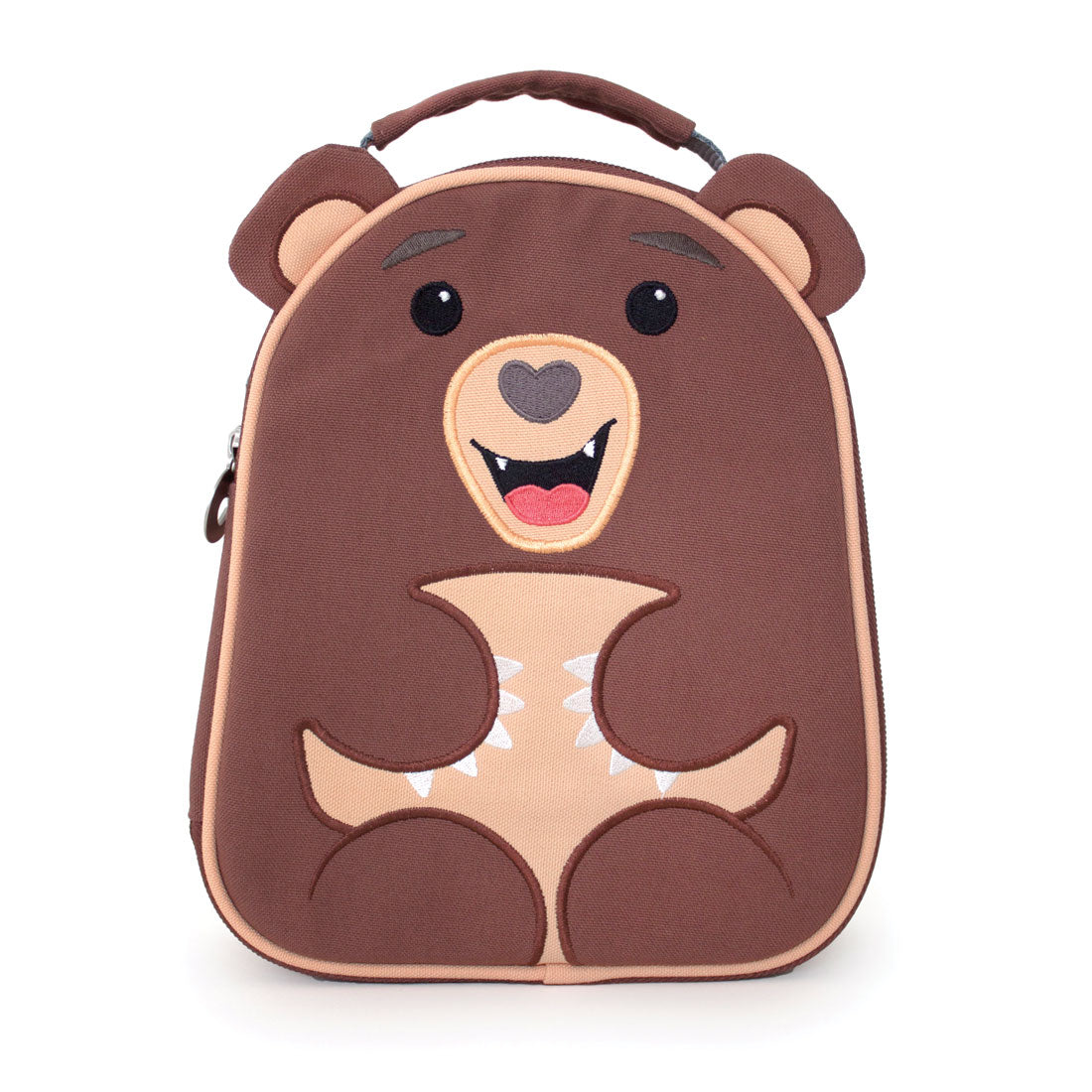
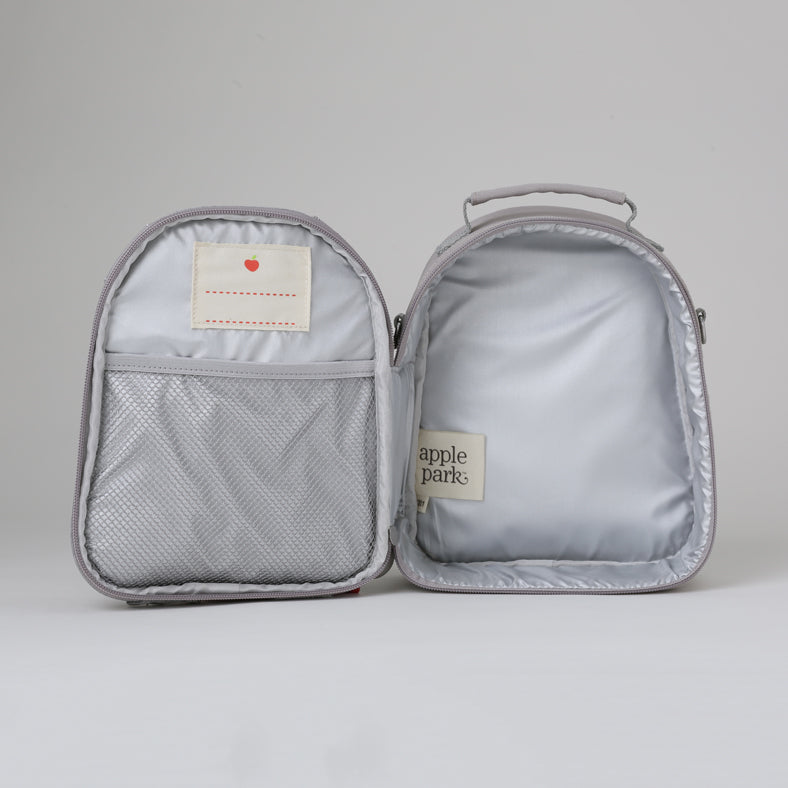
Apple Park & Organic Farm Buddies
Recycled Fabric Lunch Pack - Cubby
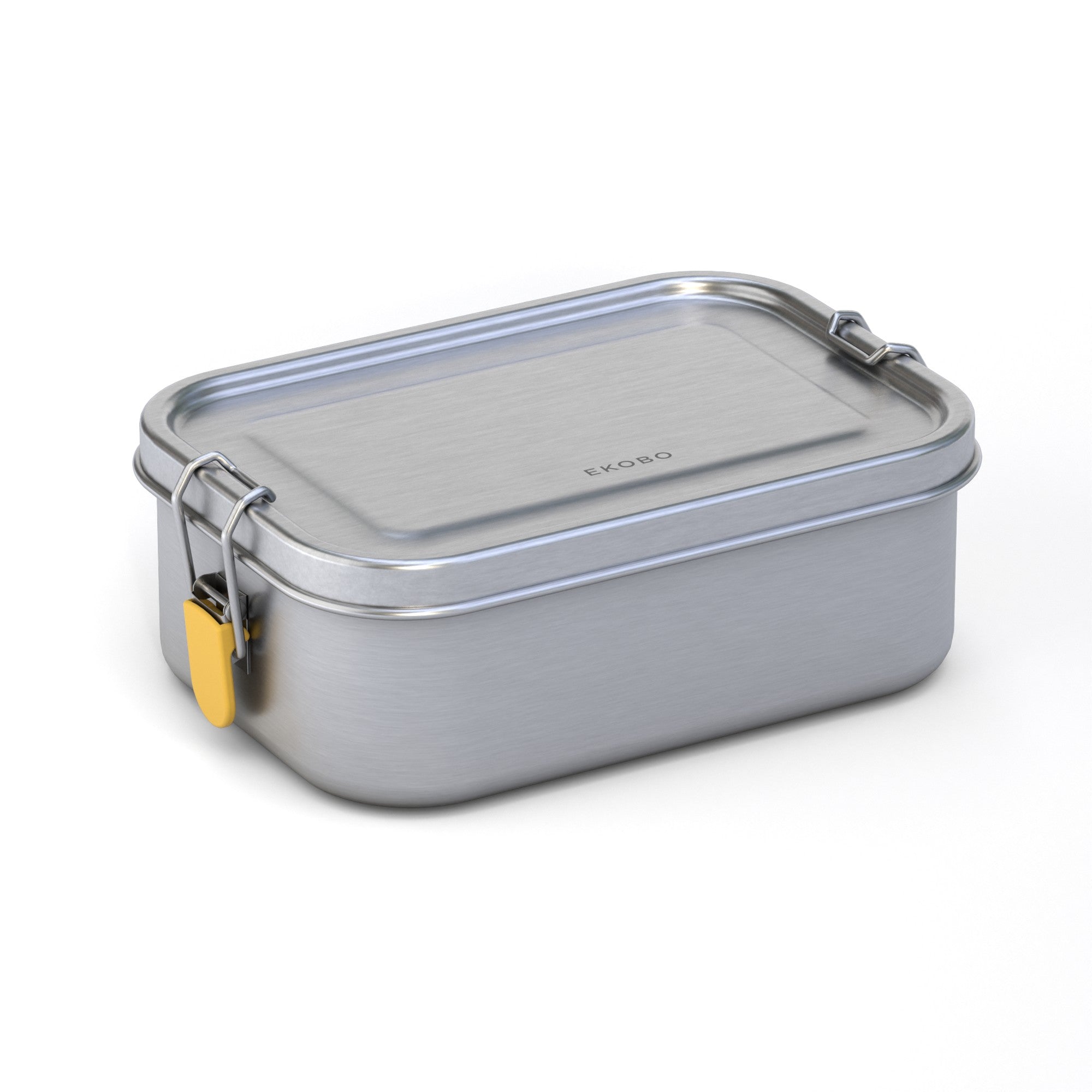
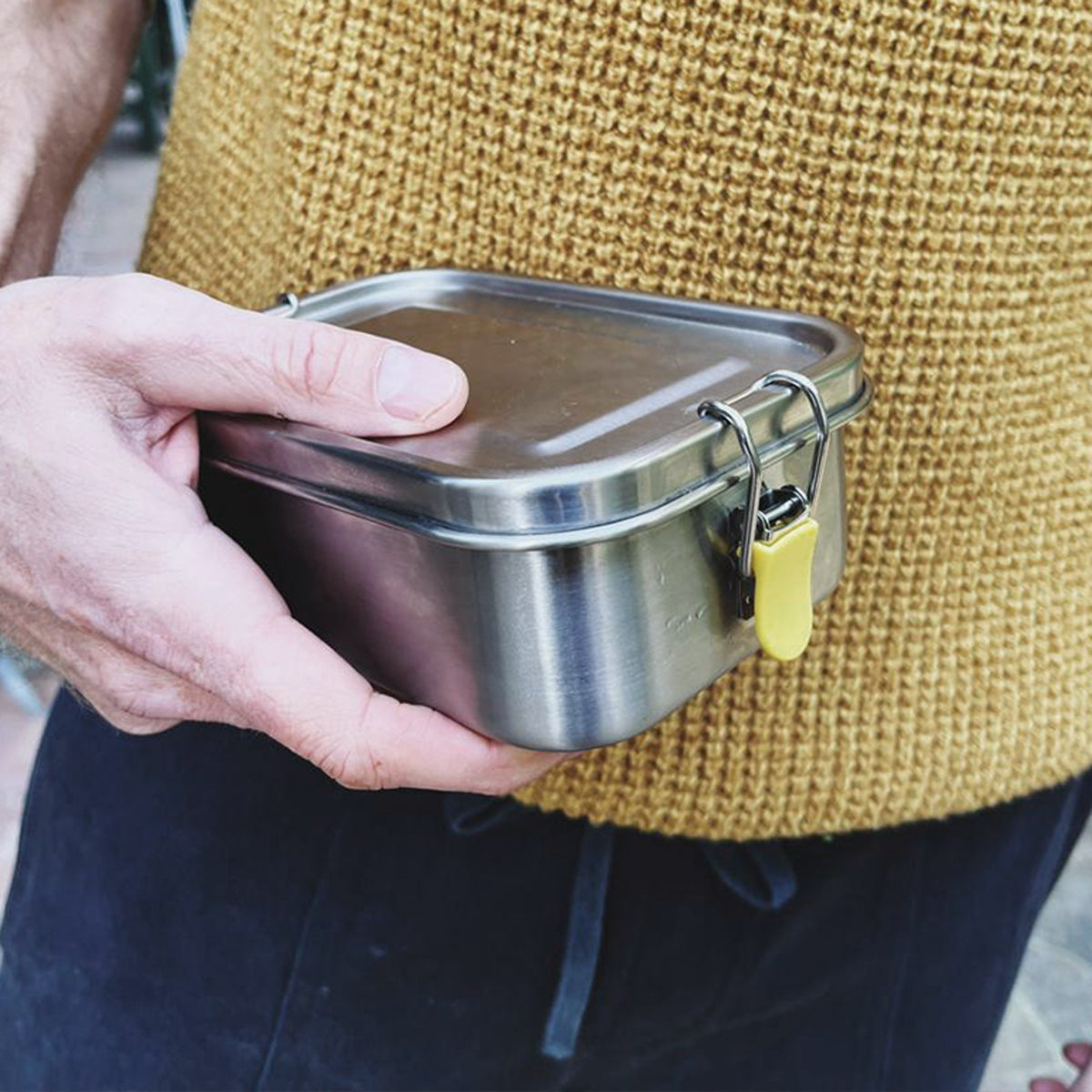
Stainless Steel Lunch Box With Heat Safe Insert - Lemon
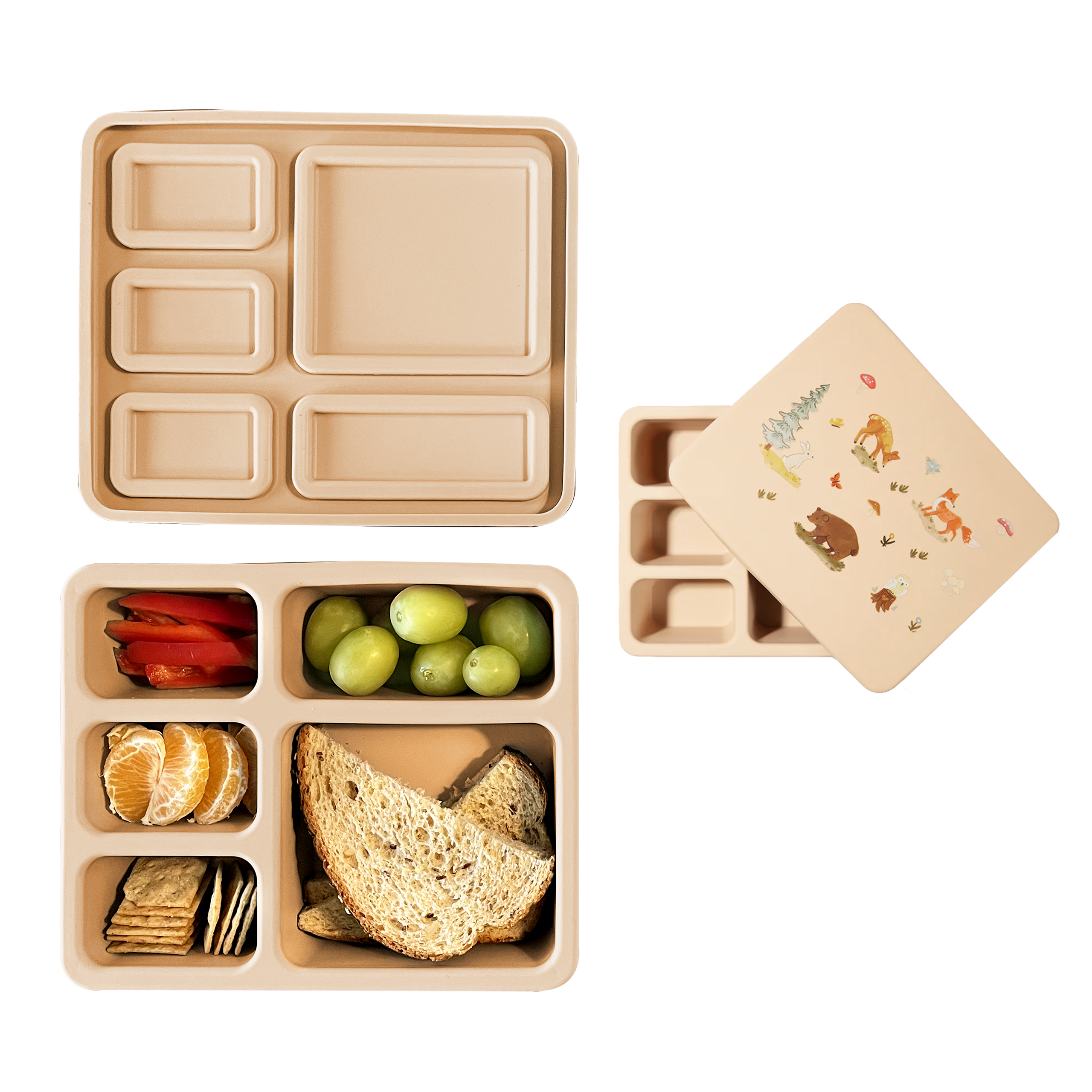
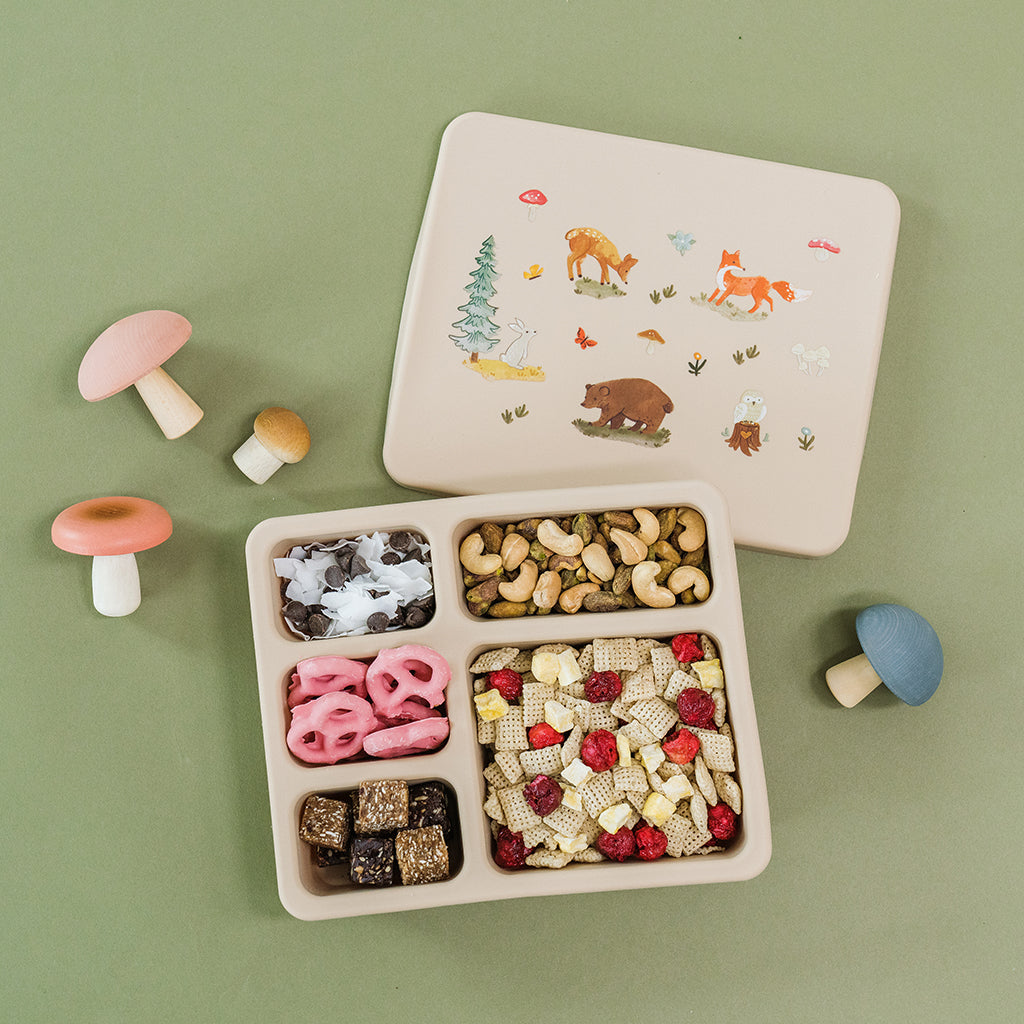
Silicone Bento Box Woodland Oat
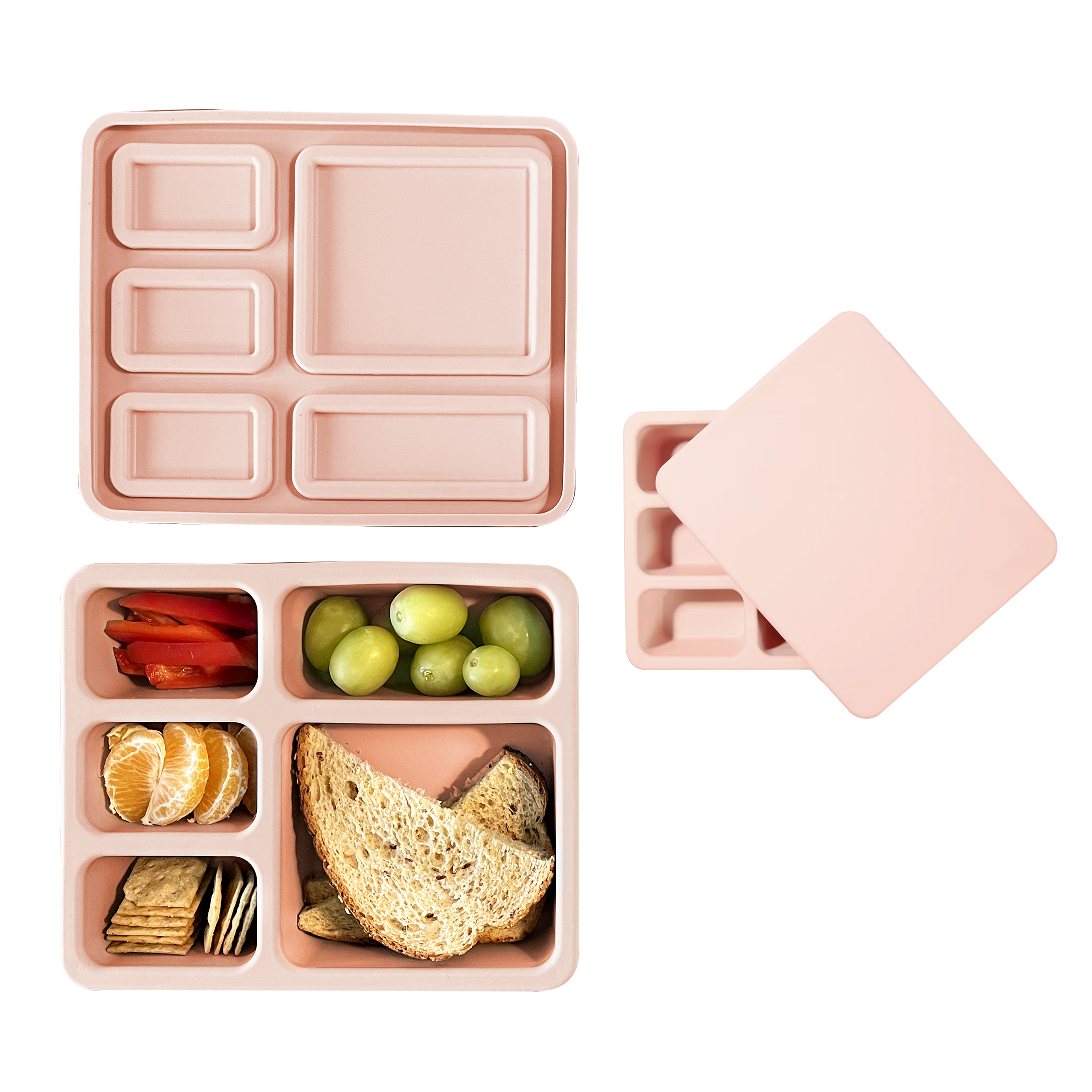
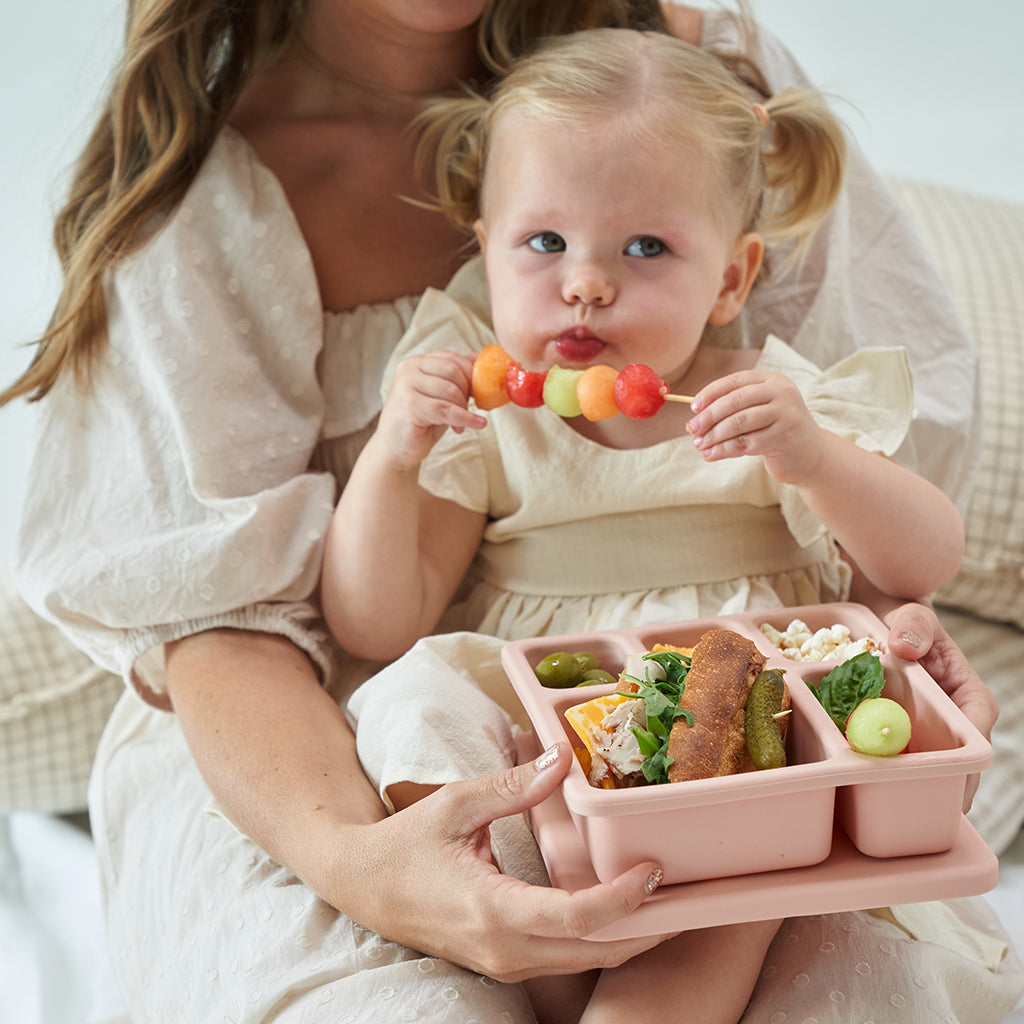
Silicone Bento Box Solid Ripe Peach
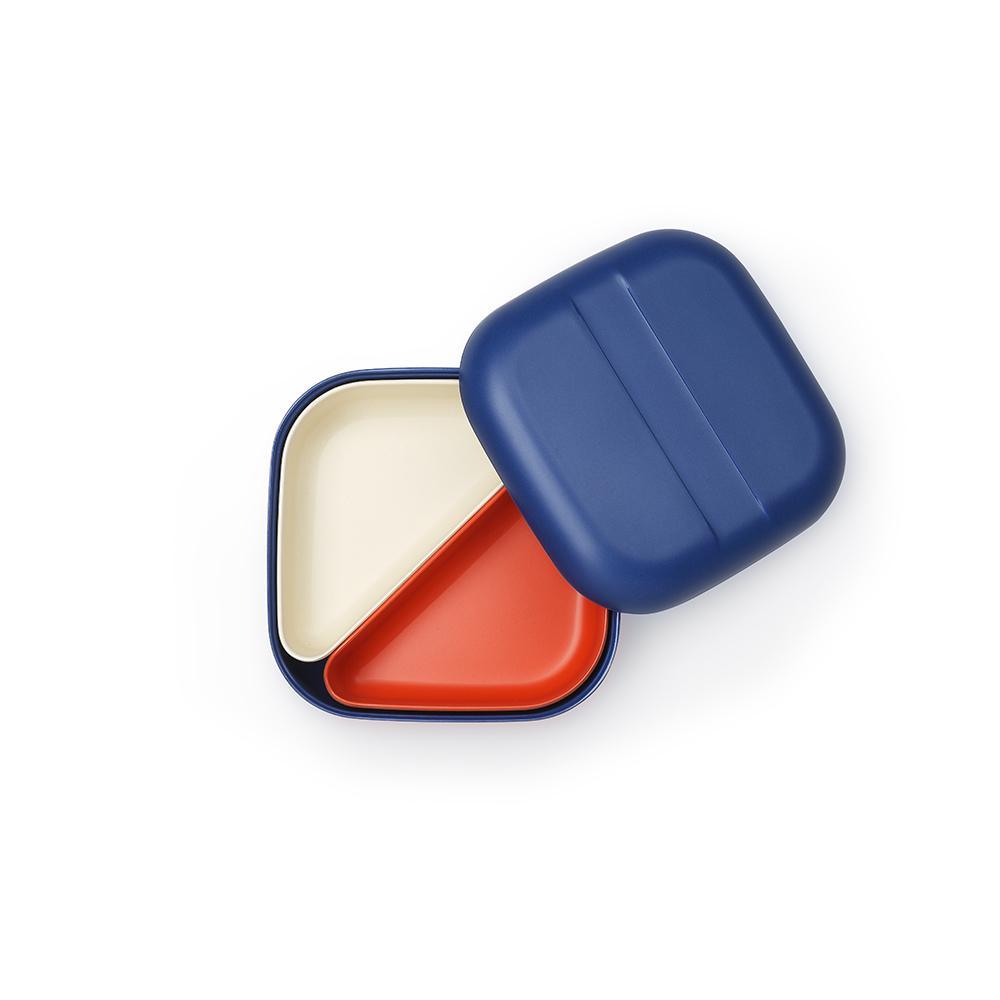
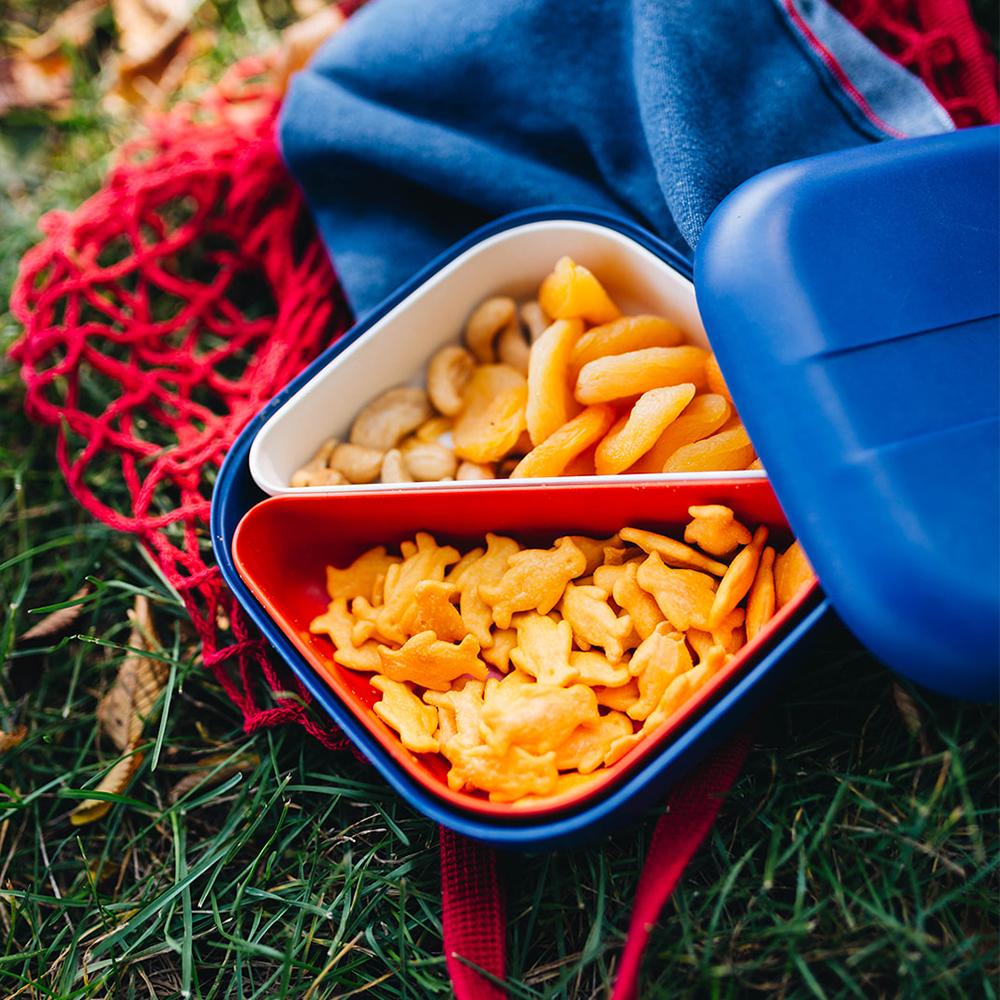
Square Bento Lunch Box - Royal Blue
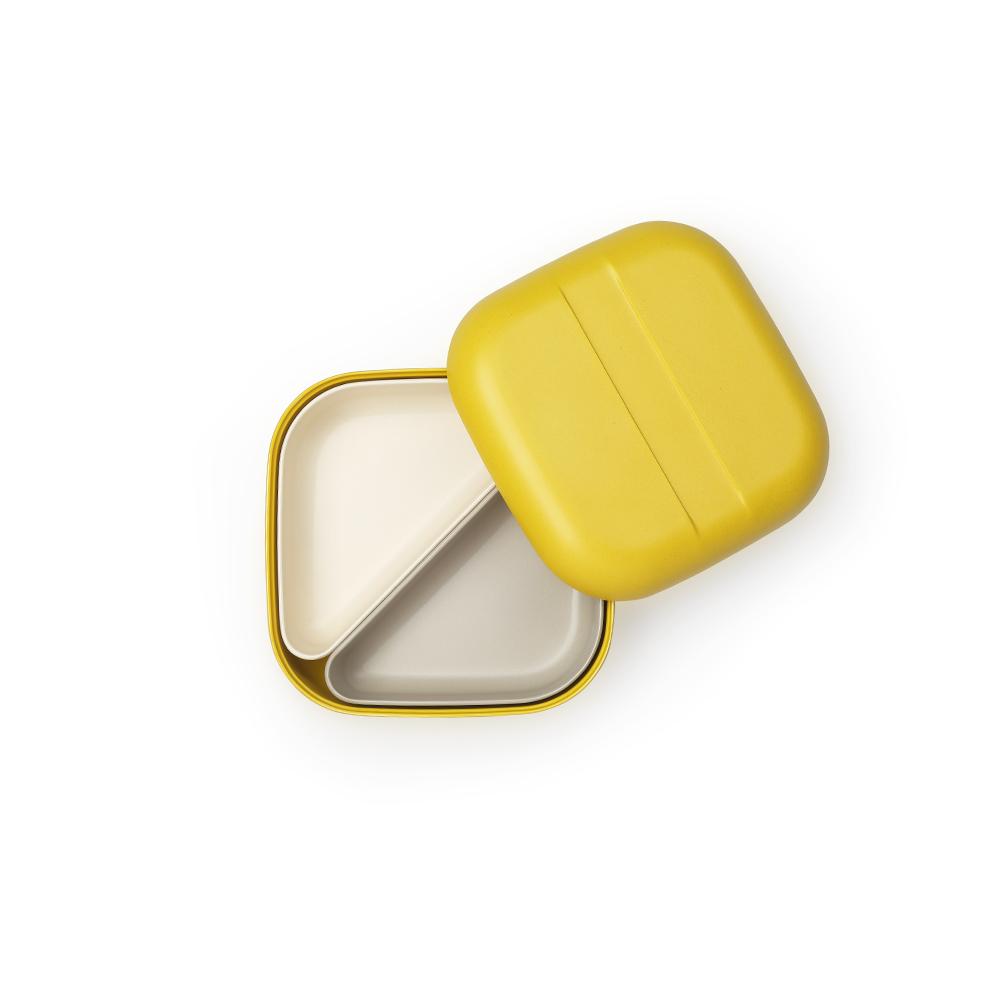
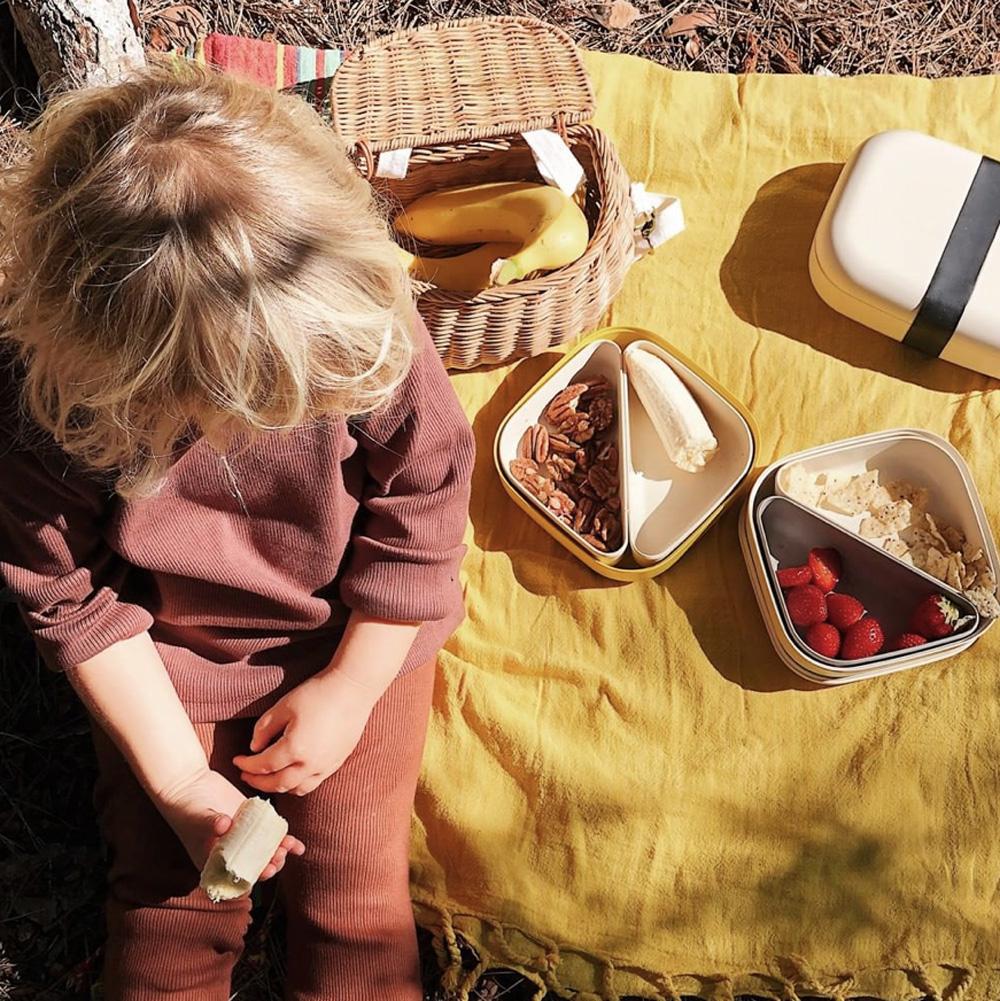
Square Bento Lunch Box - Lemon
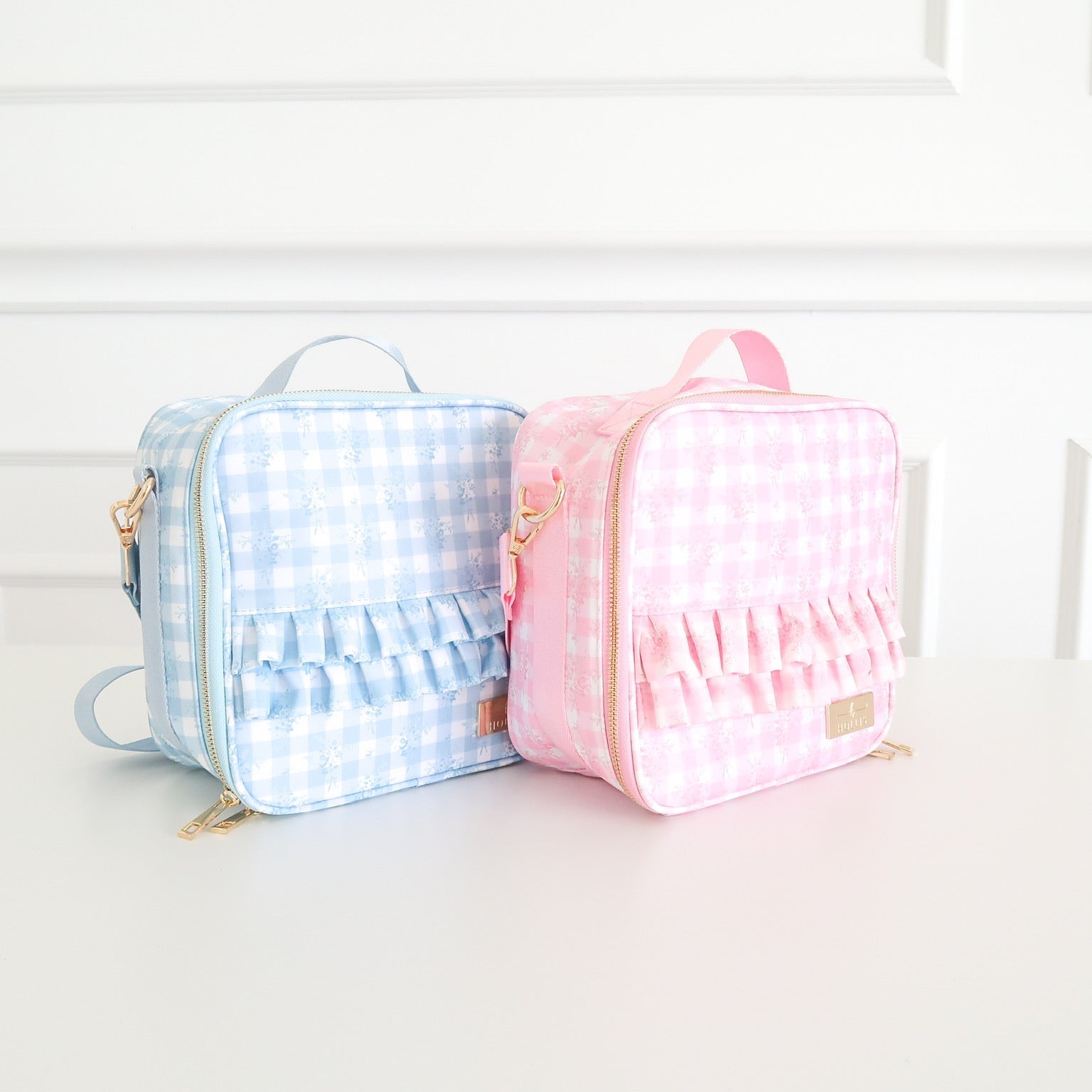
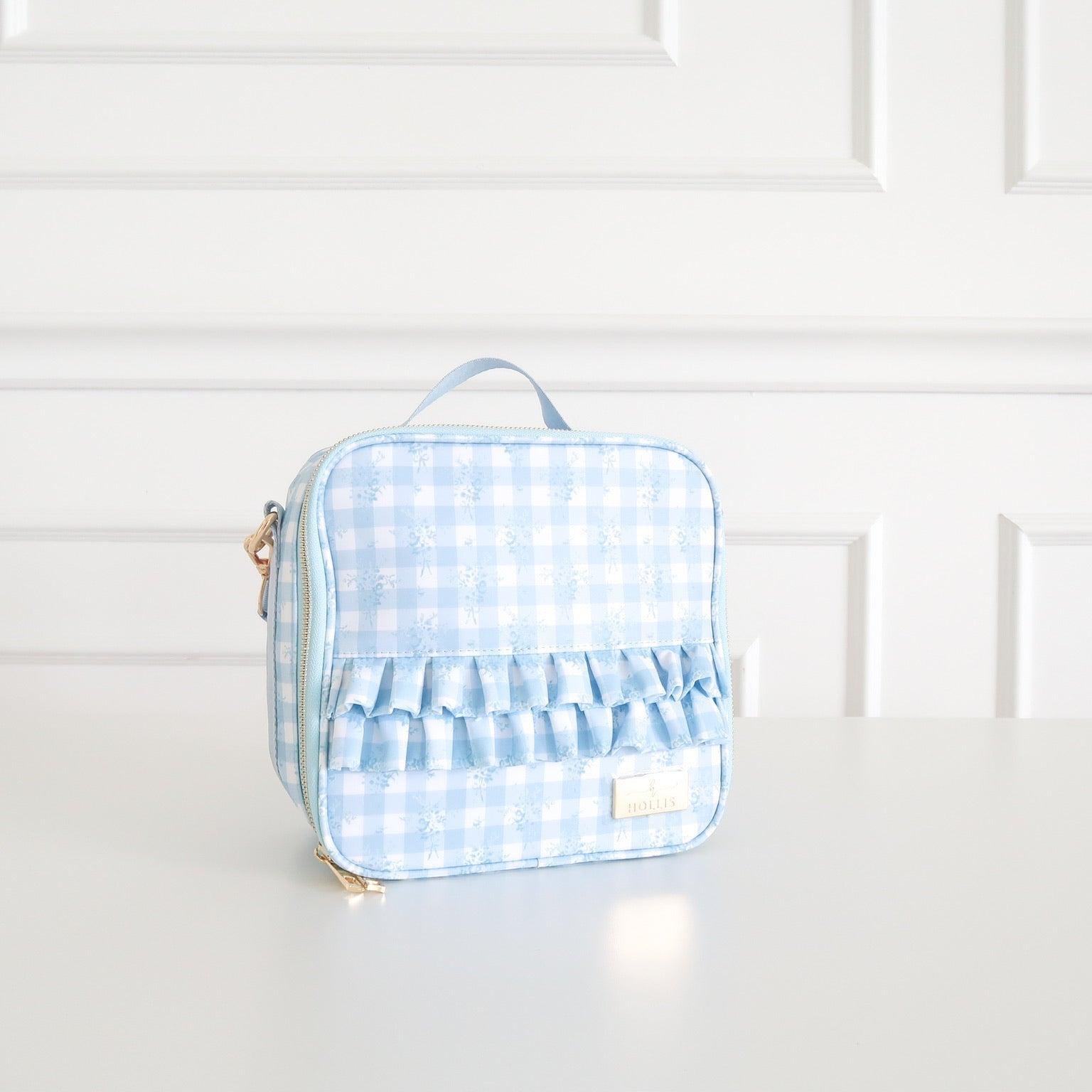
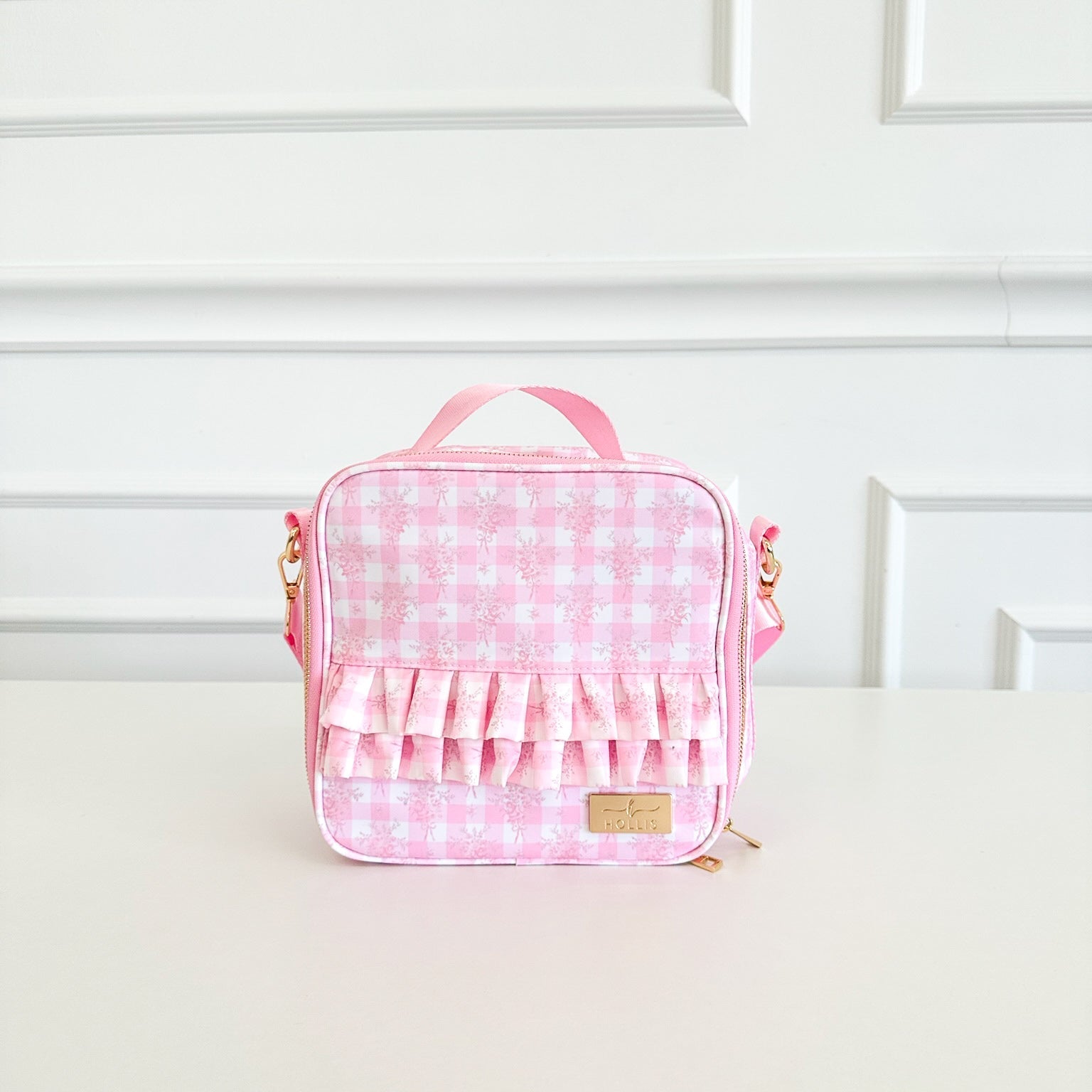
Ruffled Nylon Lunchbox


Terracotta Silicone Bento Box
How to Choose a Kids Lunch Box
The right lunch box depends on who is opening it. A four-year-old at pre-K needs latches she can work herself; a toddler at daycare needs compartments a teacher can hand over as-is; a first grader wants something that survives being dropped in the hallway twice a day. Start with the material, match the size to the eater, and then decide whether warm food matters — in that order.
Silicone, stainless steel, or soft-sided?
Silicone bento boxes have taken over the toddler-and-preschool years for good reason: they're unbreakable, quiet when dropped, and go straight into the dishwasher. The Austin Baby Collection silicone bento box is the classic version — divided compartments in one soft, easy-open piece. Stainless steel is the step up for durability and for families avoiding plastic entirely; the Busy Benny leakproof stainless lunch box adds a sealed inner snack box and divider, so yogurt and crackers can ride in the same box without meeting. Soft-sided and fabric styles are the lightest to carry and the easiest to stuff into a backpack — you'll find those alongside insulated carriers in the lunch bag collection.
Size it to the eater, not the backpack
Toddler portions are smaller than most lunch boxes assume, and half-empty compartments just give food room to slide around. A compact box like the Mushie lunchbox holds a real toddler lunch — a sandwich, fruit, and a snack — without the bulk of a school-age box. The daycare test is simple: can your child open every latch and lid alone, or can the teacher serve it without unpacking anything? Bento-style boxes pass because nothing needs assembling or unwrapping. For the in-between moments — the stroller snack, the car ride — a dedicated cup from the snack container collection saves the lunch box for actual lunch. And if this is the daycare starter kit, the toddler backpack guide covers the bag the lunch box rides in.
Warm lunches, cold packs, and leak math
No standard lunch box keeps food hot — that takes an insulated container or a heat-safe insert. The Ekobo stainless lunch box with heat-safe insert solves it neatly: pack the meal cold, and the insert can be warmed when it's time to eat, which works beautifully for daycares that reheat. For cold lunches, an ice pack inside an insulated bag keeps dairy and deli meat safe until noon — another reason to pair whatever box you choose with an insulated carrier. And check the word "leakproof" carefully: many bento boxes keep foods separated but are not sealed between compartments, so dressings and dips belong in their own lidded container unless the box says otherwise.
What makes a good toddler lunch box for daycare?
One the teacher can serve in ten seconds. That means a single box with everything visible when the lid opens, compartments instead of baggies, no thermos to unscrew, and a lid a small child can at least help open. Silicone bento boxes are the daycare favorite because they check every box, survive the floor, and come home clean enough to rinse. Label it, pack foods your toddler already eats confidently, and keep portions small — a daycare lunch that comes home half-eaten is normal, and a smaller box makes that look like success instead of waste.
Building out the whole mealtime kit? Everything else is gathered in the toddler mealtime collection, the feeding essentials checklist maps what you need at every age, and the kids backpack guide finishes the school-morning lineup.