
Best Building Toys for Toddlers & Preschoolers
Best Building Toys for Every Age & Stage
Building toys are essential tools for childhood development, offering far more than just entertainment. From the earliest grasps to complex spatial reasoning, construction play builds confidence, problem-solving skills, and creative thinking. Whether your little one is just discovering cause-and-effect or ready to design intricate structures, we have curated the best building toys for every developmental stage.
Building play teaches children how the world works. It develops fine motor skills, hand-eye coordination, spatial reasoning, and perseverance. Most importantly, it's screen-free creative play that engages young minds for hours.
Always check age recommendations on toy packaging. Toys with small parts are not suitable for babies under 3 years. Ensure all toys meet safety standards and are free from sharp edges or toxic materials. Supervise young children during play and regularly inspect toys for wear or damage.
Stacking & Sorting Toys (6-18 Months)
Stacking and sorting toys are perfect for babies discovering cause-and-effect. These toys develop hand strength, coordination, and early problem-solving as babies figure out how pieces fit together. The satisfaction of successful stacking builds confidence during this critical developmental window.


Wooden Blocks & Sets (18 Months - 3 Years)
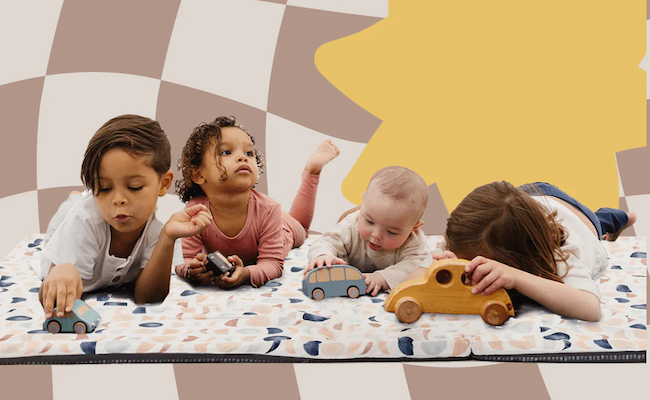
As toddlers grow, wooden blocks become the gateway to open-ended, imaginative play. Wooden blocks teach balance, structure, and spatial relationships while encouraging independent creative thinking. Every tower built is a small victory in motor development and problem-solving confidence.


Magnetic Tiles & Construction Sets (3+ Years)
Magnetic tiles elevate construction play to the next level, introducing geometry, engineering principles, and 3D spatial reasoning. These sets encourage STEM learning through play, allowing older children to build complex structures while understanding how shapes interact in three dimensions.


Quick Verdict
Best Overall: Start with classic wooden blocks. They grow with your child from toddler through early elementary years and never go out of style.
Best for Babies: Stacking toys with varied textures and safe, easy-to-grasp shapes. Look for teething-friendly options that double as sensory exploration.
Best for Open-Ended Play: Wooden blocks and natural wood sets. No instructions, no "right way"—just imagination and creativity.
When should my baby start with building toys?
Babies can begin exploring stacking toys around 6 months when they develop better grasping abilities. Start with soft, textured stacking toys. Around 12-15 months, toddlers become more interested in knocking down and rebuilding. By 18 months, they'll start deliberately stacking. Every child develops at their own pace—follow their lead and interest level.
Are open-ended toys or structured building sets better?
Both have value. Open-ended toys like wooden blocks encourage creativity and problem-solving with no "right answer." Structured sets teach specific building techniques and often result in recognizable finished products. The best approach: offer both. Open-ended play builds confidence and creativity, while structured play teaches specific skills and provides satisfaction from completing a design.
Can building toys replace screen time?
Building toys offer screen-free engagement that develops skills screens cannot. They promote active problem-solving, fine motor control, spatial reasoning, and imaginative thinking. While building toys shouldn't be the only activity, they're an excellent replacement for passive screen time and provide real developmental benefits for growing brains.
Are Montessori building toys worth it?
Montessori-inspired toys emphasize child-led learning, natural materials, and practical life skills. They tend to be higher quality and designed to last through multiple children. While more expensive upfront, their durability and ability to grow with your child make them a worthwhile investment. Many families find one or two quality Montessori pieces worth more than many cheaper alternatives.
Read more
Baby Bibs & Feeding Essentials
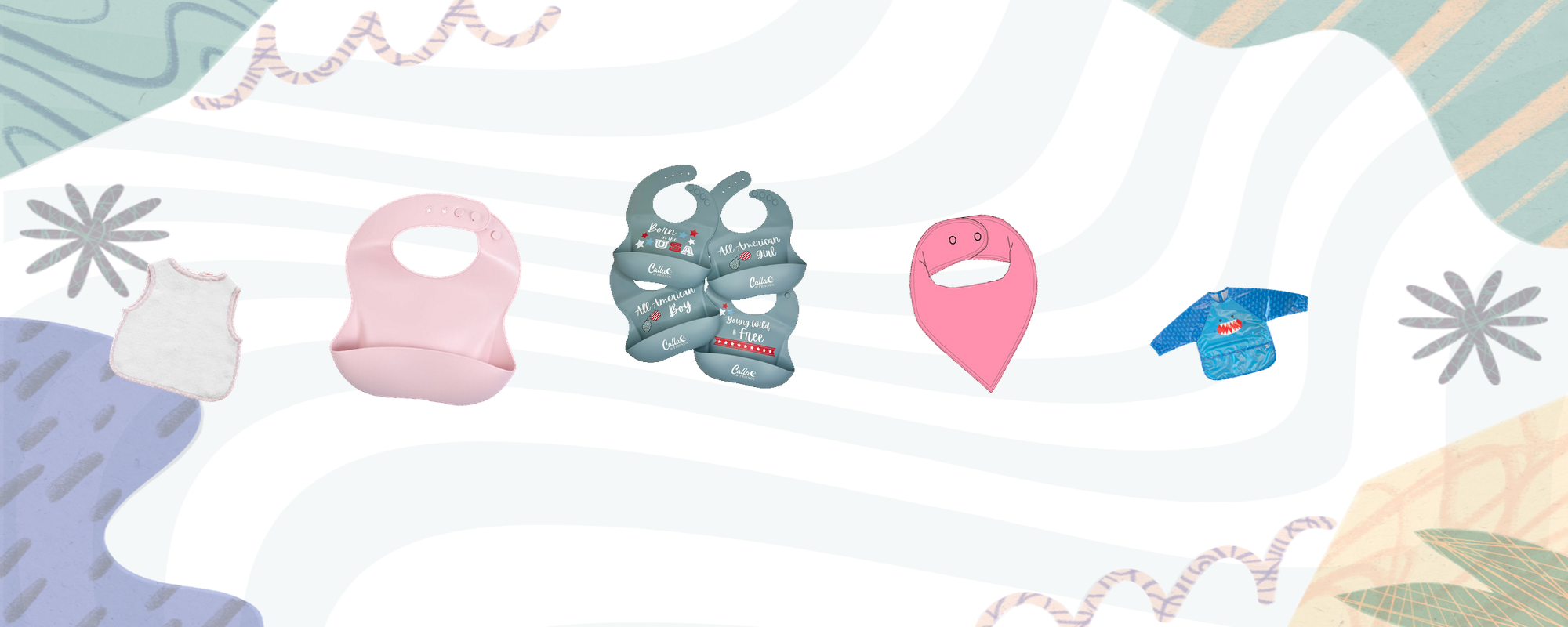
In This Guide Drool & Bandana Bibs for Newborns Silicone & Food-Catching Bibs Toddler Bibs & Smocks Quick Verdict FAQ Best Baby Bibs Bibs are one of...
Read more
The Best Ways To Teach Your Kid to Tie Their Shoes
Tying your shoes is one of those things that you probably don’t think about until you have to do it. It’s not something that comes up in day-to-day conversation, and it’s not something that y...
Read more