Best High Chairs of 2026: How to Choose the Right One
 ·
April 26, 2026
·
April 26, 2026
A high chair is one of the most-used pieces of baby gear you'll own — your child will sit in it multiple times a day for two to three years. The right high chair makes mealtimes safer, encourages self-feeding, and saves you from scrubbing food out of fabric crevices at 8 PM every night. Yet most parents spend more time researching strollers than high chairs, which means a lot of families end up with a chair that's hard to clean or doesn't support safe feeding posture.
Here's the bottom line: the best high chair for most families is one with an adjustable footrest, a dishwasher-safe or easily wipeable tray, and a 5-point harness — at whatever price point fits your budget. Positioning matters more than brand, and cleanability matters more than aesthetics.
Why Positioning Is the Most Important Factor
Feeding specialists and speech-language pathologists agree: a baby eating solid food needs to be seated with their hips, knees, and ankles all at approximately 90-degree angles, with feet firmly supported on a footrest — not dangling. This 90/90/90 rule isn't just about comfort; it directly affects swallowing safety and feeding skill development.
A study in the Journal of Pediatric Rehabilitation Medicine found that proper foot support during feeding improved oral motor function and reduced choking risk in young children. Many popular high chairs don't include an adjustable footrest, which is a significant oversight. When evaluating any high chair, check three things: does it have a footrest, is the footrest adjustable, and can the seat height and depth accommodate your baby as they grow?
This positioning is especially important if you're doing baby-led weaning, where your baby needs stable trunk support to safely manage finger foods.
High Chair Types Compared
| Type | Age Range | Price Range | Best For | Key Drawback |
|---|---|---|---|---|
| Convertible Wooden (Stokke, Abiie) | 6 months–school age | $200–350 | Long-term value, best positioning | Higher upfront cost; no recline |
| Full-Featured Plastic (Graco, Chicco) | 3 months–3 years | $80–200 | Feature-rich at mid price; recline for younger babies | More crevices to clean; rarely grows past toddlerhood |
| IKEA Antilop | 6 months–3 years | Under $25 | Budget families; easy to clean; therapist-approved | No footrest (add aftermarket); no padding |
| Clip-On / Hook-On | 6 months–2 years | $40–90 | Travel, restaurants, small spaces | No foot support; requires sturdy table edge |
| Portable Booster Seat | 6 months–3 years | $25–60 | Grandparents' house, travel | Depends on dining chair stability; limited foot support |
Cleanability: The Feature You'll Care About Most
Babies are spectacularly messy eaters — purees get into every seam, crumbs lodge in every crevice, and milk pools in every gap between parts. The high chairs that parents universally love are the ones that are easiest to clean.
What to look for: molded plastic or sealed wood surfaces with minimal seams, a removable tray that goes in the dishwasher (or wipes clean in seconds), and either no cushion or a fully removable, machine-washable cushion. Some parents find that a simple silicone placemat on the tray eliminates the tray-cleaning problem entirely.
What to avoid: fabric-covered cushions that aren't removable, trays with sectioning grooves (food debris collects in them), and designs with lots of small parts or hard-to-reach joints. If you can't clean the chair in under two minutes, you'll dread mealtimes.
Safety Features Every High Chair Needs
The Consumer Product Safety Commission (CPSC) recommends that all high chairs have a 3-point or 5-point harness, a wide stable base that resists tipping, and no sharp edges or pinch points.
Always use the harness — even if your baby protests — because falls from high chairs are among the most common causes of infant head injuries treated in emergency departments. Additional safety rules: if the chair has wheels or casters, make sure they lock; place the chair on a flat surface away from walls and counters a baby could push off of; and never leave a baby unattended in a high chair.
How to Choose the Right High Chair for Your Family
If you want a chair that lasts from baby through elementary school → invest in a convertible wooden chair. The higher upfront cost ($200–350) pays for itself over 5+ years of daily use, and these chairs consistently have the best positioning with adjustable seat and footrest heights.
If you want features on a budget → a full-featured plastic chair from Graco, Chicco, or similar brands gives you recline, multiple height settings, large trays, and compact folding at $80–200. The trade-off is more cleaning-resistant crevices and a shorter usable lifespan.
If you want the simplest possible option → the IKEA Antilop (under $25) is the pediatric feeding therapist's favorite because of its simple design, easy cleaning, and good positioning. Add an aftermarket footrest ($15–20) and it rivals chairs costing ten times as much for feeding safety.
If space is limited → a clip-on chair or a full-size chair that folds flat is worth the trade-off in foot support. Check the weight limit and table edge requirements before buying a clip-on.
If you need portability → a booster seat that straps to a dining chair works well for travel and grandparents' homes, but shouldn't be the primary chair at home because they typically lack proper foot support.
When to Start Using a High Chair
Most babies are ready for a high chair when they can sit with minimal support — usually around 5–6 months, right when you're introducing solid foods. Start by letting your baby sit in the chair for short periods during family meals even before they're eating food, so they associate the chair with the social experience of mealtime.
When they start solids, pull the chair up to the family table (remove the tray) when possible — research shows that babies who eat with the family are more likely to accept new foods and develop positive eating habits.
When to Transition Out of a High Chair
Most children move out of a high chair between 18 months and 3 years, depending on the chair design and the child's development. Convertible wooden chairs that transform into regular seating can be used through preschool and beyond. When your child starts wanting to sit "like a big kid," a booster seat on a regular dining chair is the natural next step. Whatever setup you choose, make sure feet are always supported — a footrest or step stool matters as much for a 3-year-old as for a 6-month-old.
High Chair Accessories That Actually Help
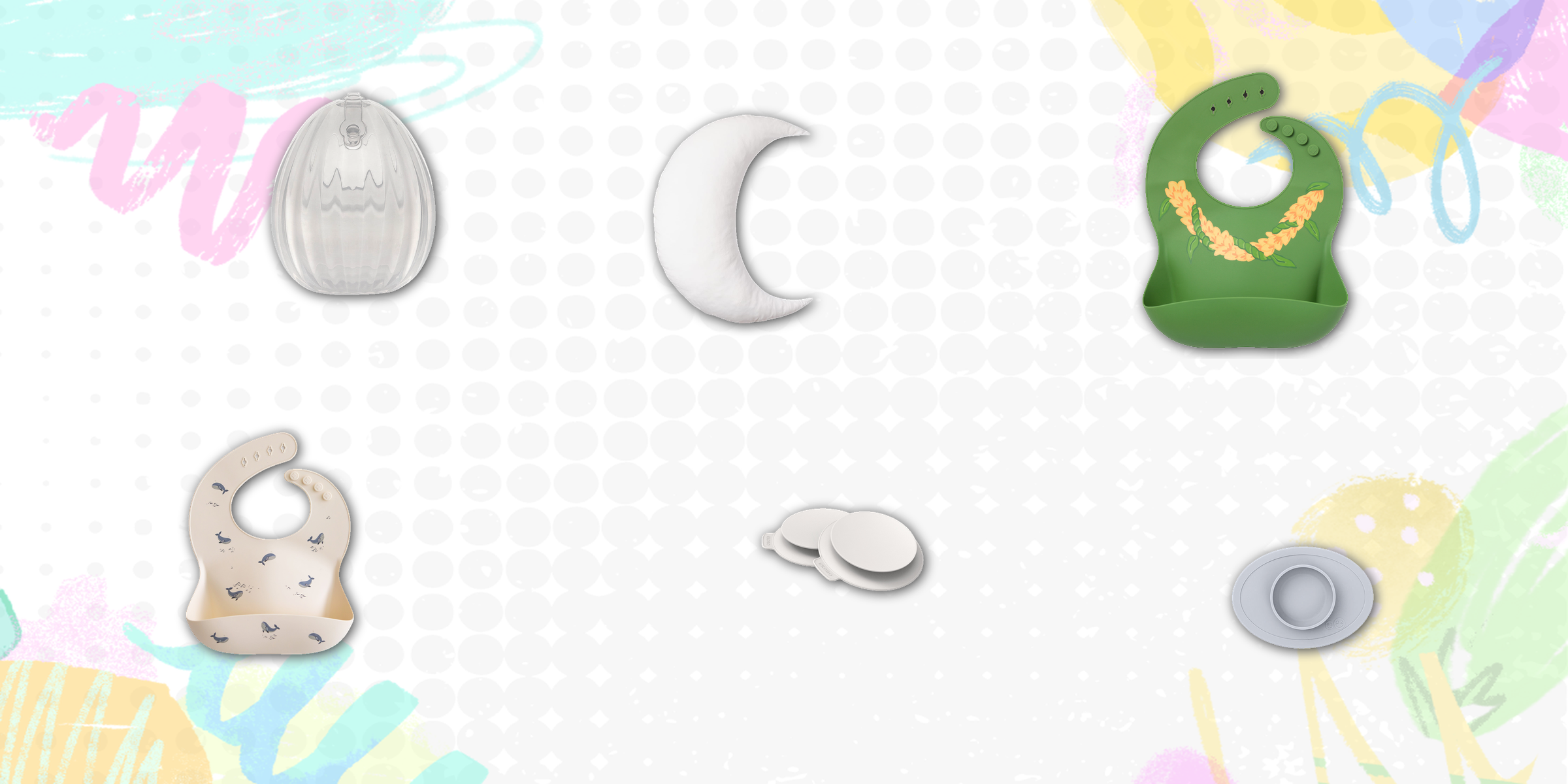
A suction plate keeps food on the tray and gives your baby a stable surface for self-feeding. Silicone pocket bibs catch falling food and wipe clean instantly — they're the gold standard for solid food meals. A splat mat under the chair saves your floors during baby-led weaning. And as your child grows, switching to toddler-appropriate cups and utensils encourages independent eating. For the complete list of feeding gear by age, see our baby feeding essentials checklist.
High Chair Cleaning Tips
After every meal, remove the tray and wipe it down. Once a week, do a deep clean: remove all detachable parts, wash the tray in the dishwasher or with hot soapy water, wipe down the frame and harness straps, and check under the seat for hidden food. For fabric cushions, remove and machine wash weekly. For stuck-on food in crevices, an old toothbrush and warm soapy water works better than any specialty product.
Frequently Asked Questions
What is the best high chair for babies?
The best high chair depends on your priorities. For long-term value and optimal feeding positioning, a convertible wooden chair (like the Stokke Tripp Trapp) is the top choice among feeding therapists. For budget-conscious families, the IKEA Antilop with an aftermarket footrest offers excellent positioning for under $45. For feature-rich options at a mid price, full-featured plastic chairs from Graco or Chicco offer recline, folding, and multiple height settings.
When can a baby sit in a high chair?
Most babies are ready for a high chair around 5–6 months, when they can sit with minimal support. Some full-featured plastic chairs with recline settings can accommodate babies as young as 3 months in a reclined position, though solid food feeding shouldn't start until your baby shows developmental readiness signs around 6 months.
Does a high chair need a footrest?
Feeding specialists strongly recommend a footrest. When a baby's feet dangle, their core is less stable, swallowing is harder, and mealtime discomfort increases. The 90/90/90 positioning rule — hips, knees, and ankles at 90 degrees with feet supported — improves oral motor function and reduces choking risk. If your high chair doesn't have a footrest, aftermarket options are available for most models.
How do I clean a high chair?
After every meal, remove and wipe down the tray. Choose a chair with smooth surfaces and minimal crevices for easiest daily cleaning. Weekly, remove all detachable parts and wash the tray in the dishwasher or hot soapy water. Wipe the frame and harness with a damp cloth, and check under the seat for hidden food. Fabric cushions should be machine-washed weekly.
How long do babies use high chairs?
Most children use a high chair from about 6 months to 2–3 years. Convertible wooden chairs can be adjusted and used through elementary school as regular seating. When your child is ready to transition, a booster seat on a regular dining chair is the typical next step — just ensure feet are still supported by a footrest or step stool.
Are high chairs safe?
High chairs are safe when used correctly. The CPSC recommends always using the harness, choosing a chair with a wide stable base, placing it on flat ground away from walls and counters, and never leaving a baby unattended. Falls from high chairs are a leading cause of infant head injuries in the home, making the harness the most important safety feature to use consistently.