Best Montessori Toys 2026 | EasyTot
 ·
April 1, 2026
·
April 1, 2026
Finding the right toys for your little one can feel overwhelming—especially when you want to support learning and development without the sensory overload. Montessori-inspired toys are designed with this balance in mind: they are simple, beautiful, and genuinely engaging. Whether your child is exploring through touch or solving complex puzzles, these toys grow with your child and encourage independent, hands-on learning.
We have curated 60 toys across 10 developmental stages, from sensory discovery for newborns to STEM play for preschoolers. Each product has been selected for quality, safety, and the joy it brings to open-ended play. Skip ahead to your child age range, or read through to plan ahead as your little one grows.
Montessori play doesn't require expensive setups. A few well-chosen toys in a quiet space often outweigh a room full of plastic clutter. Rotate toys every few weeks to refresh your child's interest and build anticipation.
Sensory Play & Discovery (0-6 Months)
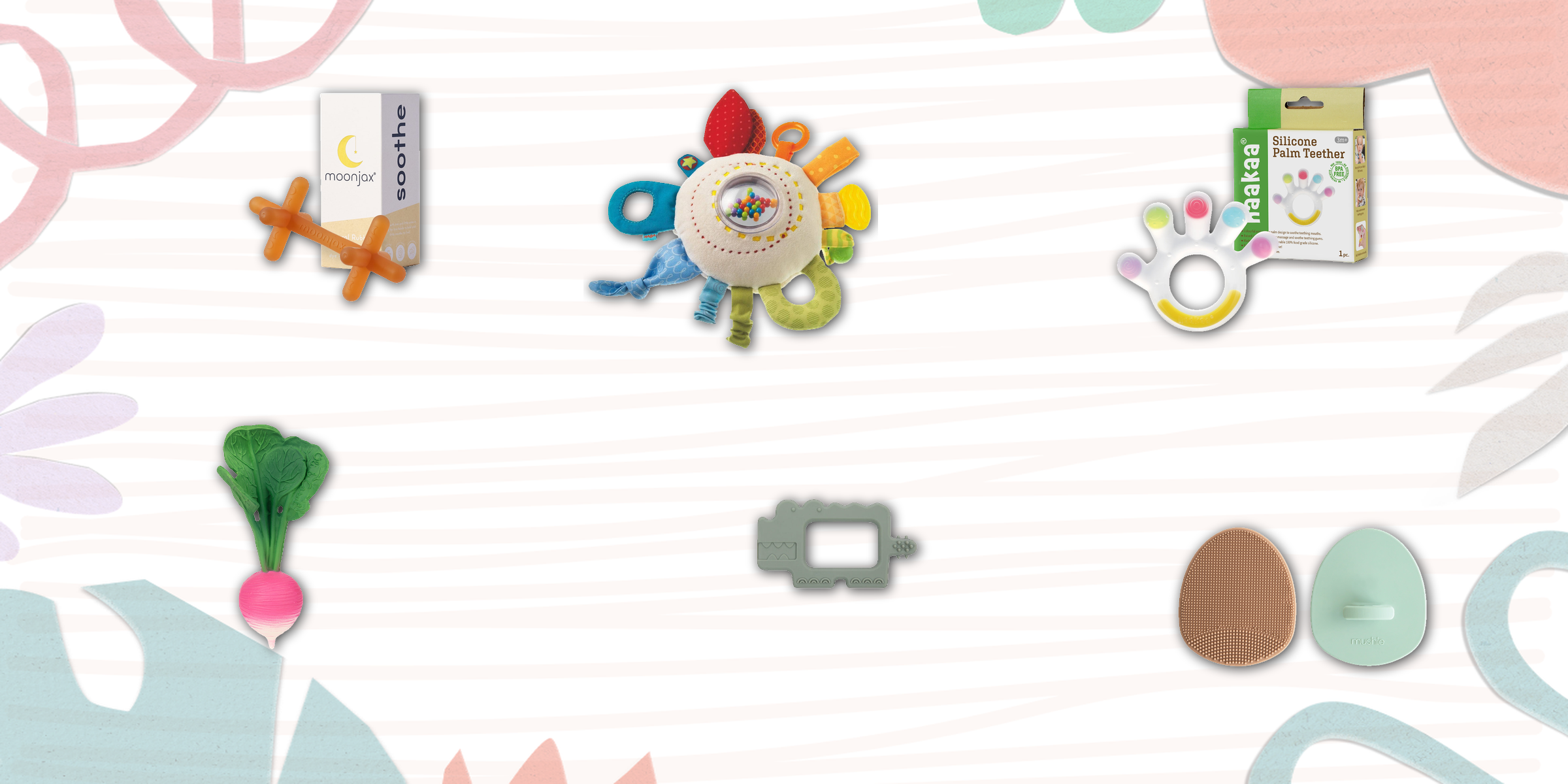
Newborns are developing their senses rapidly. High-contrast images, gentle textures, and varied tactile experiences help build neural pathways. These toys encourage observation and safe sensory exploration when baby is ready to grasp and mouth objects.
First Grasping Toys & Rattles (6-12 Months)
At 6 months, babies are developing hand-eye coordination and starting to reach for objects intentionally. Lightweight rattles and clutch toys build grip strength and encourage cause-and-effect learning. Look for toys that are easy to grab and safe for chewing.
Stacking & Nesting (6-18 Months)
Stacking and nesting toys teach spatial reasoning and fine motor control. As babies move from raking grasps to pincer grasps, nesting cups and stacking rings become essential for developing hand strength and problem-solving. These toys evolve with your child through multiple developmental stages.
Shape Sorters & Sorting (12-24 Months)
Shape sorters introduce categorization and problem-solving in a playful, hands-on way. Toddlers at this stage enjoy trial-and-error learning and the satisfaction of fitting shapes into matching holes. Start with simple sorters and progress to more complex multi-part toys.
Wooden Blocks & Building (1-3 Years)
Wooden blocks are the foundation of Montessori play—open-ended, durable, and endlessly creative. Toddlers develop fine and gross motor skills through stacking, balancing, and toppling towers. Blocks encourage imaginative play and early engineering concepts.
Musical Instruments (1-4 Years)
Music builds neural connections and fosters emotional expression. Toddlers love creating sounds and exploring cause-and-effect through simple instruments. These toys introduce rhythm, pitch, and the joy of making music without requiring formal instruction.
Puzzles & Problem Solving (2-5 Years)
Puzzles develop visual-spatial awareness, persistence, and fine motor coordination. As children progress, puzzles increase in complexity—starting with chunky 3-piece trays and advancing to 24+ piece puzzles. Each completed puzzle builds confidence and encourages focused play.
Play Kitchens & Pretend Play (2-5 Years)
Pretend play is where children explore social roles, develop language, and work through emotions. Play kitchens and food sets invite collaborative play and imaginative scenario-building. These toys support cognitive development through symbolic thinking.
Balance, Climbing & Movement (2-6 Years)
Gross motor development is essential for body awareness, coordination, and confidence. Balance bikes, stepping stones, and climbing toys challenge children to develop strength and spatial awareness while having fun. Movement play also supports emotional regulation and reduces stress.
STEM & Educational Toys (3-6 Years)
STEM toys introduce early math, science, and logical thinking through play. Counting frames, geometric shapes, and simple building systems encourage abstract thinking and prepare children for school-readiness concepts. The best STEM toys feel like play, not lessons.
Quick Verdict
Best for Sensory Development: The sensory-focused toys in our 0-6 month section build crucial neural pathways and introduce your baby to the world through touch, sight, and sound.
Best for Problem-Solving: Shape sorters, puzzles, and STEM toys for ages 2+ encourage critical thinking and persistence in the most joyful way possible.
Best Overall Value: Wooden blocks and simple building toys appear across multiple age ranges—a single set can support learning for years as your child development progresses.
Frequently Asked Questions
What makes a toy Montessori-inspired?
Montessori toys are designed around how children naturally learn: through sensory exploration, problem-solving, and hands-on discovery. They typically have minimal visual clutter, durable natural materials, and open-ended play potential. Rather than doing the thinking for the child, these toys invite experimentation and independent learning.
How do I know which age range is right for my child?
Age ranges are developmental guidelines, not strict rules. Every child develops at their own pace. If your 18-month-old loves puzzles meant for 2-year-olds, that is wonderful—let them play. Watch for signs of frustration or boredom and adjust accordingly. A toy that is slightly challenging is often more engaging than one that is too easy.
Are Montessori toys better than other toys?
Montessori toys excel at encouraging independent, focused play and skill-building. They are not better in every context—your child will also love imaginative role-play with friends and active outdoor play. The best toy collection balances Montessori principles with other types of play: pretend, physical, and social.
Should I buy multiple toys at once or introduce them gradually?
Fewer toys, rotated regularly, often lead to deeper engagement than a room full of options. Consider buying 3-5 toys across different developmental areas and rotating them every 2-4 weeks. This keeps play fresh and helps you see which toys truly resonate with your child before investing more.
How do I care for wooden toys?
Wooden toys are durable but benefit from simple care. Wipe with a slightly damp cloth to clean; avoid soaking them. A light coating of food-grade mineral oil or beeswax can refresh the wood. Store in a dry place, and inspect occasionally for splinters. With good care, quality wooden toys last through multiple children.
What makes a toy Montessori-friendly?
Montessori toys are typically made from natural materials, focus on one skill at a time, are self-correcting, and encourage independent, open-ended play rather than passive entertainment.
At what age should you start Montessori toys?
You can introduce Montessori toys from birth. Simple rattles and high-contrast cards work for newborns, progressing to stacking toys and shape sorters around 6-12 months.
Are Montessori toys worth the investment?
Yes. Montessori toys are designed to grow with your child and promote deep, focused play. Their durability and educational value make them a smart long-term investment.