

Doona Car Seat Stroller Review: What 500+ Real Parents Actually Think
We pulled real reviews from Reddit, car-seat technicians, travel bloggers, and crash test labs. Here is what parents actually think about the most hyped infant car seat on the market.
 ·
June 16, 2026
·
June 16, 2026
The Doona Car Seat & Stroller is one of the most hyped baby products of the last decade. It's also one of the most polarizing. Parents either swear by it or swear it's the most overpriced baby gear they've ever bought.
We dug through hundreds of parent reviews, Reddit threads, CPST commentary, and independent crash test data to figure out where the truth actually lands. No brand partnerships. No affiliate spin. Just what real parents and safety experts are saying.
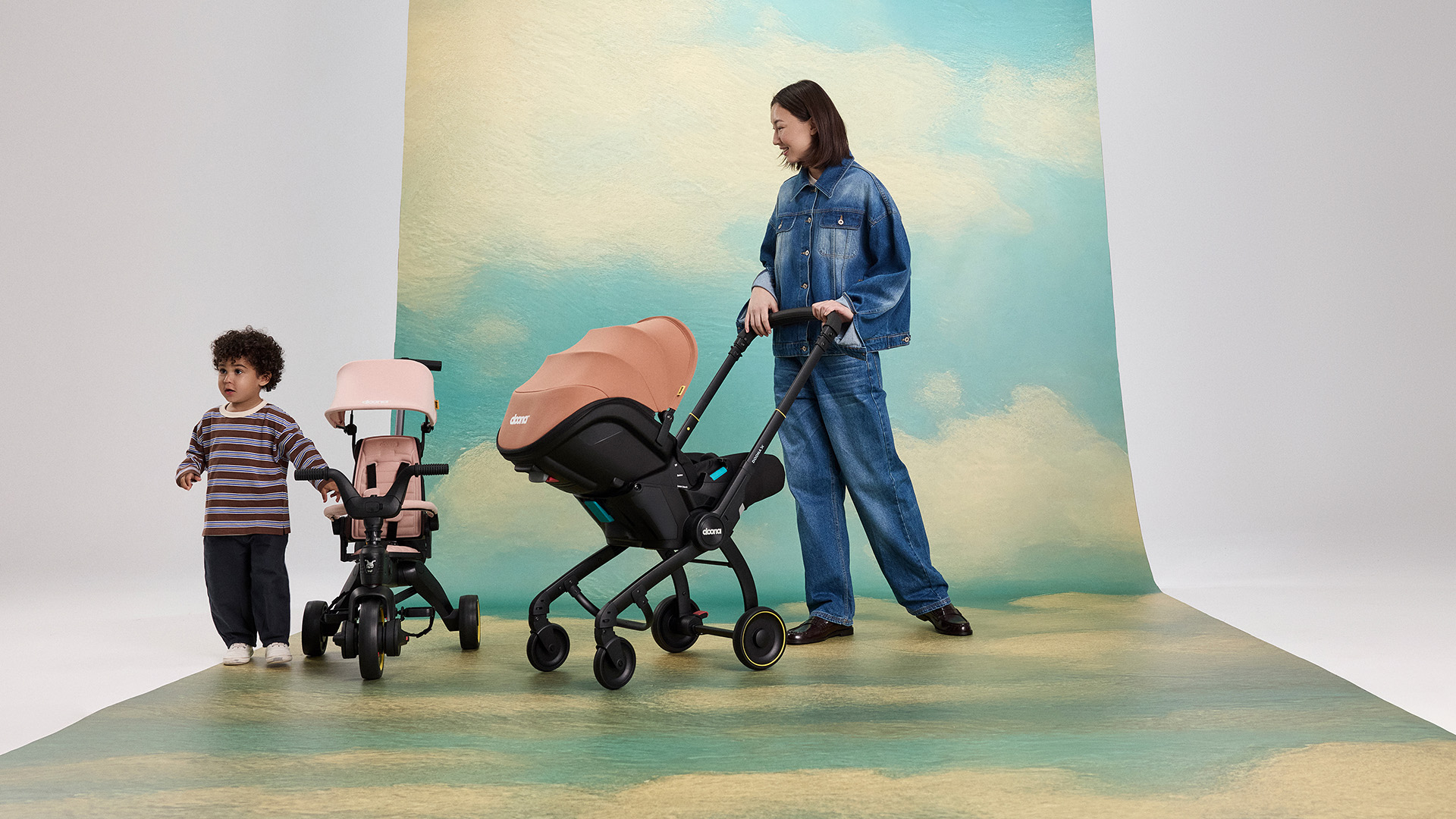
What You're Getting for $550
- Price: $550 (7 colors) / $650 (Midnight and limited editions)
- Weight range: 4-35 lbs, rear-facing only
- Height limit: 32 inches
- Unit weight: 16.5-17.2 lbs (carrier only, no baby)
- Folded dimensions: 23.6 x 17.3 x 26 inches
- Certifications: FMVSS 213 compliant, FAA approved for air travel
- Safety features: Handle doubles as anti-rebound bar; no load leg on base
- Expiration: 6 years from manufacture date
- Key feature: Built-in wheels convert car seat to stroller in one motion
>What Parents Love
The One-Piece Magic Trick
This is the Doona's entire reason for existing, and it delivers. There's no separate stroller frame to wrestle with. You pull the handle and the wheels deploy underneath. Ready to ride in a single step. For parents who are tired of the snap-click-unfold-align-lock dance of traditional travel systems, the Doona feels like a revelation.

A Rideshare Parent's Dream
If you regularly use Uber, Lyft, or taxis, the Doona makes a genuinely compelling case. Install it in seconds using the European belt path (no base needed), arrive at your destination, pop the wheels out, and stroll away. One Reddit parent put it bluntly: the Doona is "SO worth it" if rideshare is part of your daily life. No fumbling with a folded stroller in a stranger's trunk.
Fly With It, Gate-Check Nothing
The Doona is FAA-approved, which means you can use it as an airplane seat for your baby without needing a separate stroller to gate-check. You wheel it down the jetway, collapse it into car-seat mode, strap it to the airplane seat, and you're done. For families who fly frequently, this alone can justify the price.
The Sleeping Baby Transfer
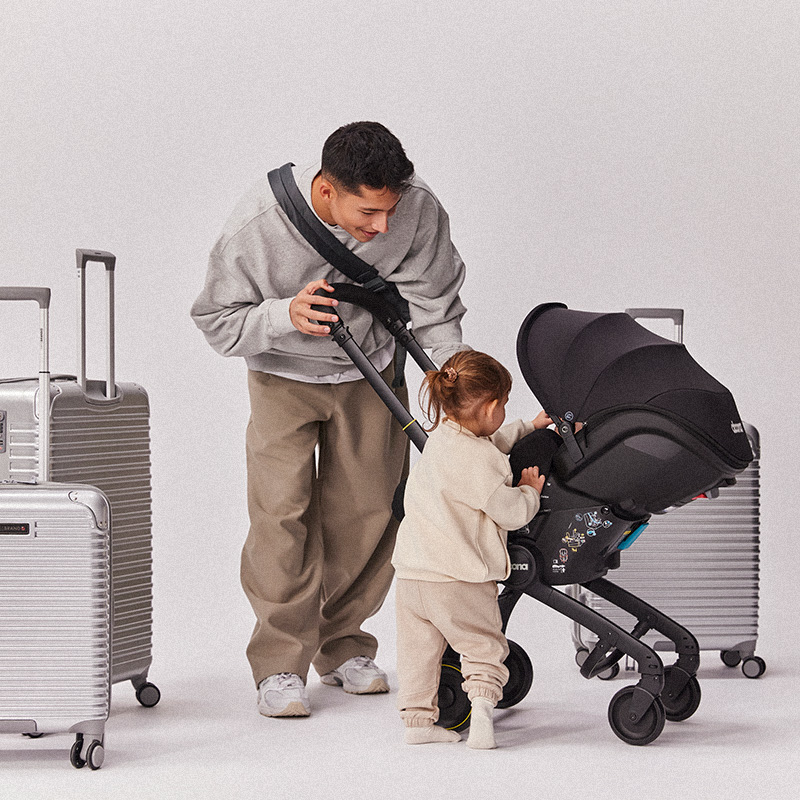
Every parent knows the dread of waking a sleeping baby during a car-to-stroller transfer. The Doona eliminates it entirely.
The Doona works for us because we can lift a sleeping baby out of the car and stroll them without waking.
No clicking into a frame, no jostling. Just lift and go.
Goodbye, Mommy Wrist
One detail that doesn't get enough attention: traditional infant car seats are brutal on your wrists and forearms. One parent shared that she developed tendonitis from carrying a standard infant carrier on her arm. The Doona's wheels eliminate carrying entirely. You roll it everywhere. For parents with wrist injuries, carpal tunnel, or anyone who's just tired of hauling 25+ pounds on their forearm, this is a genuine quality-of-life improvement.
The Honest Complaints
It's Absurdly Heavy
Let's start with the elephant in the room. The Doona weighs 16.5 to 17.2 pounds empty. Add a 15-pound baby and you're lifting over 32 pounds in and out of your car every single time. Multiple CPSTs have flagged this as a real problem.
If you wind up delivering by c-section, there is no way you're lifting a Doona in and out of the car for the first 4-6 weeks.
For context, the Nuna PIPA RX weighs 6.2 pounds. The UPPAbaby ARIA weighs 5.9 pounds. The Doona is nearly three times heavier than modern competitors.
Independent Crash Tests Raise Concerns
This is worth understanding before you buy. In BabyGearLab's independent crash testing (commissioned through MGA Research), the Doona scored below average, with higher-than-average HIC (Head Injury Criterion) and chest sensor readings compared to other seats in their test group. BabyGearLab described it as "one of the worst performers in this group" for crash testing. Consumer Reports rated its crash protection as "Better" — their middle tier, not "Best." The Doona passes all U.S. federal safety standards (FMVSS 213) and is NHTSA compliant, so it meets every legal requirement — but several lighter, less expensive seats scored higher in these independent tests.
No Load Leg
A load leg is a support that braces against the vehicle floor to reduce crash forces. It's becoming standard on premium competitors like the Clek Liing, Nuna PIPA RX, and UPPAbaby ARIA. The Doona doesn't have one. The Car Seat Lady noted it's a "good car seat" but that she "prefers a base with a leg." At $550, the absence of a load leg is hard to defend.
Tiny Canopy, Zero Storage
The canopy is "pretty small" and "won't offer much protection from the sun," according to multiple reviewers. There's no storage basket underneath, no cup holders, no parent organizer — nothing. You can buy a snap-on bag accessory, but it needs to be removed every time you fold the wheels. And here's a frustrating design quirk: moving the handle is what opens and closes the canopy, so adjusting one always affects the other.
Kids Outgrow It Fast
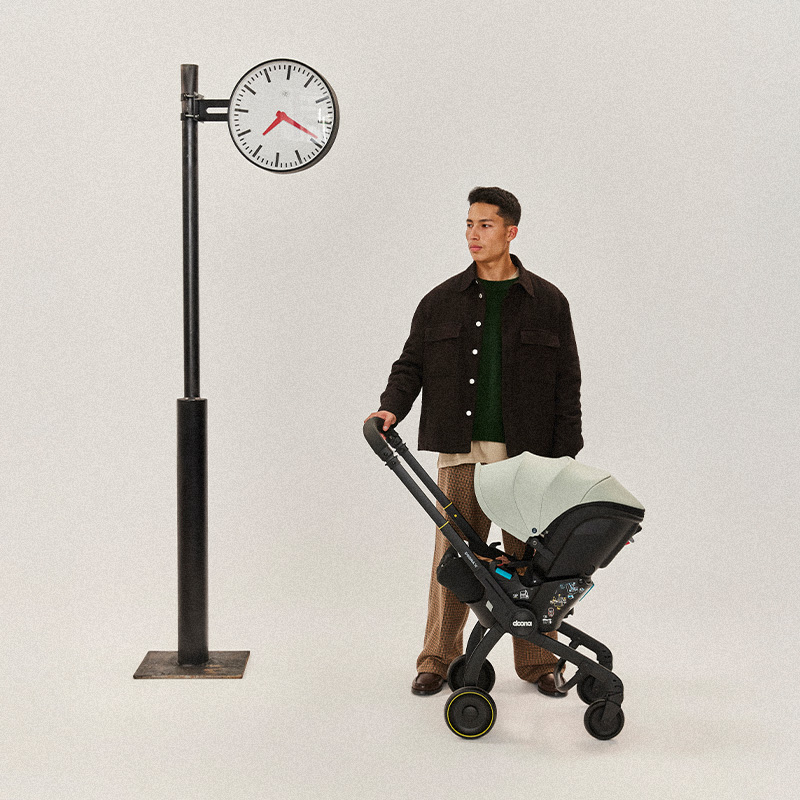
The Doona's weight limit is 35 pounds, but most babies hit the 32-inch height limit long before that. Realistically, you're looking at 9 to 15 months of use for the average baby. Then you need to buy both a new car seat and a new stroller, because the Doona was both. That $550 "savings" starts looking a lot less appealing when you're shopping for two replacement products before your child's first birthday.
Not Built for Terrain or Tall Parents
The Doona sits low to the ground with a short handle. If you're over 5'10", prepare to hunch. One parent said, "I'm on the taller side and it felt like we were hunched over." The small wheels and lack of suspension mean gravel, cobblestone, grass, and rough sidewalks are essentially off-limits. This is a smooth-pavement-only product.
Counterfeit Warning
This is serious. There is a massive counterfeit Doona problem. Fake units sold through unauthorized sellers have been crash-tested and they "shatter into pieces upon impact." Legitimate Doonas have "Doona+" printed on the handle and cost around $550 — they are rarely discounted more than 10% off. If you see a Doona for $200 on a random website, it's fake. Only buy from authorized retailers.
Safety Record
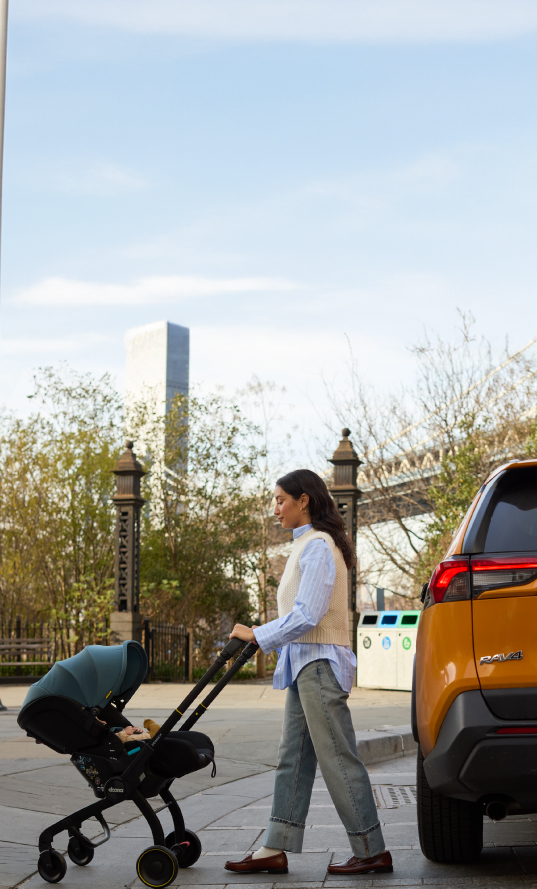
The Doona meets FMVSS 213 federal safety standards and is NHTSA compliant. There have been no formal recalls of the legitimate product. The handle doubles as an anti-rebound bar, which is a genuine safety feature.
That said, independent testing paints a more nuanced picture. In BabyGearLab's commissioned crash tests, the Doona scored below average for crash protection, with higher-than-average head and chest sensor readings compared to other seats in their 15-seat test group. Consumer Reports categorizes its crash protection as "Better," not "Best." These results don't mean the Doona is unsafe — it passes all required federal standards — but several competitors scored higher in independent testing.
The base lacks a load leg, which is increasingly considered a baseline safety feature on premium infant seats. And the counterfeit issue isn't just a consumer fraud problem — it's a safety crisis. Fake Doonas that look convincing from the outside literally fall apart in crashes.
Who Should Buy This
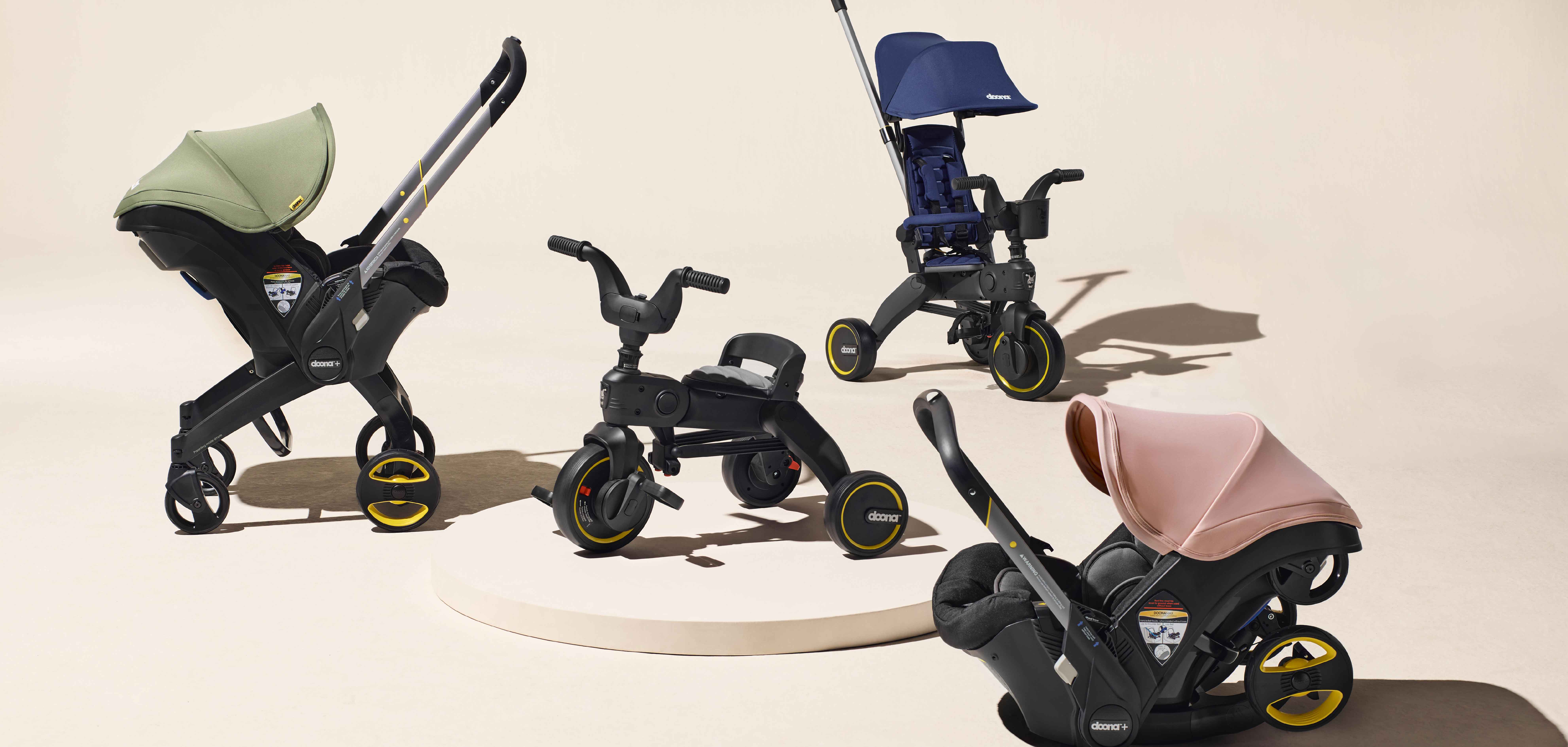
- City parents who rely on rideshare, Uber, or taxis — this is the Doona's killer use case, and nothing else comes close
- Frequent fliers — FAA-approved, no stroller to gate-check, one piece of gear from curb to cruising altitude
- Parents who want one piece of gear for quick errands — grocery run, coffee shop, pediatrician visit, done
- Apartment dwellers with no storage space — eliminates a separate stroller from your already-cramped closet
- Parents of 3+ kids who already own a full-size stroller — the Doona works well as a secondary "quick trips" option
Who Should Skip It
- Parents who prioritize top crash test scores — lighter competitors with load legs scored higher in independent testing
- C-section recovery — you cannot safely lift 30+ pounds for 4-6 weeks post-surgery, and the Doona has no lightweight alternative
- Tall parents — the short handle means constant hunching for anyone over 5'10"
- Anyone who needs a full-featured daily stroller — no storage basket, no cup holders, tiny canopy
- Parents who want longevity — outgrown by 9-15 months, then you're buying both a new car seat and a new stroller
- Rough terrain users — small wheels, no suspension, smooth pavement only
- Parents of small or preemie babies — the lowest harness height sits at 7 inches, which may not fit very small newborns properly
How It Compares
vs UPPAbaby Mesa/ARIA + Vista/Cruz: The ARIA weighs just 5.9 pounds — nearly a third of the Doona. Both the Mesa and ARIA include load legs and score higher in crash tests. Pair with a Vista or Cruz stroller and you get massive storage baskets, full canopies, and a system that grows through toddlerhood. Total cost runs $800-$1,400, but you're covered for years instead of months.
vs Nuna PIPA RX: At 6.2 pounds, the PIPA RX is featherlight compared to the Doona. It includes a steel stability leg, uses softer materials, and is widely praised by CPSTs. You'll need a separate stroller, but you won't be lifting three times the weight every time you leave the house.
vs Evenflo Shyft DualRide: The only other car seat/stroller combo on the market. Similar price point. BabyGearLab actually ranked it higher than the Doona in crash tests. And it lets you separate the car seat from the stroller frame, so you can carry just the seat when you need to. Worth a serious look if the combo concept appeals to you.
vs Chicco KeyFit 30 + frame stroller: The budget reality check. A KeyFit 30 plus a compatible frame stroller runs $200-$300 total, scores better in crash tests, and weighs significantly less. You lose the one-piece convenience, but you gain better safety performance and an extra $250-$350 in your pocket.
The Price Verdict
A typical infant car seat runs $200-$400. A stroller runs $200-$800. So $550 for both-in-one sounds like a deal — until you do the timeline math. Most babies outgrow the Doona by 9-15 months. Then you need both a convertible car seat ($200-$500) and a full-size stroller ($200-$800). Your total spend ends up higher than if you'd bought a traditional travel system that lasted into toddlerhood.
The math works best for rideshare and travel families where the convenience factor justifies the short window. If you're taking 3-4 Ubers a week or flying monthly with a baby, the Doona could save you more in sanity than it costs in dollars. But for suburban families who primarily drive their own car, the value proposition falls apart quickly.
The Bottom Line
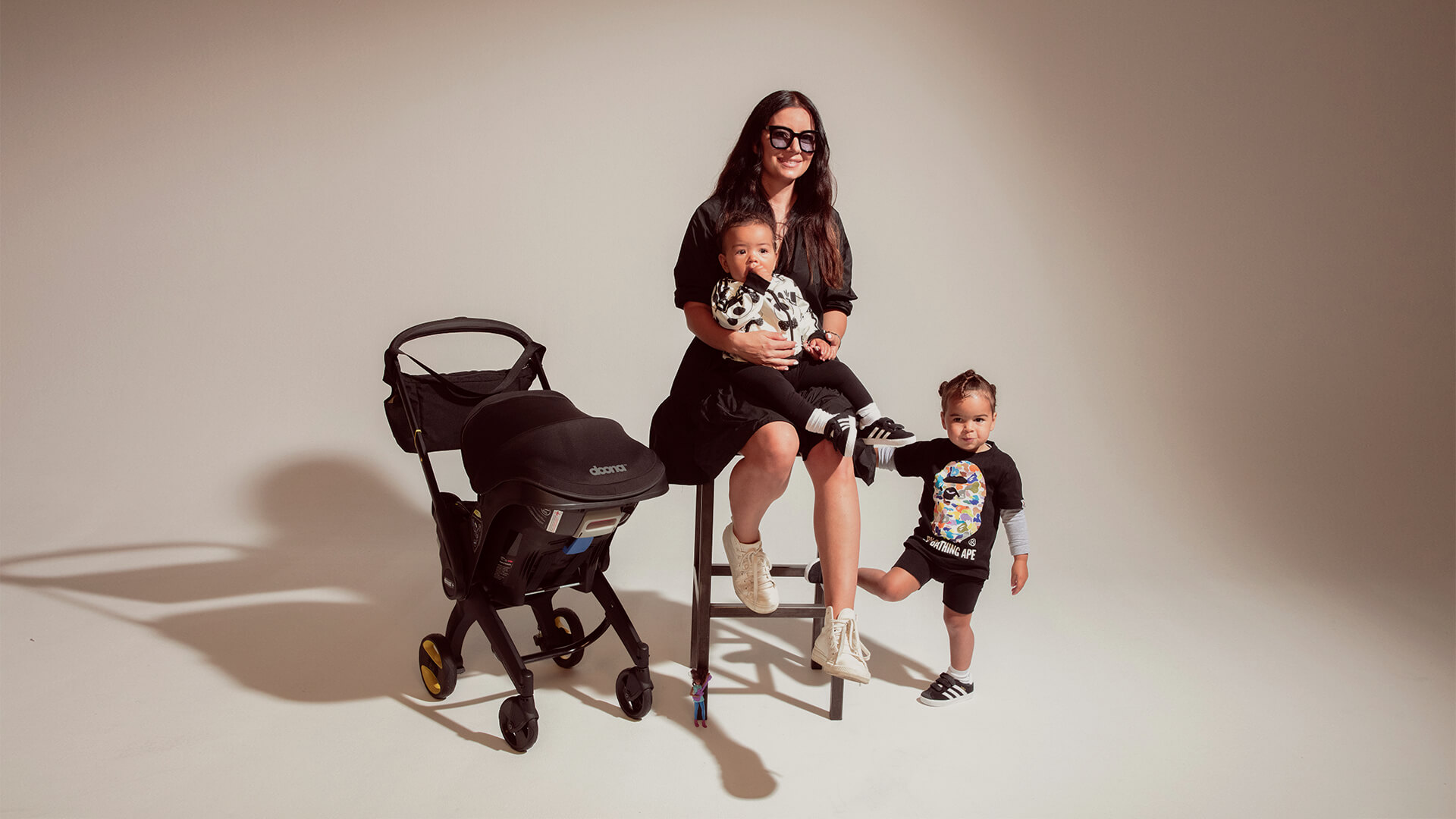
Shop the Doona Car Seat & StrollerThe Doona solves one problem better than anything else on the market: the car-to-sidewalk transition. For city parents and frequent travelers, that's worth $550. But the below-average independent crash test scores, the weight, the tiny canopy, the lack of storage, and the 9-15 month usability window mean this is a convenience product first. If your top priority is the highest crash test scores, lighter competitors with load legs scored higher in independent testing. If your top priority is never wrestling a stroller and car seat separately, nothing else comes close.
FAQ
Is the Doona safe?
The Doona passes all required U.S. federal safety standards (FMVSS 213) and is NHTSA compliant, so it meets every legal safety requirement. In independent crash testing commissioned by BabyGearLab through MGA Research, it scored below average compared to other infant seats in their test group. Consumer Reports rates its crash protection as "Better" (middle tier), not "Best." The Doona is safe to use — but several lighter, less expensive seats scored higher in these independent evaluations.
How long can you use the Doona?
Officially, the Doona accommodates babies from 4 to 35 pounds with a height limit of 32 inches. In practice, most babies hit the height limit before the weight limit and outgrow it between 9 and 15 months. After that, you need to buy both a new convertible car seat and a separate stroller.
Can you use the Doona on an airplane?
Yes. The Doona is FAA-approved for use as an aircraft seat. You can wheel it down the jetway in stroller mode, collapse it at your row, and strap it into the airplane seat. No need to gate-check a separate stroller. This is one of its strongest selling points for families who fly frequently.
Is the Doona worth $550?
It depends on your lifestyle. For parents who regularly use rideshare services, live in a city without a car, or fly frequently with their baby, the convenience can absolutely justify the price. For suburban families who primarily drive their own vehicle, the short usability window (9-15 months) and the need to buy both a new car seat and stroller afterward make the value proposition much weaker.
Does the Doona have any storage?
No. There is no storage basket, no cup holders, and no built-in parent organizer. Doona sells a snap-on accessory bag separately, but it must be removed every time you fold the wheels back into car-seat mode. If you need to carry a diaper bag, purse, or anything else, you're on your own.
Can you use the Doona without the base?
Yes. The Doona can be installed using the European belt path for a baseless installation. This is what makes it so practical for taxis, rideshares, and airplanes. The base provides a more secure everyday installation with your vehicle's LATCH system, but it's not required.
How do you spot a fake Doona?
Legitimate Doonas have "Doona+" printed on the handle and retail for around $550 (rarely discounted more than 10%). If you see one for $200 or from an unfamiliar website, it's almost certainly counterfeit. Fake Doonas have been crash-tested and they shatter into pieces on impact. Only buy from authorized retailers like the manufacturer's website or established baby gear stores.
What do you need after your baby outgrows the Doona?
Both a new car seat and a new stroller. Because the Doona is an all-in-one unit that doesn't separate, you can't keep using part of it. Once your baby outgrows the infant seat (typically by 9-15 months), the whole thing is done. Budget for a convertible car seat ($200-$500) and a full-size stroller ($200-$800) as your next purchases.