

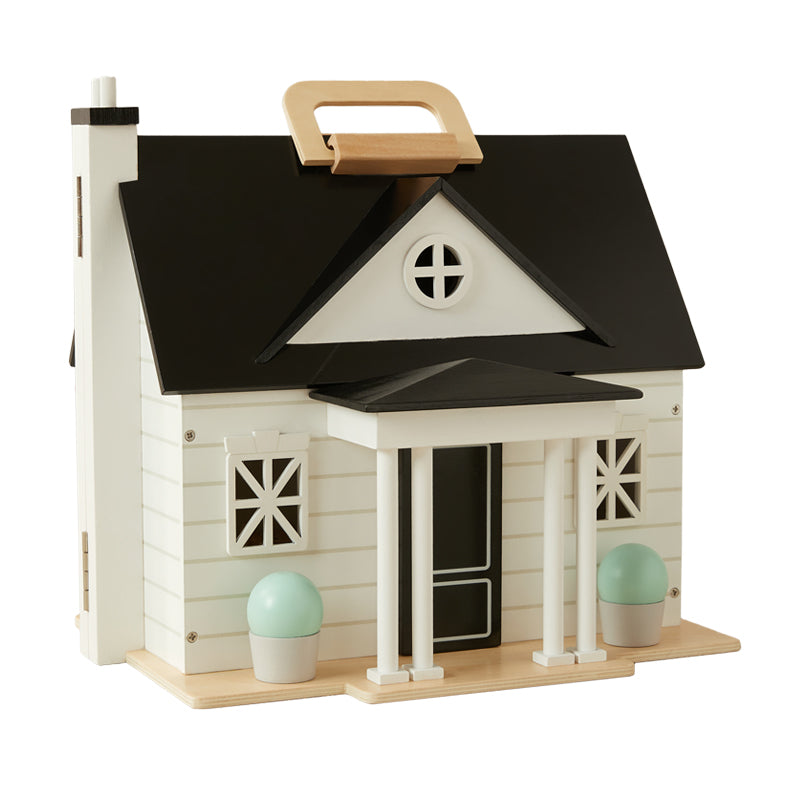
Dollhouses
Dollhouses and dollhouse furniture from Plan Toys, Tender Leaf, and Green Elephant — complete room sets, characters, and Victorian pieces for small-world play, from $12.
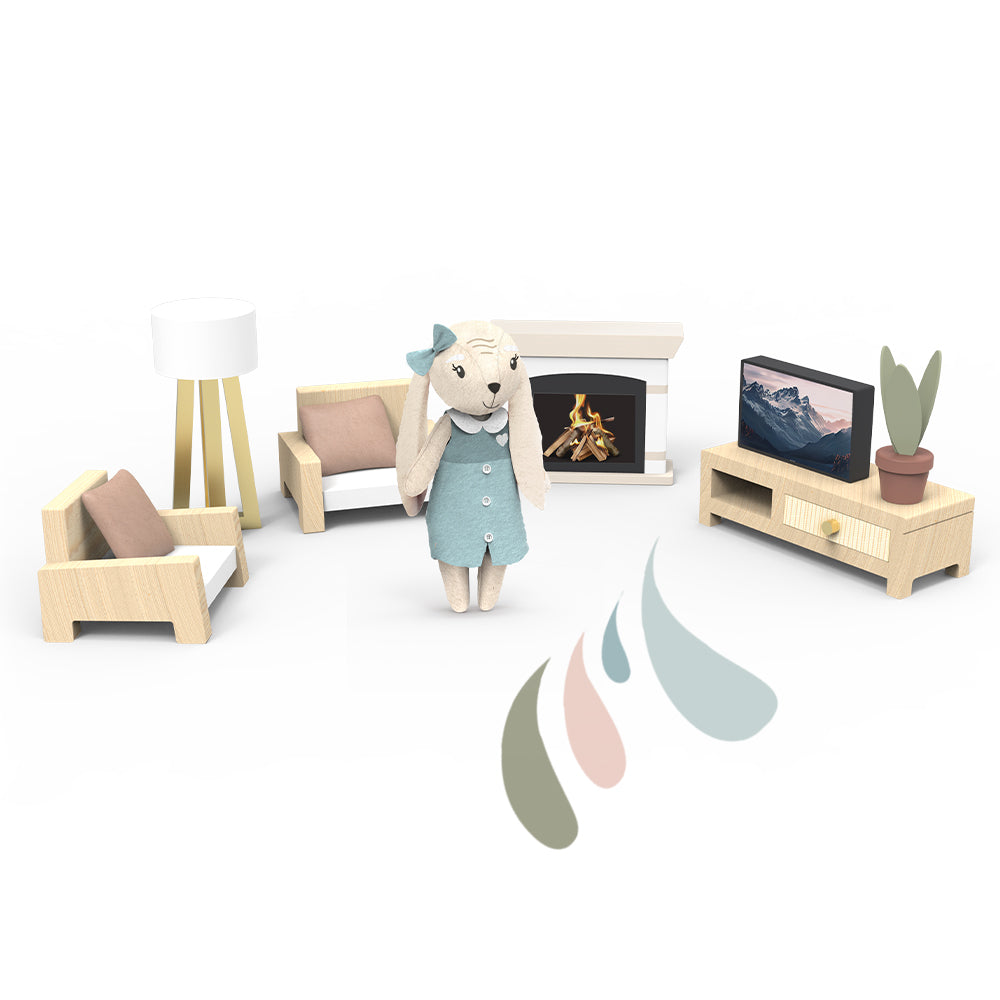
Doll House Living Room Set Incl. 1 Character

Doll House Bathroom Set Incl. 1 Character


Victorian Furniture Set
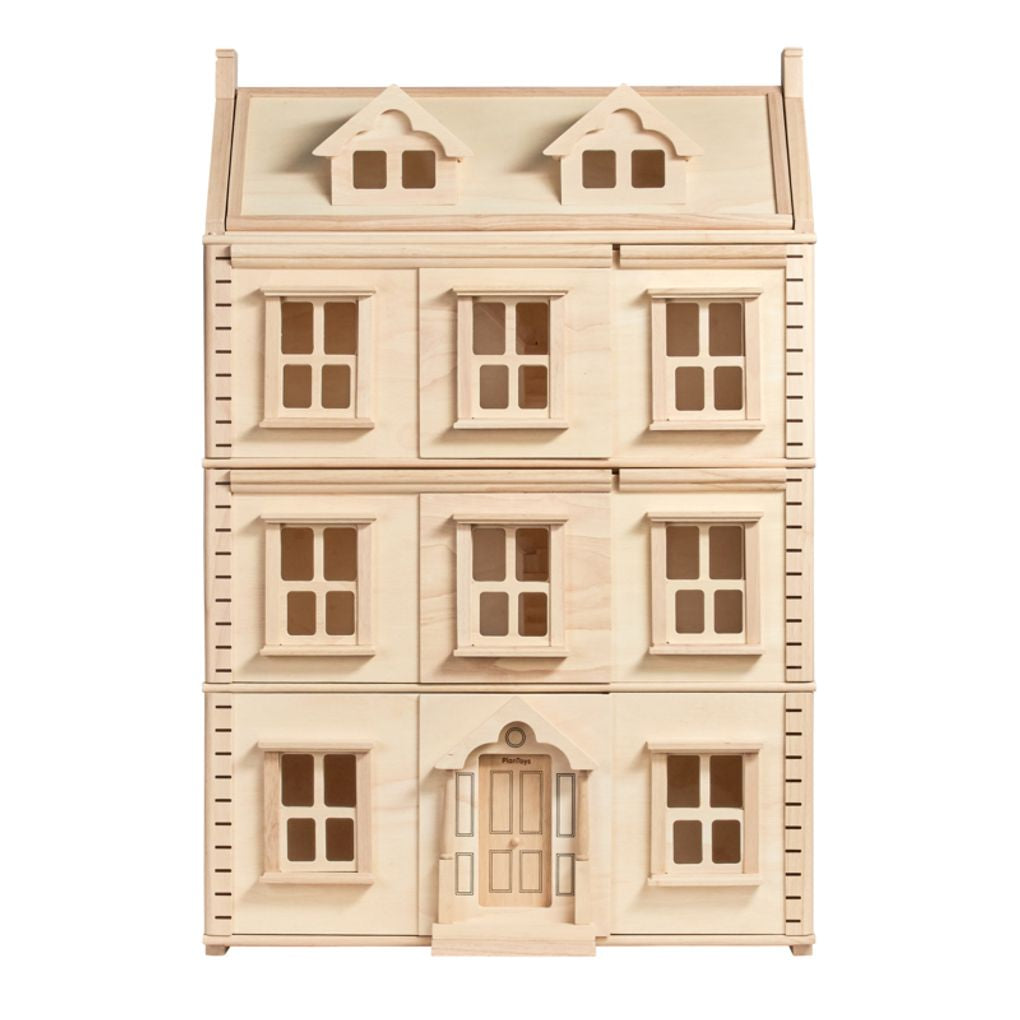
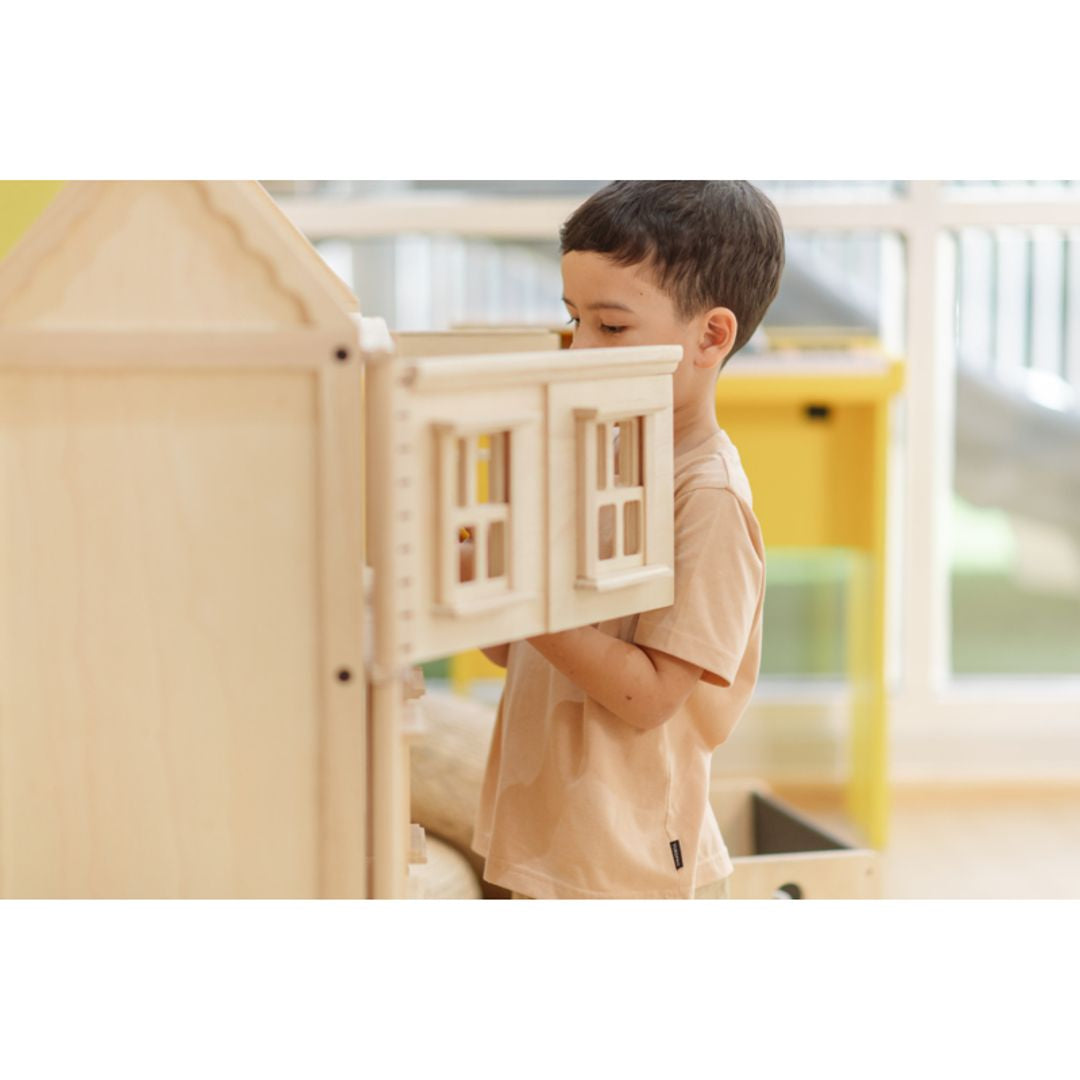
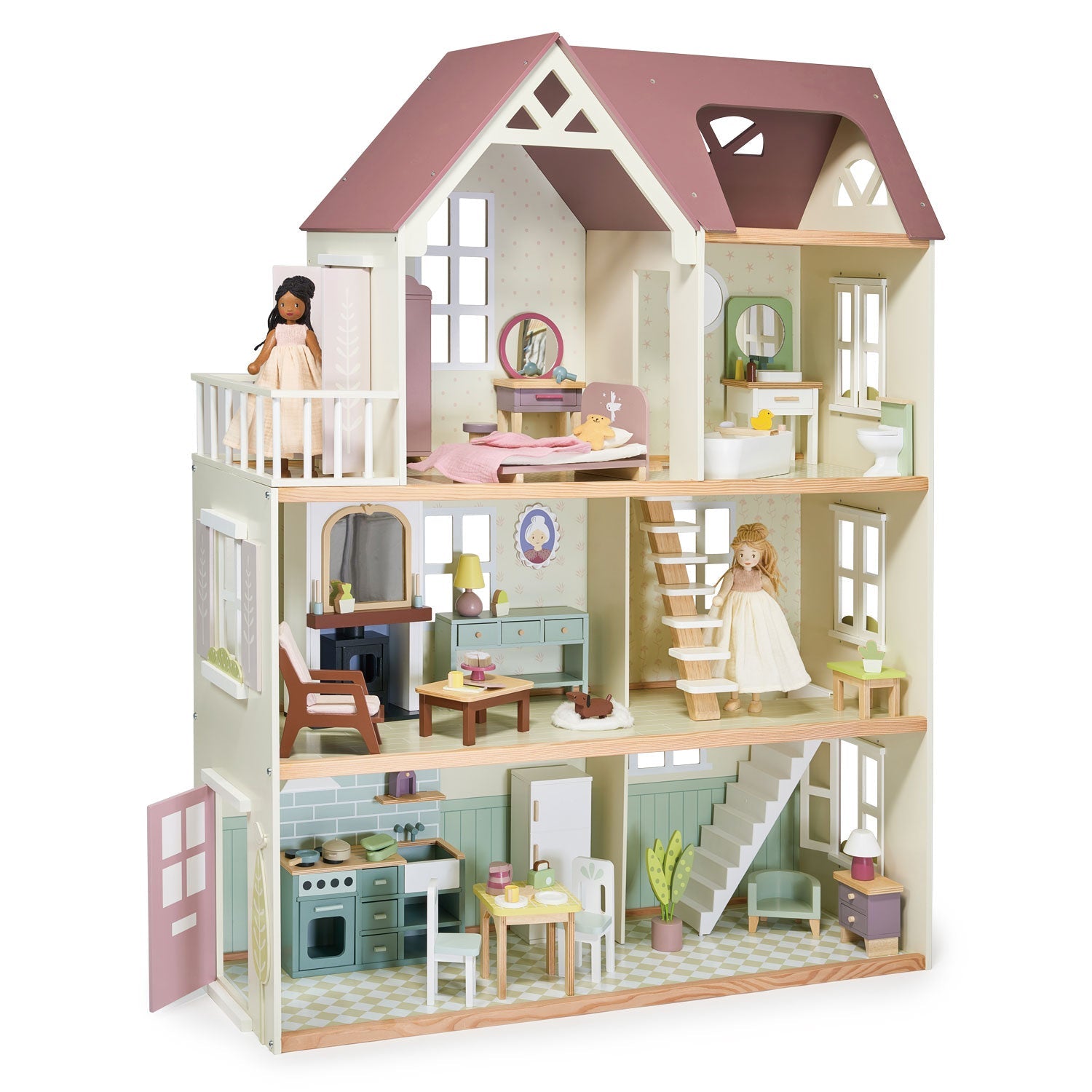
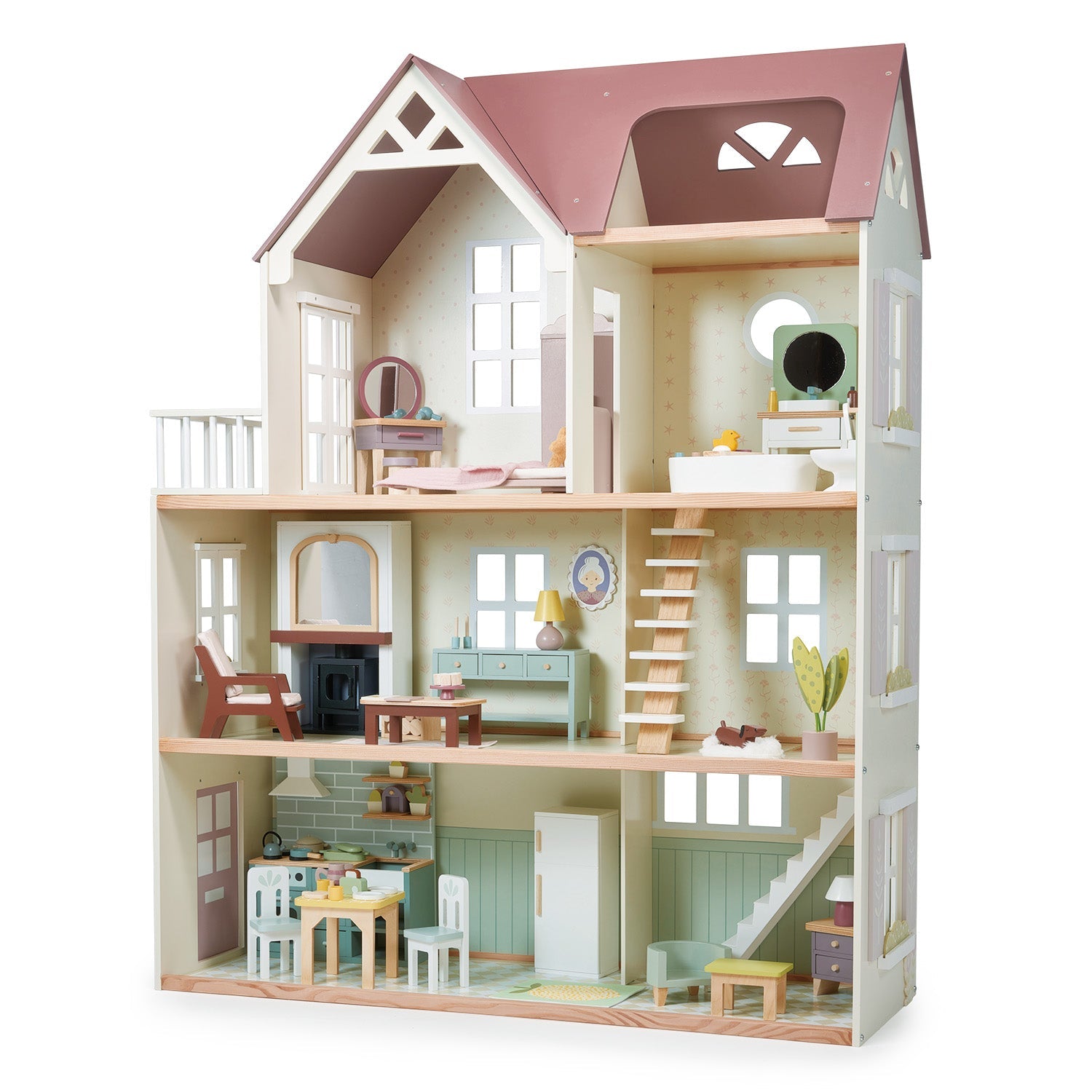
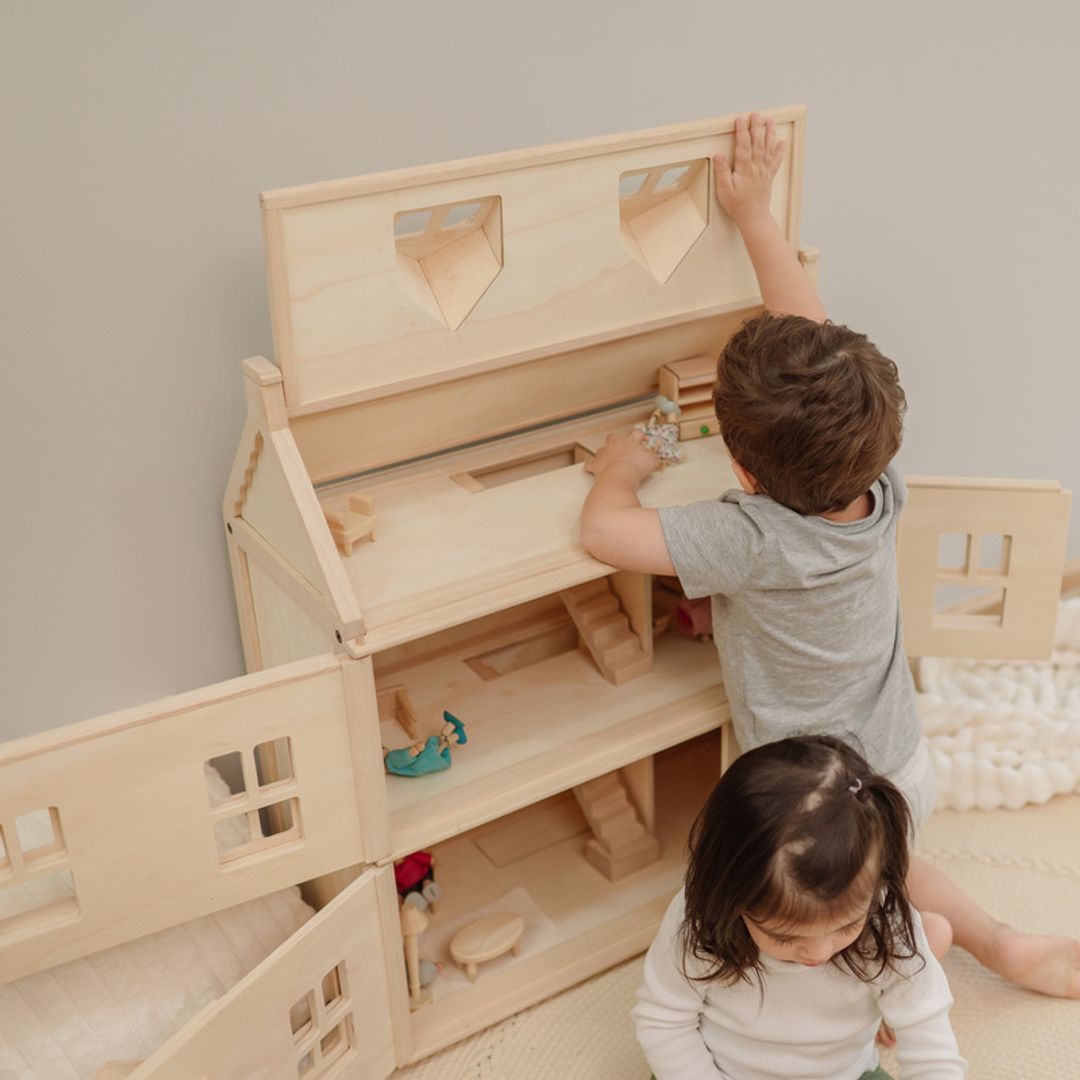
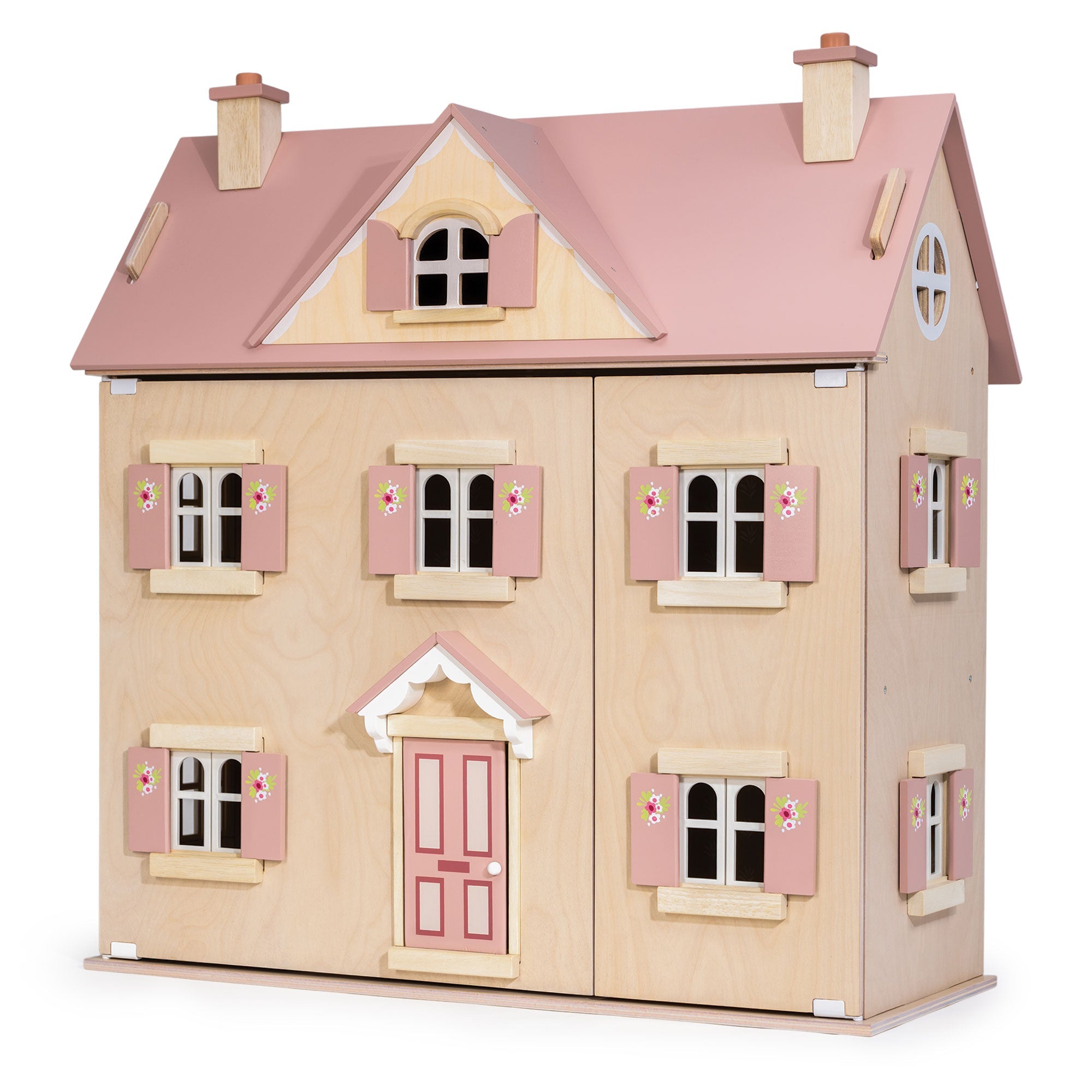
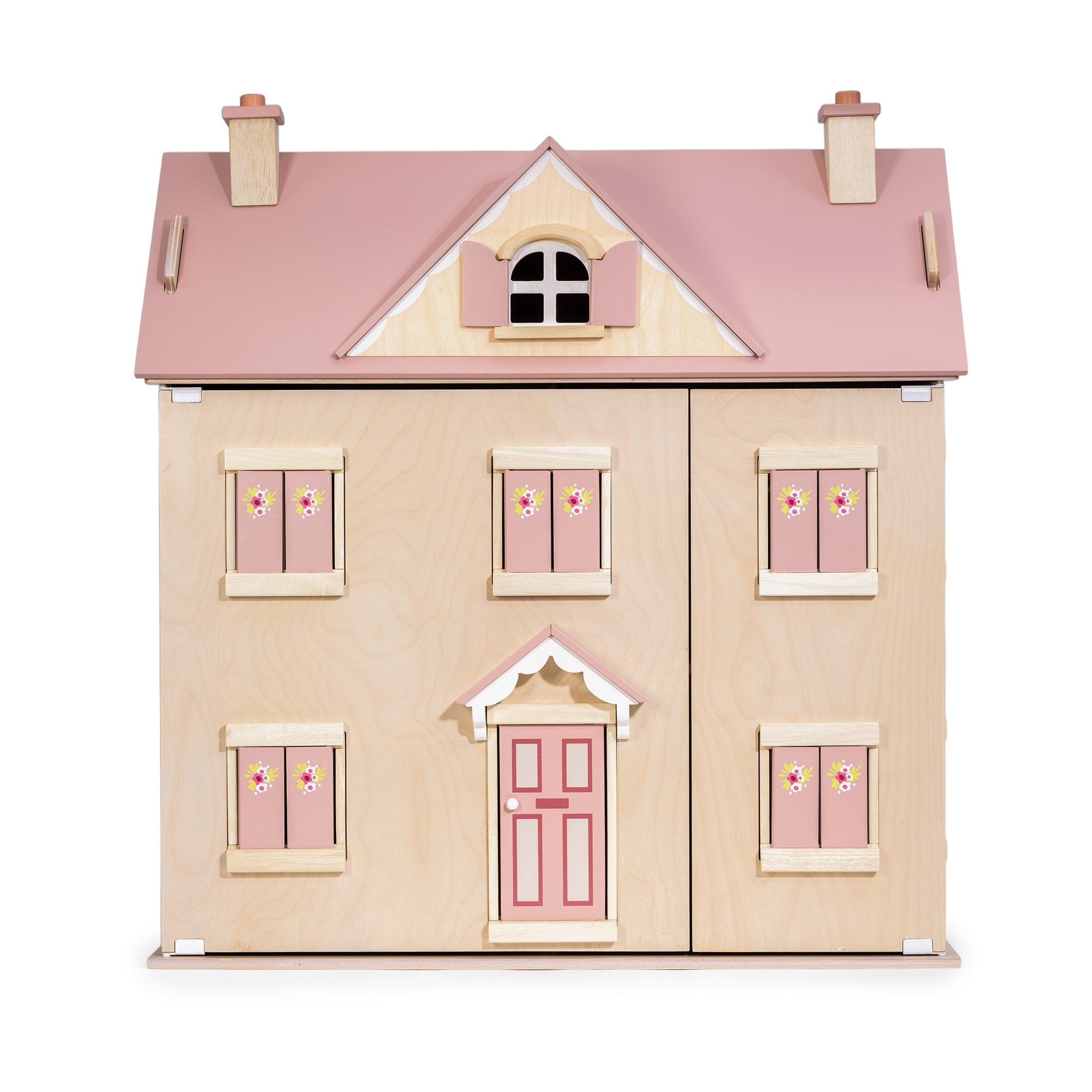
Grand Victorian Dollhouse
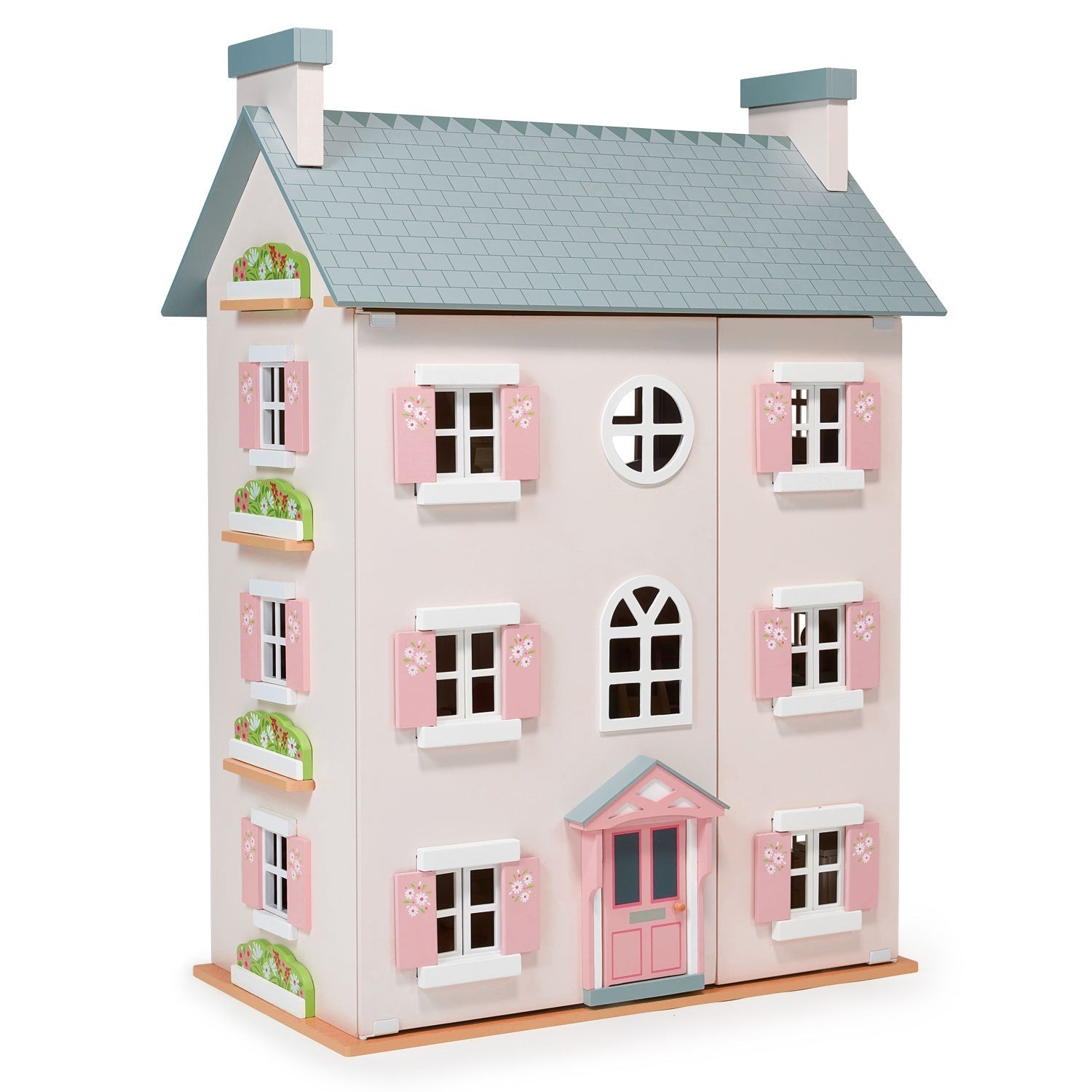
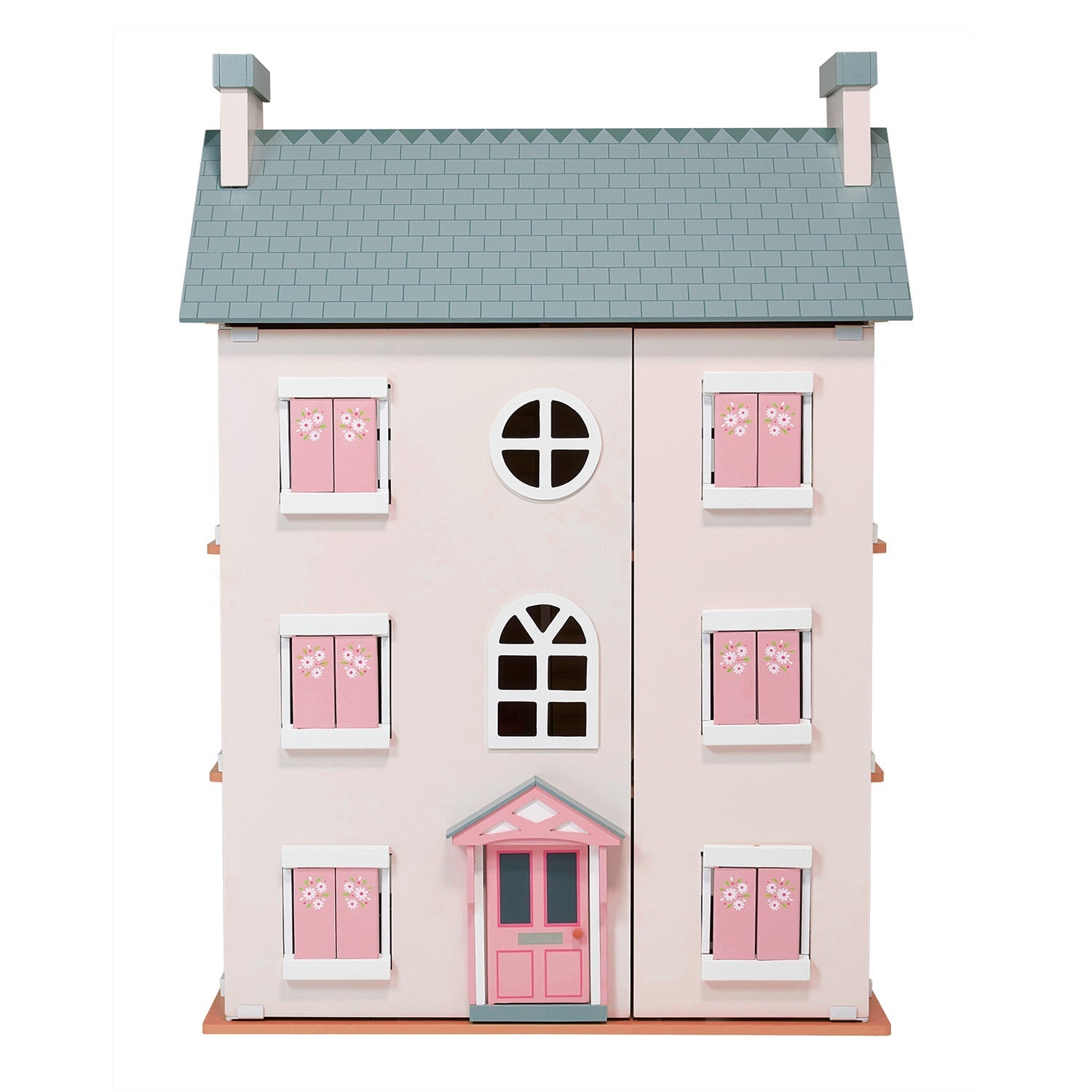


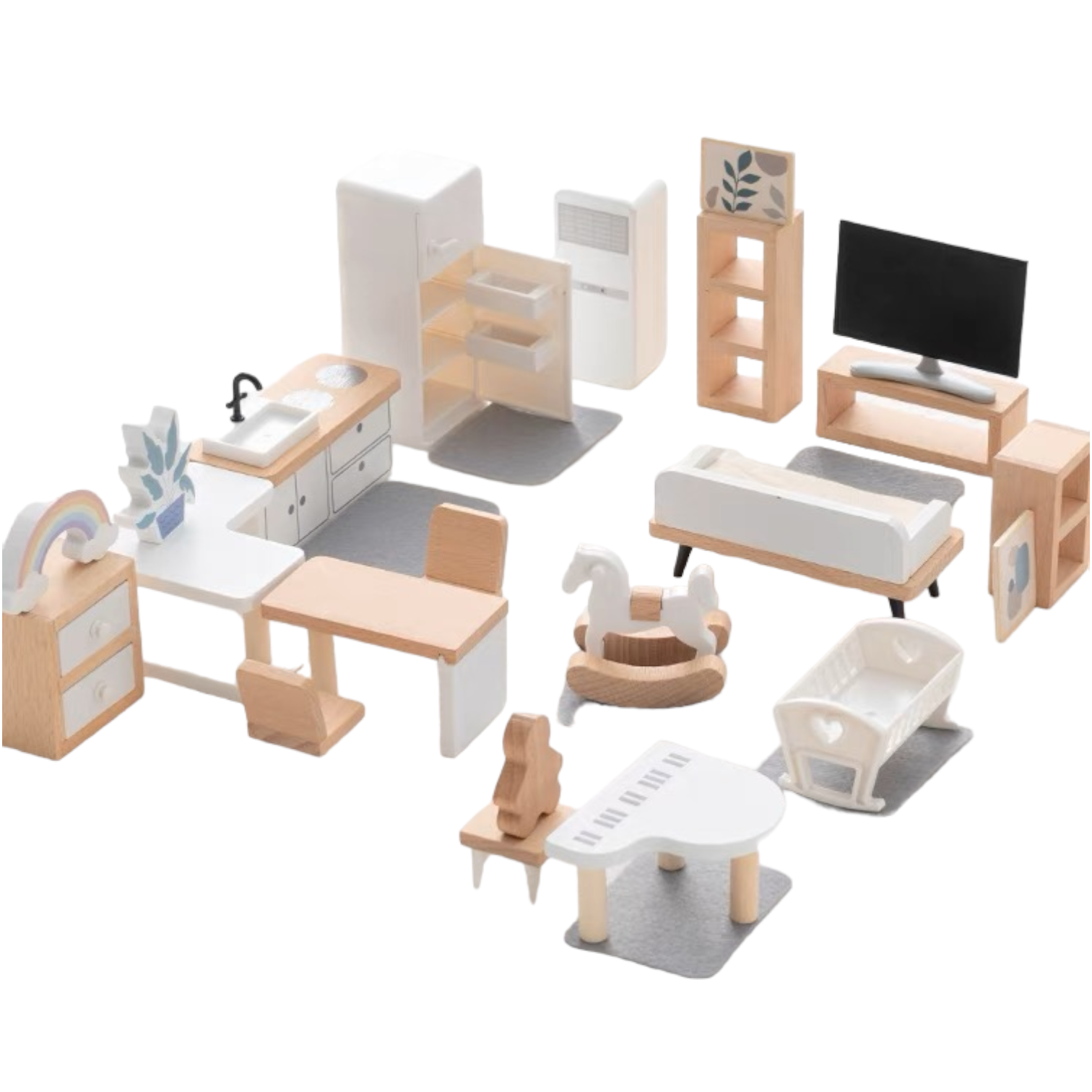
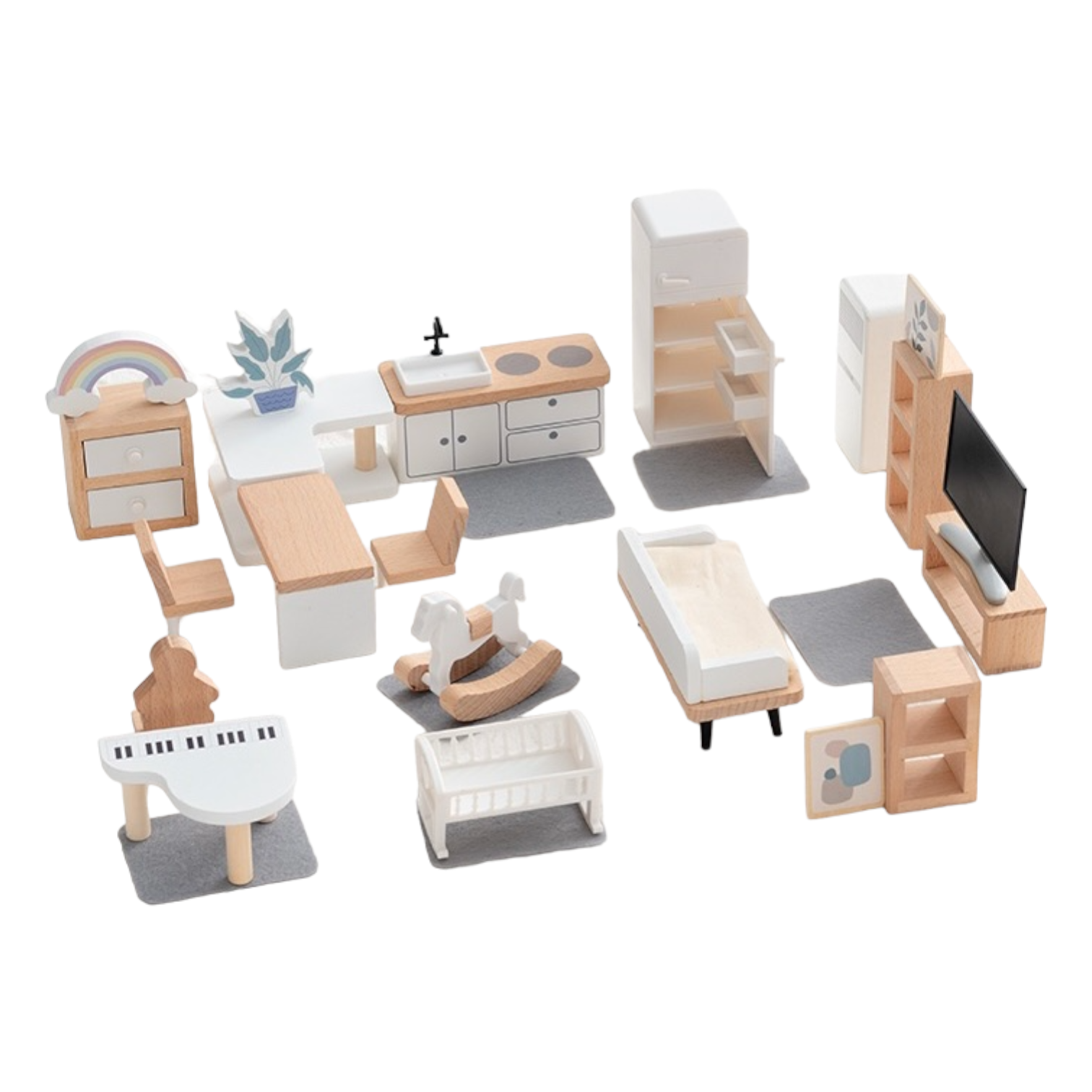
Wooden Dollhouse Furniture Toy Pretend Play Set


Doll Clothes Rack
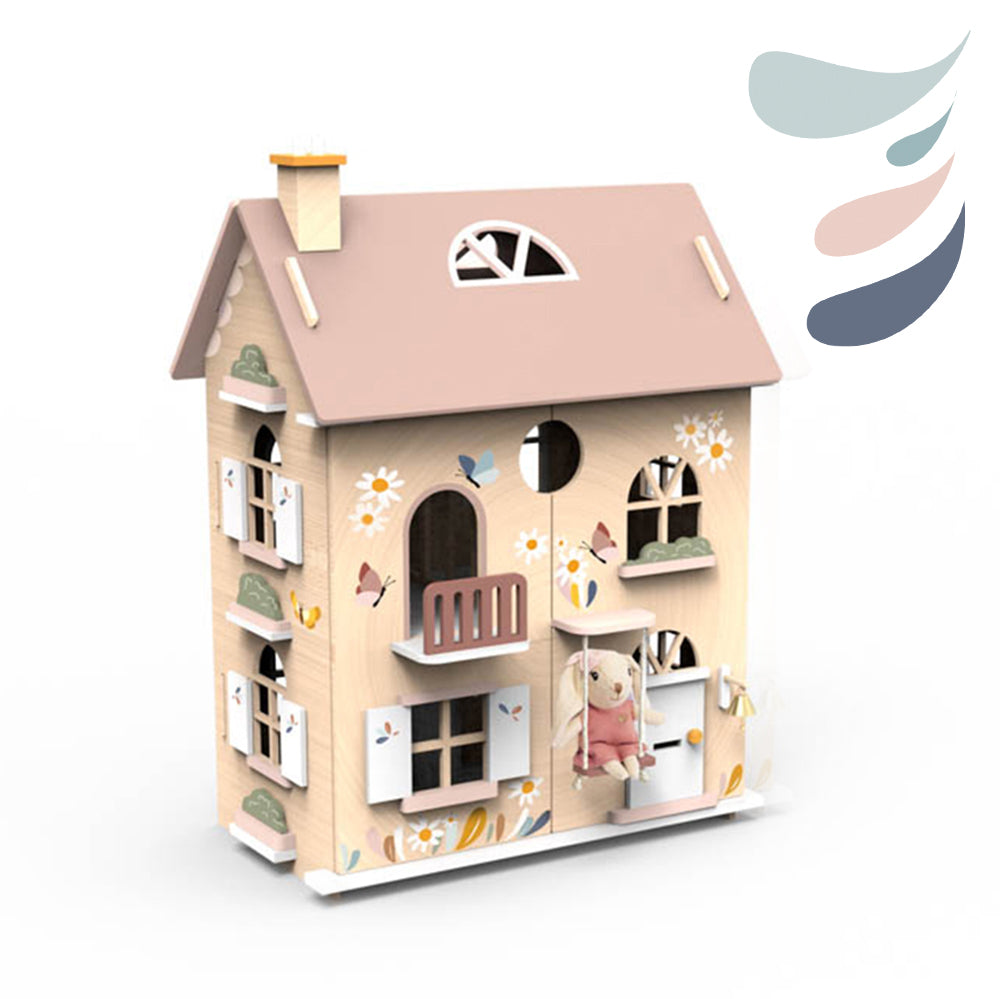
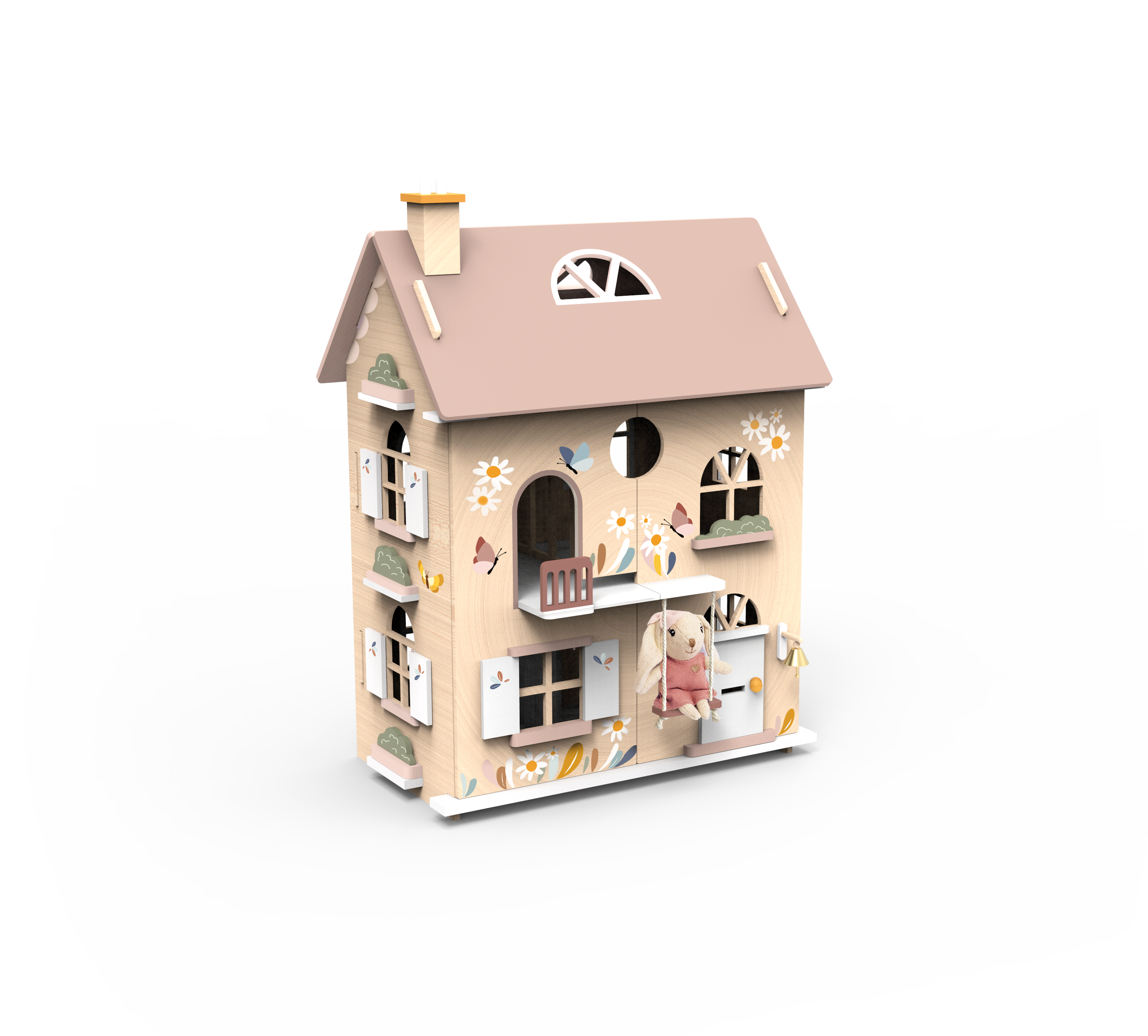
Flowers Cottage W/starter Set Incl. 1 Character
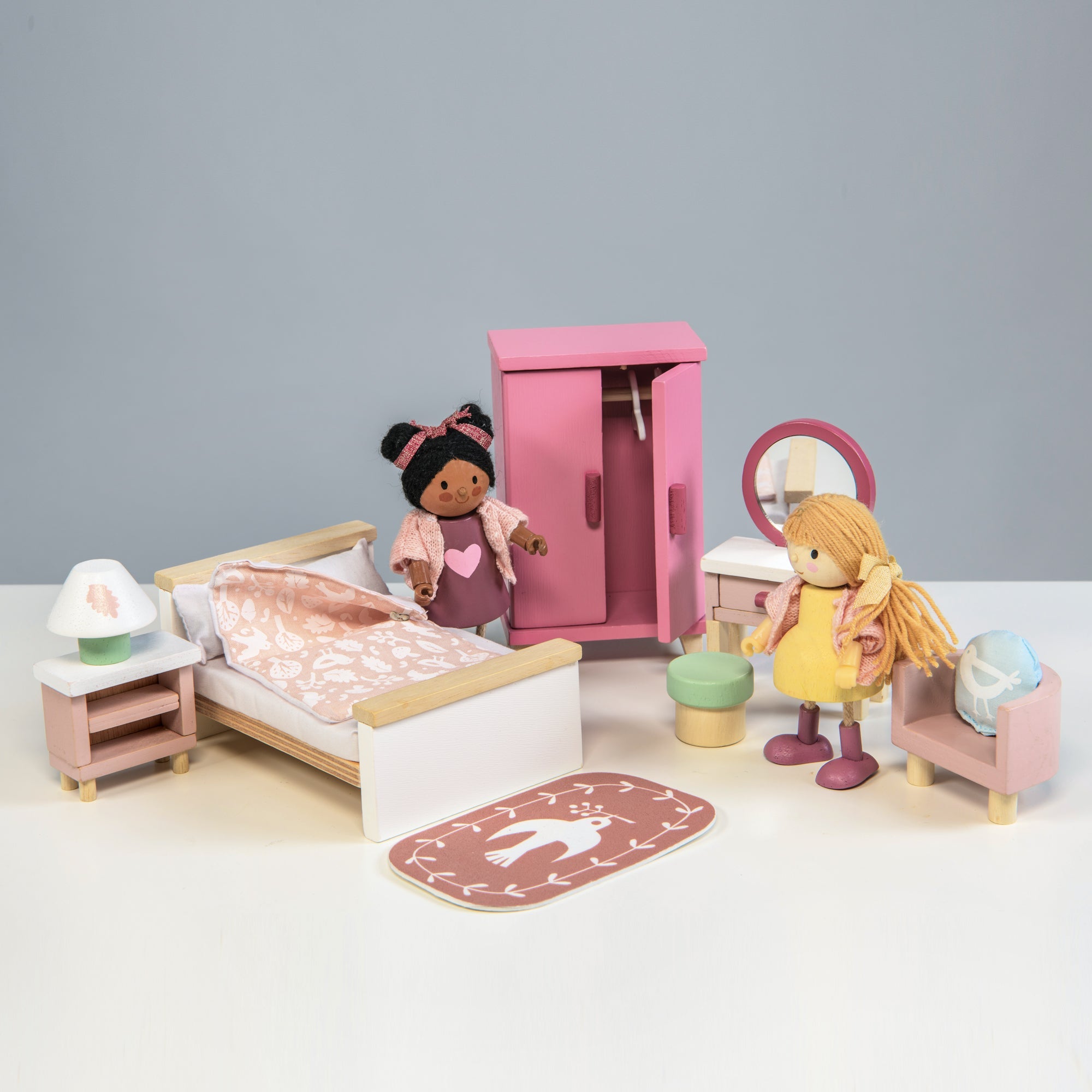
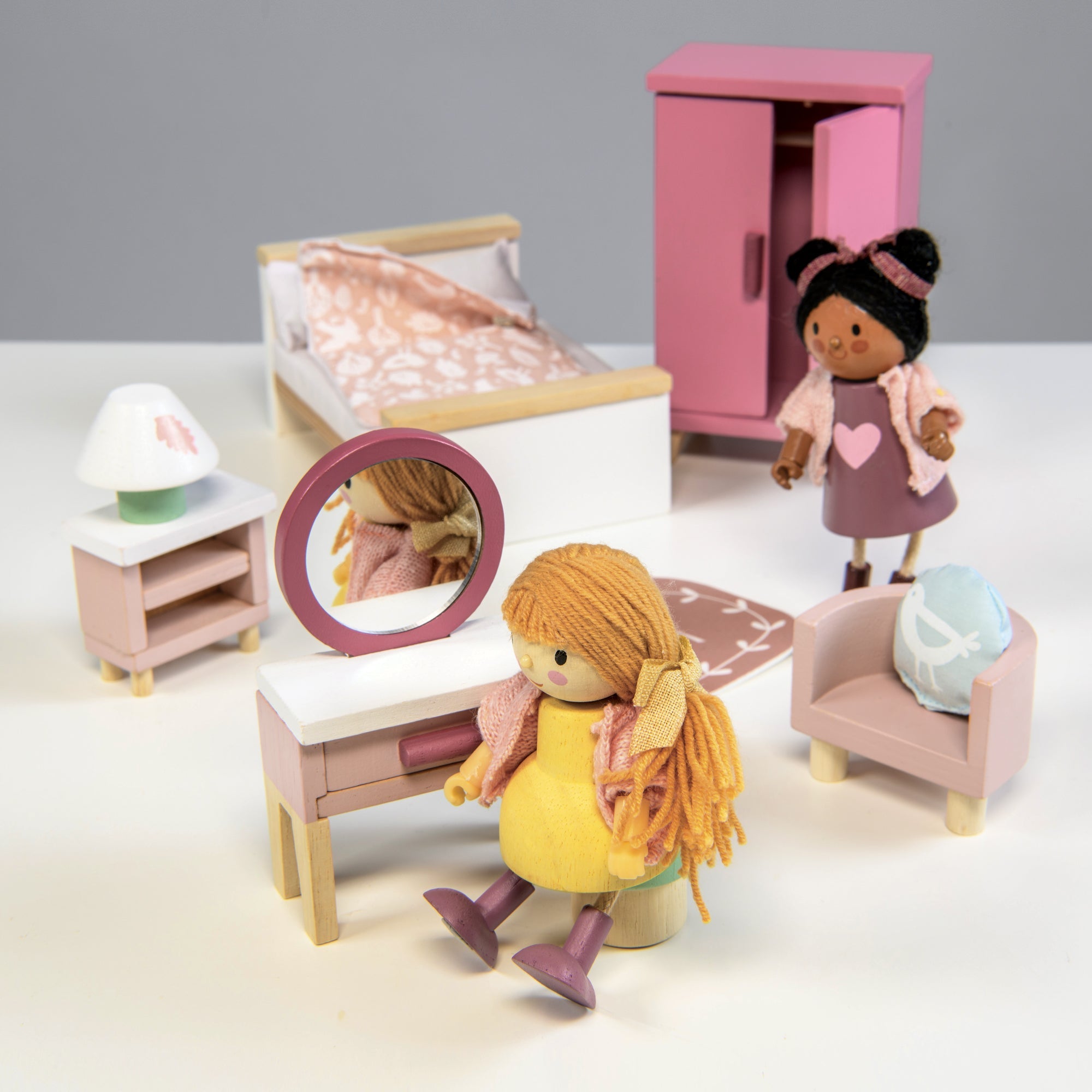
Dolls House Bedroom Furniture
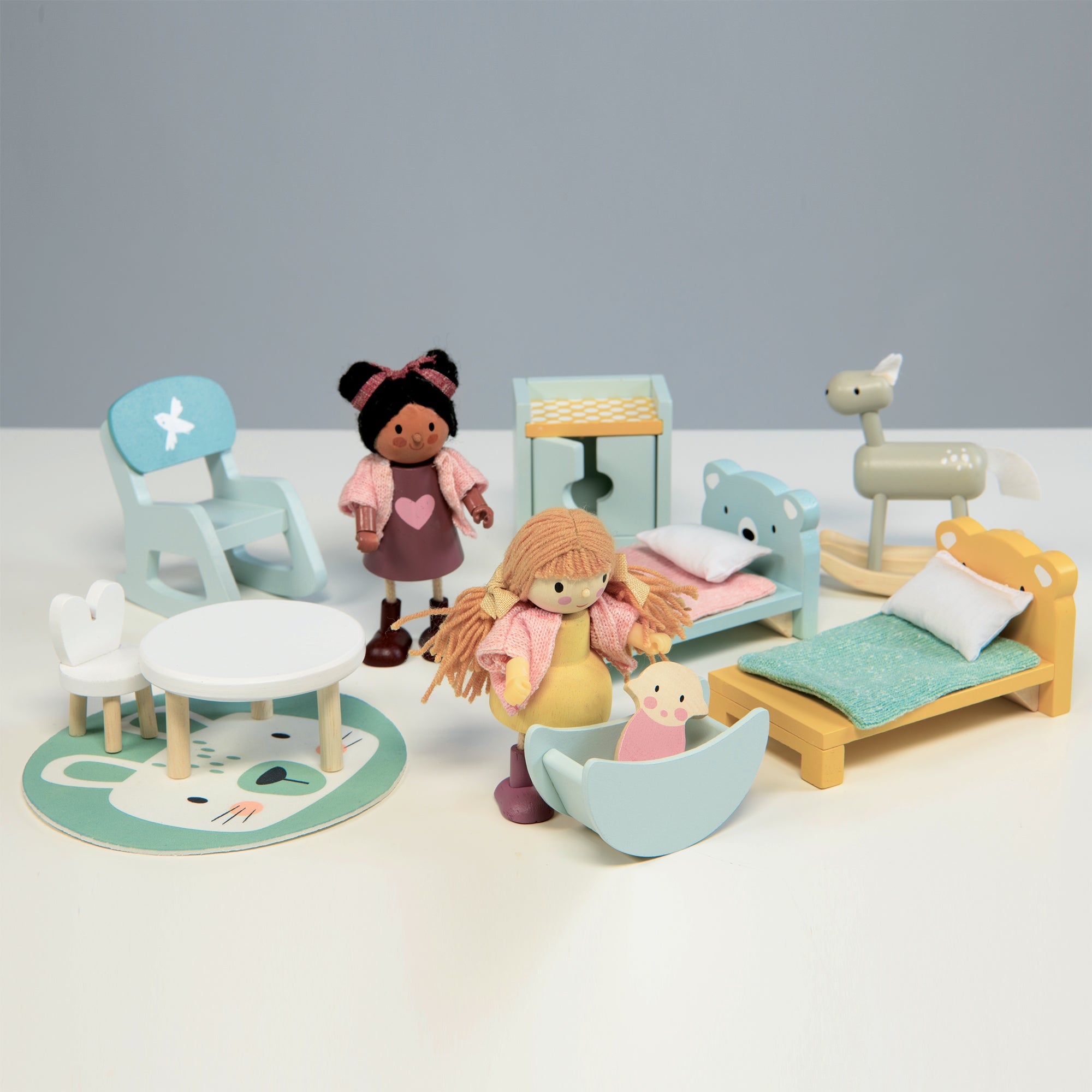
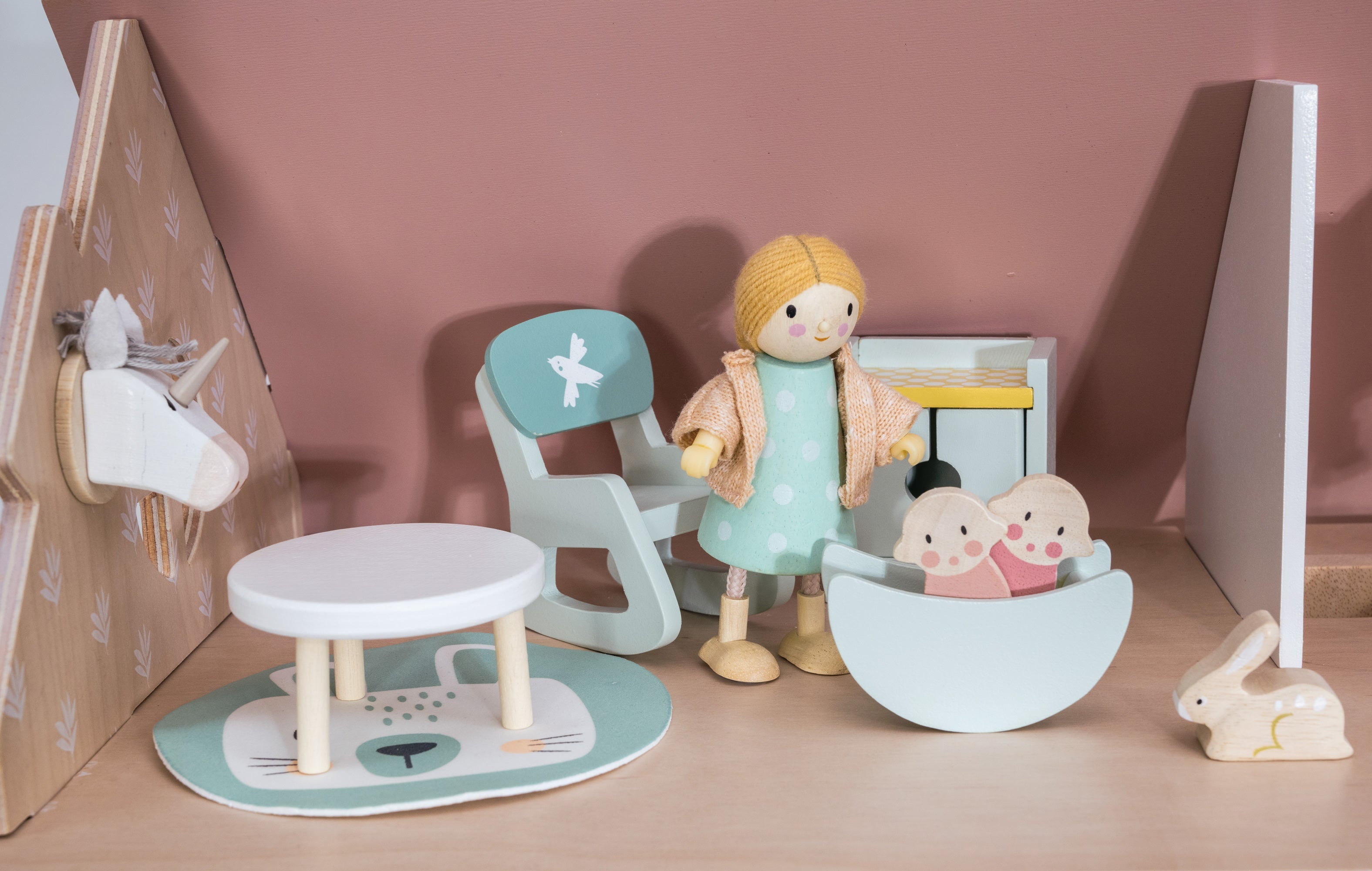
Dolls House Childrens Room Furniture
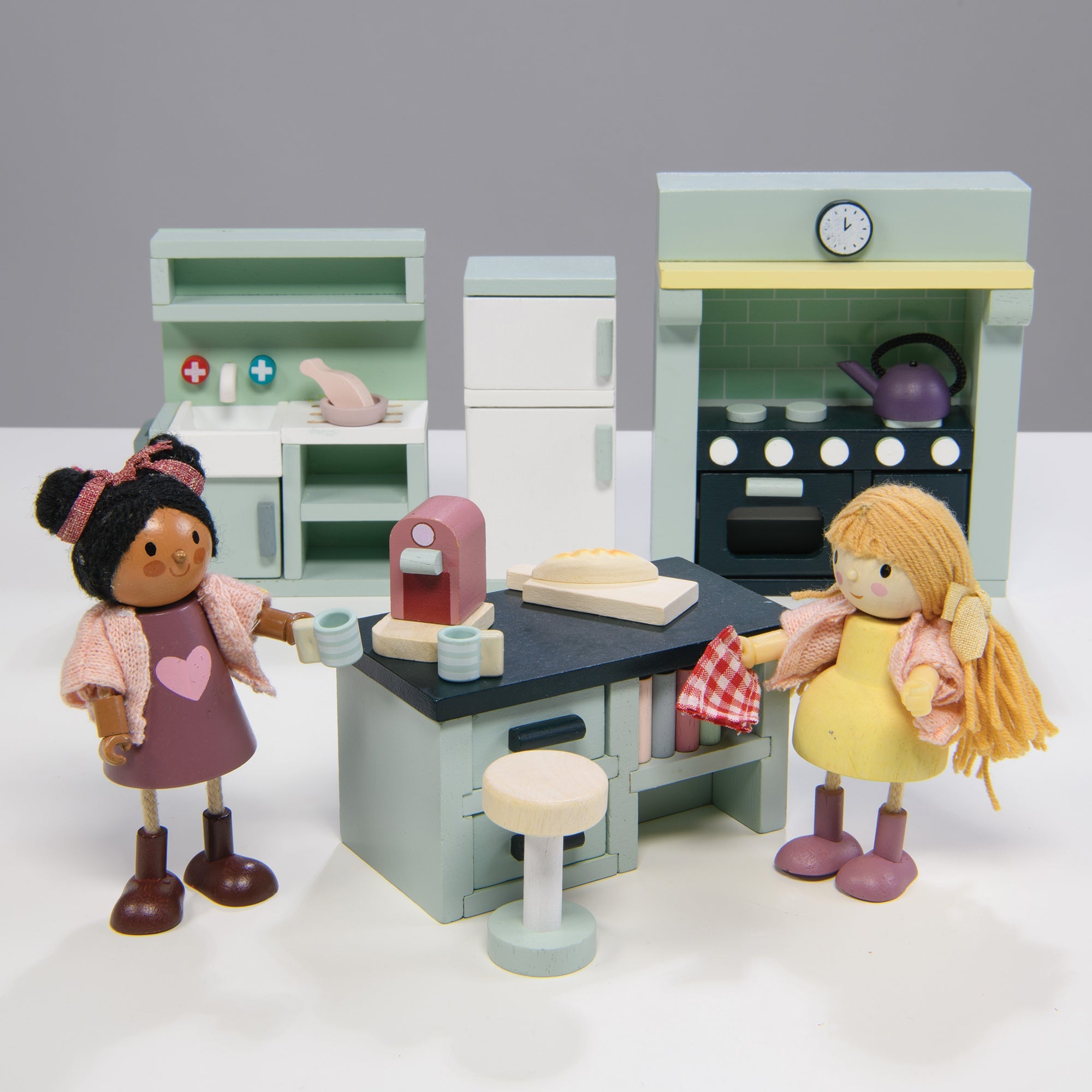
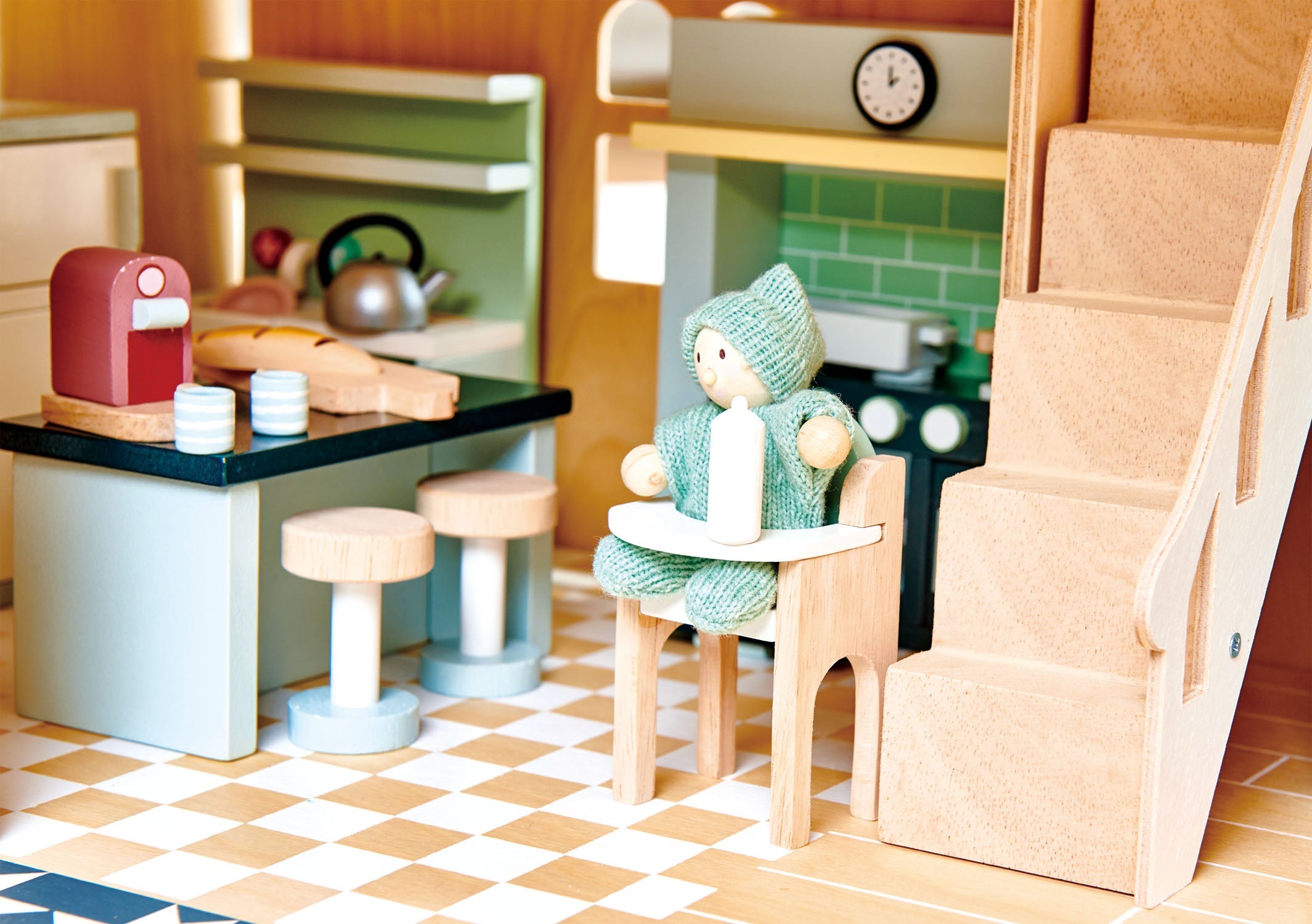
Dolls House Kitchen Furniture

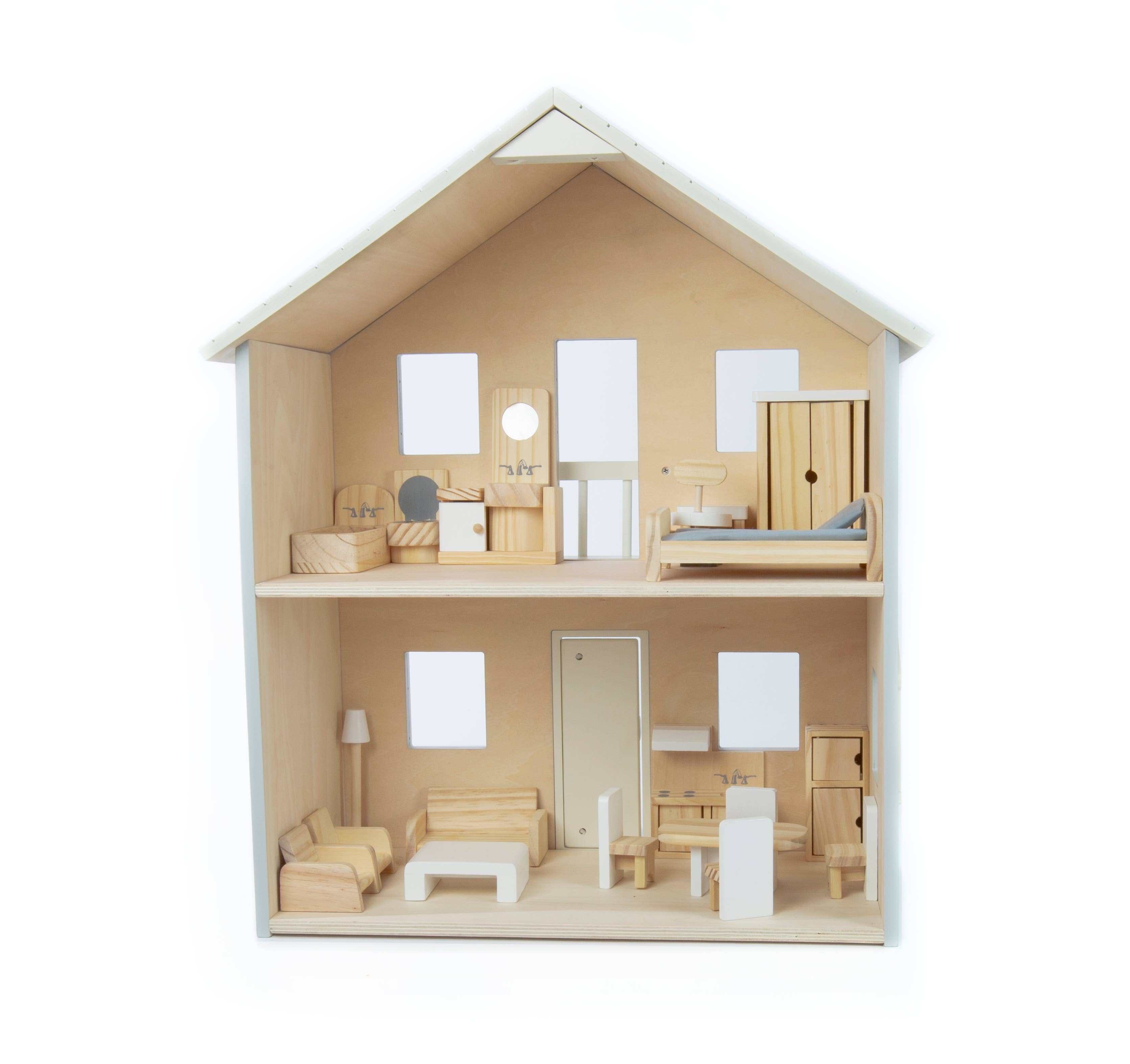
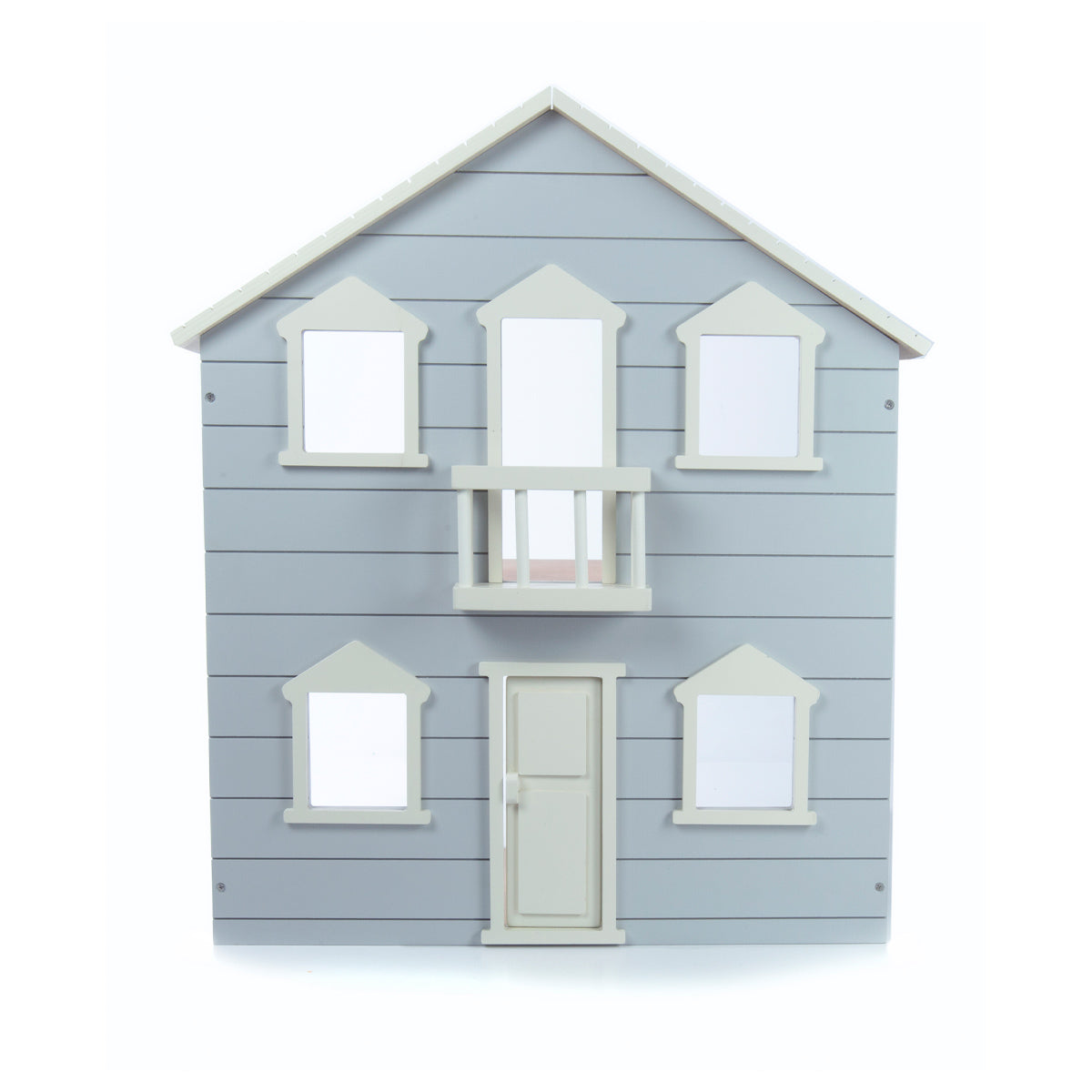
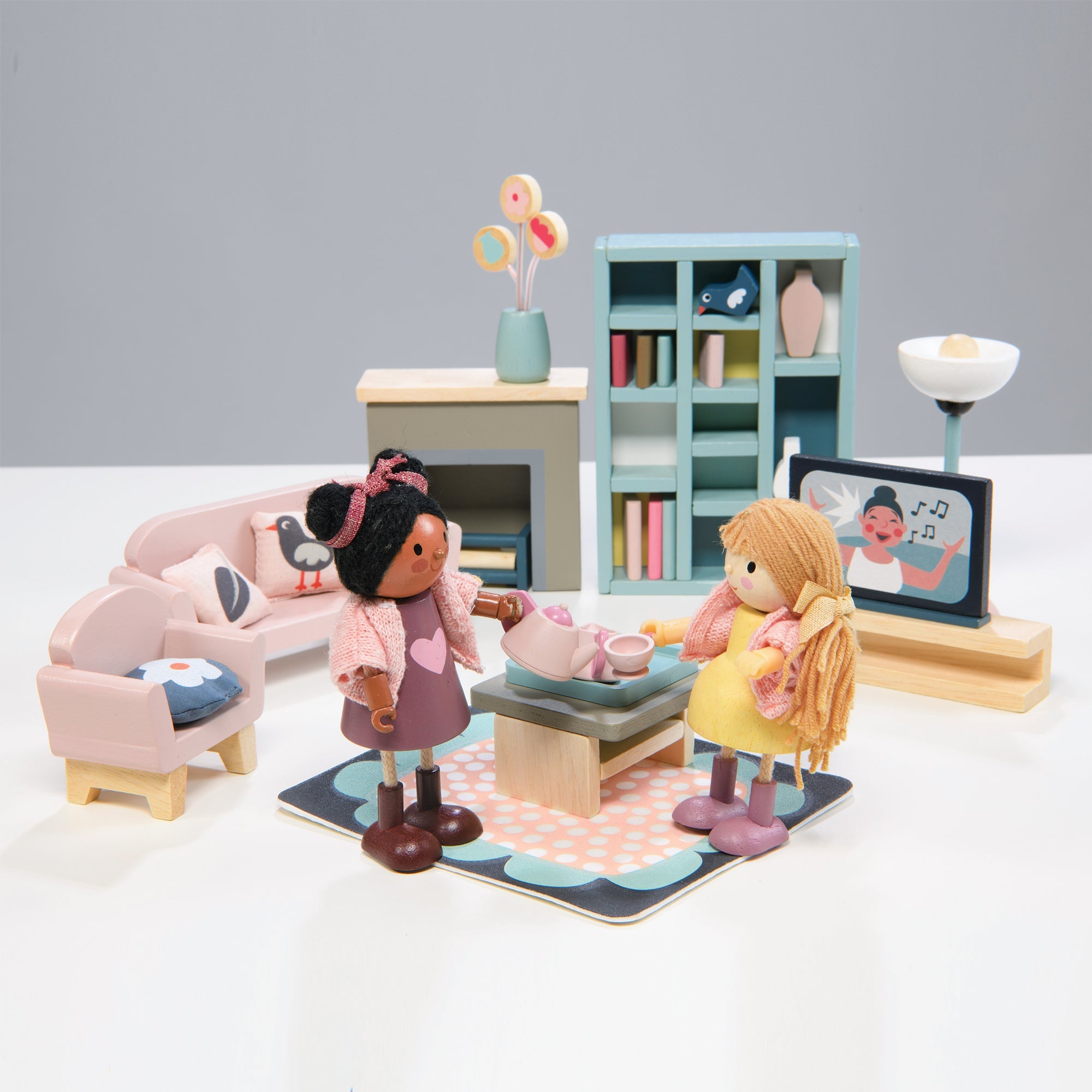
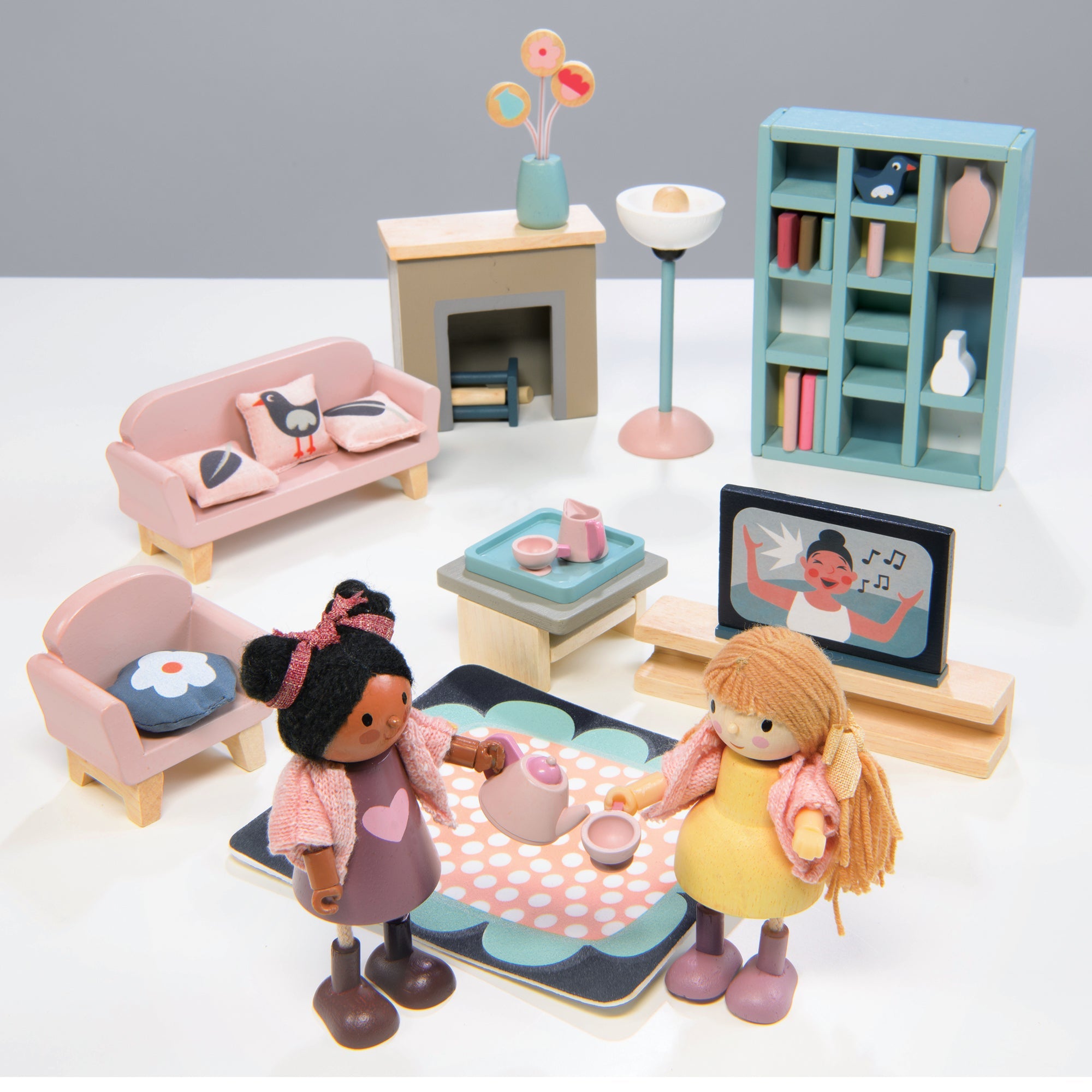
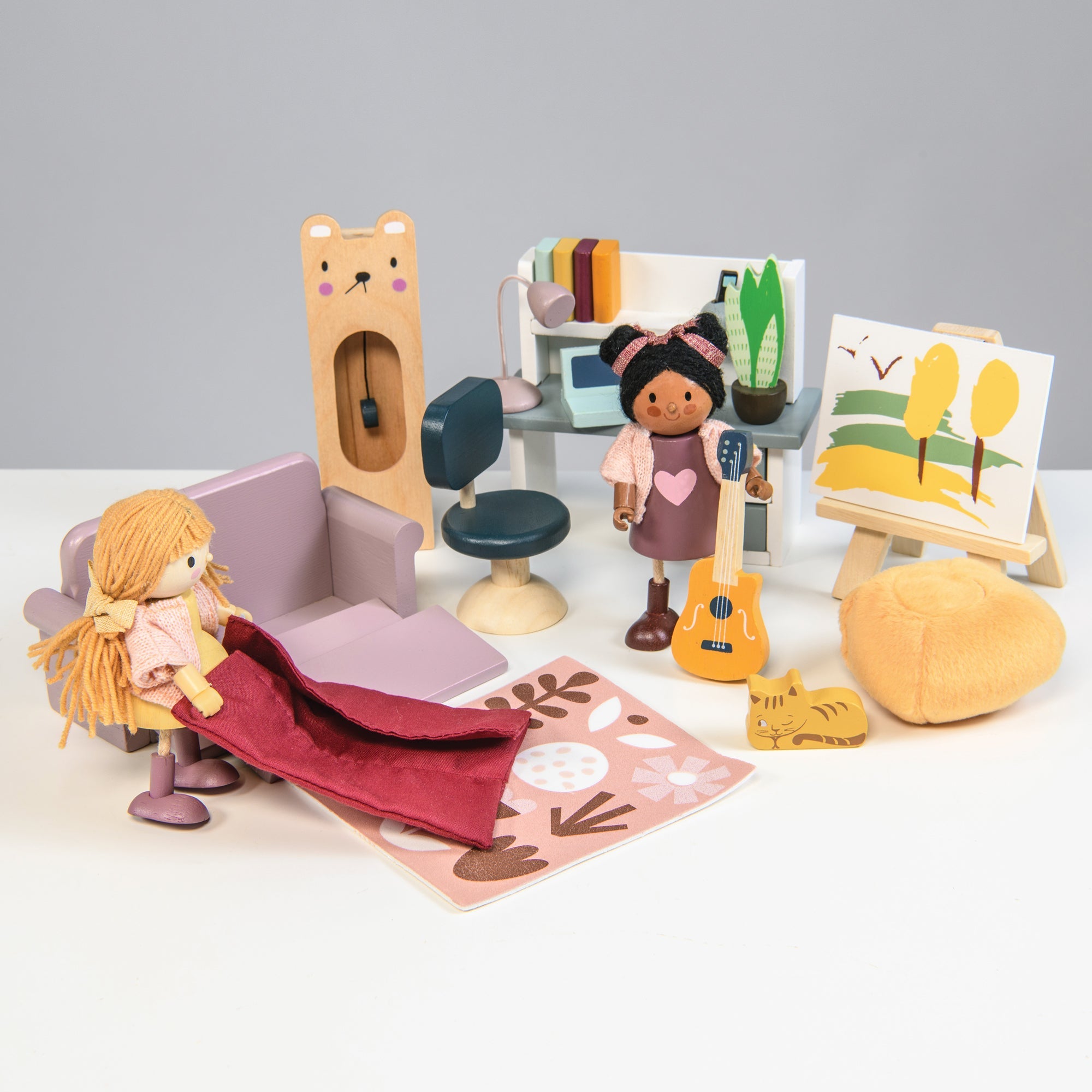
Dolls House Sitting Room Furniture

Dolls House Study Furniture
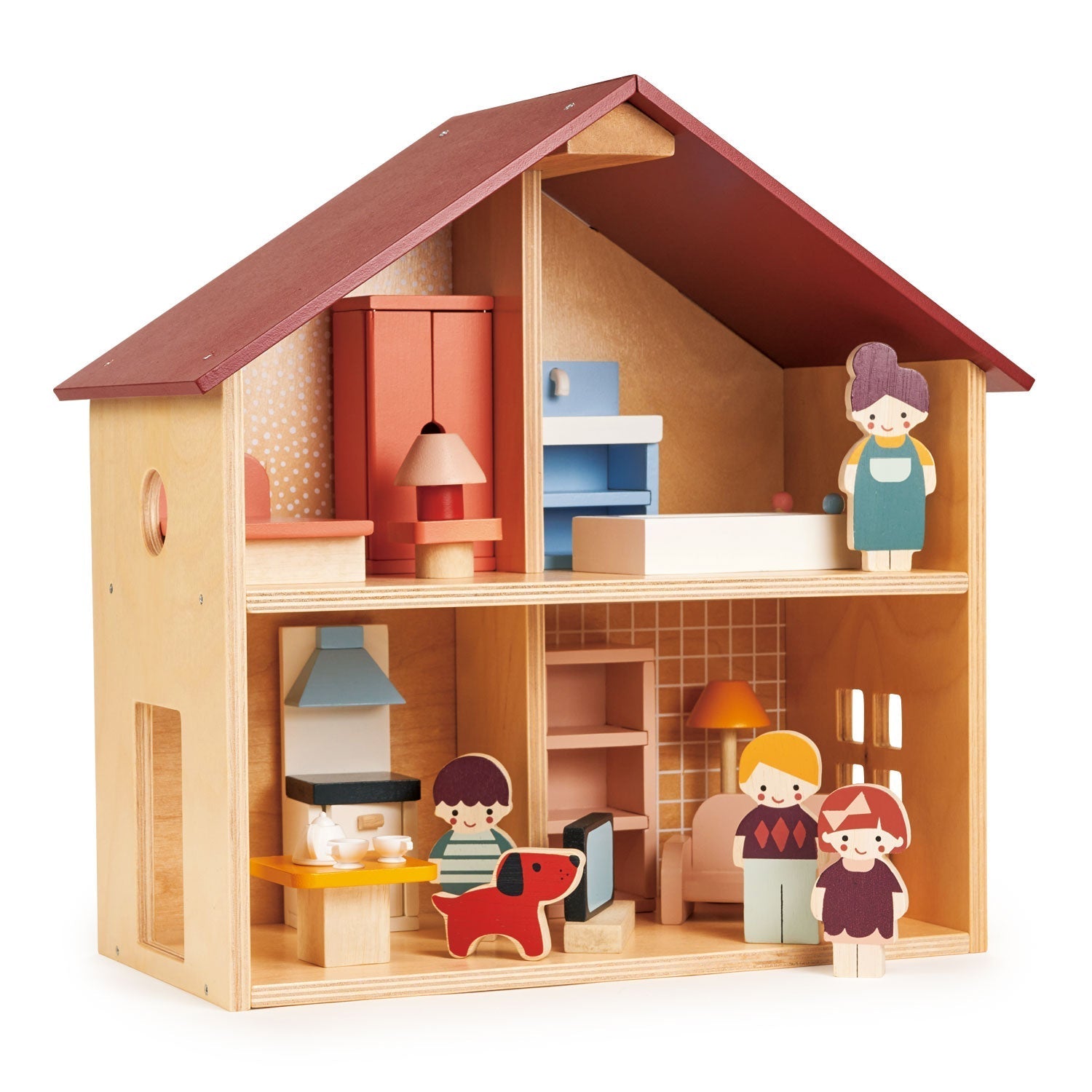
How to Choose a Kids' Dollhouse
A dollhouse is one of the few toys a child can grow up inside: the same house that hosts a two-year-old's teddy bedtime becomes the stage for a six-year-old's elaborate family sagas. Because it is also one of the bigger toy purchases you will make, it pays to match three things before you buy — your child's age, the space the toy house will live in, and how much of the inside you want to furnish on day one.
Match the house to your child's age
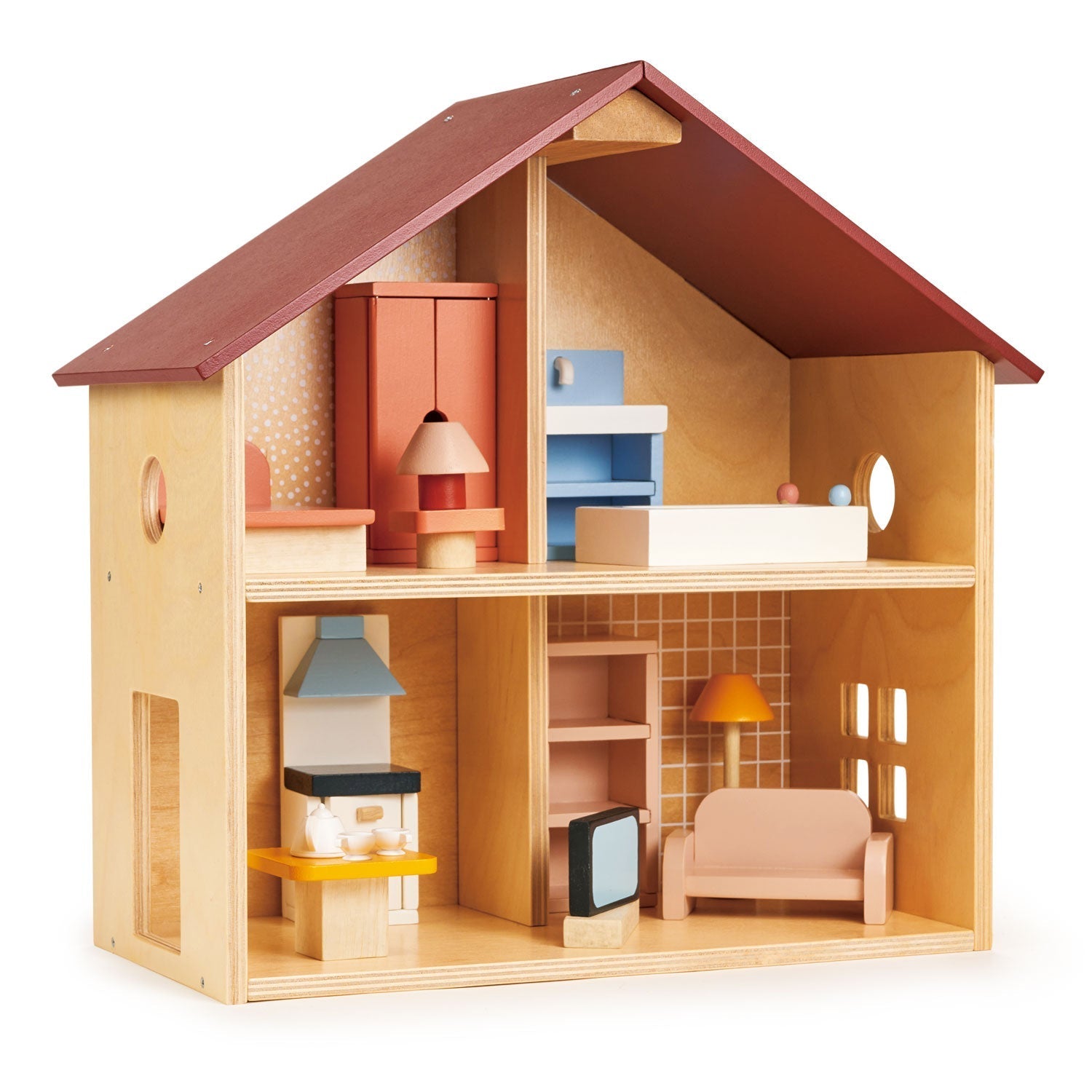
Under three, the best first dollhouse is open, low, and chunky. A design like My First Dollhouse keeps every room reachable from both sides, with pieces sized for toddler fists rather than fine fingers. From around three, children start caring about the story more than the stacking, and that is when detailed houses earn their price: Tender Leaf's Foxtail Villa adds staircases and a balcony to play out, while Le Toy Van's Bluebelle house is the classic painted cottage most people picture when they hear "dollhouse." For siblings who will play together, go taller and wider than you would for one child — a grand three-story house gives each child a floor and ends more arguments than it starts.
Size, scale, and where the toy house will live
Measure the spot first. A tall manor is glorious until it blocks a window, and a child plays longest with a house they can reach the top floor of while kneeling. Then check the scale: every house is built around a doll size, and furniture or figures from another set only move in happily if they match. Most wooden houses for young children take small bendy or peg-style dolls, so note the doll height the maker recommends and keep to it when you add pretend play pieces later. Open-backed and open-sided houses are easier for small children and for two players at once; front-opening houses hide the mess but need floor space in front of them.
Furnished, empty, or built room by room
Houses that come furnished cost more upfront but are playable the hour they are unwrapped — worth it for a birthday morning. An empty house plus a complete furniture set usually gives more flexibility, since the furniture can rearrange or migrate to the next house. The third path is the one grandparents love: start with the house, then add a room of furniture per occasion — kitchen now, bedroom at Christmas — so the house keeps feeling new for a year of celebrations without a pile of duplicate gifts.
What age can kids start playing with a dollhouse?
Most children are ready for a sturdy, simple dollhouse around eighteen months to two years, as soon as they start acting out routines like feeding and sleeping on their toys. The deep pretend-play years run roughly from three to seven, which is why a well-made wooden house so often outlasts the child it was bought for and gets handed down. Until your child is reliably past mouthing toys, choose houses and furniture with larger pieces and save the miniature teacups for later.
A dollhouse rewards the same instincts as every other kind of make-believe, and it rarely plays alone for long. For the dolls, food, and dress-up that end up moving in, start with the dolls and pretend play guide — and if you are wondering whether all that domestic drama is doing anything, the pretend play guide for kids explains why the answer is emphatically yes.