

 Parenting guide
Newborn Photography Guide 2026
 ·
April 1, 2026
·
April 1, 2026
In-home newborn photography captures the raw beauty of those first precious days in a familiar, relaxed environment. Unlike studio sessions, at-home shoots celebrate the intimacy of your family space, from nursery details to candid moments between feedings. This guide walks you through everything you need to know to create stunning newborn portraits at home—whether you're a parent with a smartphone or considering hiring a professional photographer. We'll cover timing, lighting, posing, styling, and the essential elements that transform ordinary moments into timeless memories.
Best Timing for Newborn Photography
The golden window for newborn photography is typically the first 5-14 days after birth. During this window, newborns are sleepier, more curled, and often more cooperative for posed shots. Their skin is still soft and unblemished, and they haven't yet developed severe acne or other skin conditions common in older babies.
The Ideal First Two Weeks
Days 3-7 are often considered the sweet spot. By this time, your baby has adjusted to life outside the womb but remains deeply sleepy and easily soothed. Their features are still "newborn perfect"—minimal puffiness, no cradle cap, and those tiny, curled-up proportions everyone finds irresistible.
Avoid scheduling shots right before or after feeding times, as babies are fussy when hungry or overstimulated. Mornings often work best when lighting is softest and babies are most settled after a night's rest.
Extended Timeline Options
If you miss that first two weeks, don't worry. Sessions between 2-3 weeks can still produce beautiful results—you'll simply have a more alert, interactive baby. By 4 weeks and beyond, consider lifestyle photography instead, which celebrates the in-between moments of early parenthood: diaper changes, cuddles, and the chaos of new motherhood.

Lighting: The Foundation of Great Newborn Images
Lighting is the single most important element in newborn photography. Soft, diffused, natural light is ideal. Hard shadows, overexposure, and artificial light can ruin even the most perfectly posed shot.
Natural Light Mastery
Position your baby near a window with indirect sunlight. Morning light from an east-facing window or afternoon light from a north-facing window (which stays consistent and soft all day) is ideal. Avoid direct, harsh midday sun, which creates unflattering shadows across tiny faces. If sunlight is too bright, use sheer white curtains or muslin to diffuse and soften it.
Supplemental Equipment
A white foam board or reflector opposite the window bounces soft light back onto shadows, creating balanced, flattering illumination. For evening shoots, consider a continuous LED light panel on the lowest warm setting—avoid flash, which startles sleeping babies and can cause eye strain.
The Nursery as a Lighting Studio
Your baby's nursery already has ideal architecture for newborn shoots: soft wall colors, gentle ambient light, and familiar textures. Position your shooting area near the brightest window, keeping in mind that lighting needs will change with seasons. Spring and fall offer the most consistent, flattering natural light for most nurseries.

Setup Essentials & Props
A successful newborn session doesn't require expensive equipment, but thoughtful preparation does. Here's what you need to transform your space into a photography set.
Foundation Elements
Start with a clean, organized background—your baby's crib, a cozy bed, or a dedicated photography area with neutral-colored sheets. Soft, machine-washable fabrics are essential since newborns (and your photography setup) will get messy. Muslin wraps are industry favorites for newborn shoots because they're soft, drape beautifully, and come in dozens of colors to complement your styling.
Props That Tell Your Story
The best newborn props are personal. A family heirloom blanket, a handmade quilt from grandma, or your baby's special swaddle wrap carry emotional weight that studio props can't replicate. Wooden accessories, soft baskets, and stuffed animals work beautifully when positioned thoughtfully. Keep props minimal—the focus should always be your baby, not a cluttered background.
Comfort Setup
Have extra swaddles, blankets, and wraps at arm's reach. Keep the room warm (babies fall asleep faster when they're cozy), and have wipes nearby for quick cleanups between shots. A white noise machine helps your baby stay calm during the session.
Perfect Props for In-Home Sessions
Safe Poses & Positioning
Beautiful newborn photos start with safe posing. Never leave your baby unattended, and prioritize comfort and safety over aesthetics. Many professional newborn photographers use bean bag chairs, props, and composite photography (combining multiple images) to create complex poses safely.
Safe Foundational Poses
The most universally safe and beautiful poses are simple: baby wrapped snugly in muslin, swaddled in their crib, or cradled in a parent's arms. These poses are naturally safe, emotionally resonant, and require minimal props. Swaddling is particularly effective because it soothes the baby and creates those precious curled-up newborn proportions.
Supported Poses
If attempting more complex poses like "baby in a basket" or "baby on a chair," ensure complete parental supervision and support. Have hands ready to catch, and never pose your baby in ways that require them to hold their own head or support themselves.
Temperature Matters
Keep your home warm during the session (68-72°F ideal). Warm babies sleep deeply and cooperate better for photography. Avoid removing baby's clothing for extended periods, as newborns lose body heat quickly. Layer clothing and blankets so you can shoot around the covering.
Never place your baby in precarious positions for the sake of a photo. If a pose feels unstable or requires your baby to hold weight, skip it. The best newborn photos emphasize safety and comfort—any photographer (professional or DIY) who prioritizes aesthetics over safety is not operating responsibly.

Wardrobe & Styling
Newborn styling celebrates tiny details: delicate outfits, precious accessories, and the textures of newborn essentials. The goal is to enhance your baby's features, not overwhelm them.
Color & Fabric Choices
Soft, neutral tones (white, cream, soft gray, pale yellow) make newborn skin glow and won't compete with their delicate features. Muslin wraps, swaddles, and lightweight blankets are perfect for newborn sessions because they drape beautifully and photograph well. Consider your home's aesthetic: what colors already exist in your nursery, master bedroom, and living spaces? Coordinate outfits with your planned backdrop.
Styling for Parents
If you're including parent-baby photos, coordinate with your baby's outfit without matching exactly. A parent in a neutral button-down shirt with sleeves rolled up creates intimate, timeless parent-baby images. Avoid busy patterns, large logos, and bright colors that distract from your baby's face.
Accessory Details
Delicate accessories like tiny bonnets, soft headbands, or heirloom jewelry add precious details for close-up shots. Keep them minimal—your newborn is the star. Many parents love incorporating family heirlooms or personalized items that tell their baby's story.
Create a Picture-Perfect Nursery Backdrop
DIY vs Professional Photography
Both approaches have merit. Let's break down what each offers so you can choose what's right for your family.
DIY In-Home Photography
Pros: No scheduling conflicts, comfortable environment, complete creative control, immediate access to images, and no extra cost. You can shoot whenever inspiration strikes and include siblings, pets, and family members naturally.
Cons: Limited technical knowledge may result in blurry, poorly lit, or awkwardly composed shots. You won't be able to capture yourself in the photos without a tripod or second shooter. Editing can be time-consuming if you want professional-looking results.
Professional In-Home Sessions
Pros: A trained eye for composition and lighting, professional editing, ability to capture you with your baby, experience posing newborns safely, and images you'll treasure for decades. Professionals typically provide prints, albums, or digital files in multiple formats.
Cons: Significant cost (typically $300-$2000+), need to schedule around photographer availability, and less control over styling and creative direction. Strangers in your home during vulnerable early parenting days can feel invasive.
The Hybrid Approach
Many families do both: candid DIY photography captures daily life, while a professional session creates those timeless portraits for framing and gifting. This balanced approach gives you breadth of content and those professional-quality keepsakes without requiring everything to be professionally photographed.
The Verdict
In-home newborn photography—whether DIY or professional—celebrates your family's story in the spaces where you live it. The best images emerge from soft light, safe positioning, and thoughtful styling with pieces you love. Success depends less on expensive equipment and more on understanding your home's light, keeping your baby comfortable and safe, and investing time in preparation.
If you have steady hands, good lighting, and patience with editing, DIY photography captures beautiful moments. If you want heirloom-quality images and professional guidance, invest in an experienced newborn photographer who understands in-home work. Either way, the magic of newborn photography lies in preserving this fleeting time—and those first two weeks are brief. Don't wait too long to capture these moments.
Related reading: newborn sleep in the first three months, choosing baby blankets, and baby loveys and security blankets.
Frequently Asked Questions
What's the best camera for newborn photography?
A DSLR or mirrorless camera with manual mode control is ideal because you can adjust ISO, aperture, and shutter speed for varying light conditions. However, modern smartphones (iPhone, Samsung) produce surprisingly good results in good light. The camera matters less than understanding light and composition.
How do I keep my baby safe during DIY photography?
Never leave your baby unattended, avoid poses that require them to support their own weight, keep the room warm, keep shots brief to prevent overstimulation, and prioritize comfort over aesthetics. If a pose feels unstable, skip it. Swaddled poses in the crib are safest and still produce beautiful results.
What time of day is best for newborn photography?
Early morning or late afternoon offers soft, warm light through windows. Avoid harsh midday sun (11 AM - 3 PM). Most babies are sleepiest and calmest in the morning after feeding, making early sessions ideal. The specific time depends on your home's window orientation and your baby's sleep schedule.
How should I edit newborn photos?
Subtle, natural editing is best. Increase exposure slightly if underexposed, warm skin tones gently, reduce blemishes lightly (don't erase them completely—newborns have imperfections), and ensure colors are true. Overprocessing makes images look unnatural. Apps like Lightroom, VSCO, and Snapseed offer intuitive controls for newborn photo editing.
Can I photograph my newborn with their eyes closed?
Absolutely. Many of the most peaceful, beautiful newborn images feature closed eyes. This is often preferable because open-eyed newborns can look unfocused or uncomfortable. Trust that serene closed-eye images capture the essence of early infancy perfectly.
What if my baby is fussy during the session?
Fussy babies are normal. Take breaks, feed if hungry, check temperature (too cold wakes babies), and try white noise. Some of the most authentic images capture the reality of parenthood: spit-up, crying, messy hair. Don't force poses. If your baby is genuinely uncomfortable or unwell, stop and reschedule for a better day.
When is the best time for newborn photos?
The ideal window is 5-14 days after birth. Newborns are sleepier and more flexible during this period, making it easier to capture those curled-up, peaceful poses.
How much do newborn photographers charge?
In-home newborn photography sessions typically cost $300-800+ depending on your location, photographer's experience, and package details. Most packages include 20-40 edited digital images.
How do I prepare for a newborn photo session?
Feed the baby right before the session, keep the room warm (80°F+), have pacifiers and white noise ready, prepare simple outfits and wraps, and don't worry about a perfect house — photographers focus on baby.
Keep reading
 GearIs the Freshly Picked Diaper Bag Worth It? Honest Review & Alternatives (2026)
 GearBIBS vs. Frigg vs. Soothie: The Pacifier Your Baby Will Actually Take (2026)
 GearLorena Canals Washable Rugs Review: Are $200-$600 Machine-Washable Rugs Worth It?
 GearCharlie Crane LEVO Rocker Review: Is the $309 Instagram Rocker Actually Worth It?
 GearDoona Car Seat Stroller Review 2026: Is It Worth It?
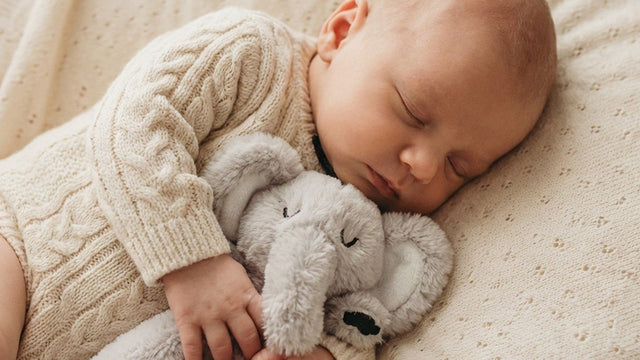 GearBest Baby Loveys & Security Blankets (2026)
 GearBest Push Walkers for Babies: First Steps Guide (2026)
 GearBest Baby Activity Centers: What Age They're For and Which to Buy (2026)
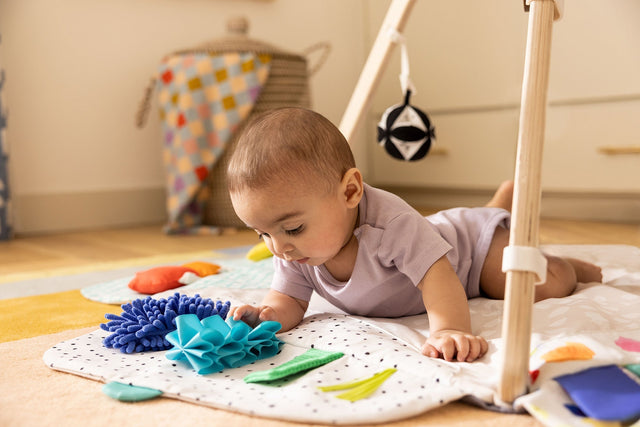 GearLovevery Play Gym Review 2026: Is It Worth It?
 GearBest Baby Towels & Washcloths 2026: Softest Picks by Fabric
 GearBest Bath Toys for Babies & Toddlers 2026: Safe & Fun Picks
 GearBest Baby Bathtubs of 2026: Safest Picks for Every Stage