

 Childcare & finance
Budgeting for a New Baby: A Practical Financial Guide
 ·
May 2, 2026
·
May 2, 2026
Last updated: October 2026
A baby doesn't have to blow up your budget — but it will change it. The families who handle the money side best aren't the ones with the highest income; they're the ones who planned ahead, decided what mattered, and built some flexibility into their spending. This guide gives you a practical, judgment-free framework for budgeting through pregnancy and the first year, from the diaper line you'll pay every month to the one-time gear purchases and the tax breaks most new parents leave on the table.
Whether you're living paycheck to paycheck or have comfortable savings, the principles are the same: know where the money goes, decide what matters, and build a system you can actually keep running at 3 a.m. with a newborn on your shoulder. Start with the biggest recurring line — diapers — because it's the one you can plan for before the baby is here.
Review your health insurance before conception if you can. Knowing your deductible, your out-of-pocket maximum and what your plan pays for delivery can save thousands, and open-enrollment choices made before pregnancy shape the entire year of birth.
Building Your Monthly Baby Budget
Before you assign dollar amounts, it helps to see which lines in a baby budget are fixed, which flex, and which you control completely:
| Budget line | What drives the cost | Where it flexes |
|---|---|---|
| Diapers and wipes | Size (bigger diapers cost more per unit) and brand | Subscribe-and-save, store brands, cloth after the newborn stage |
| Feeding | Formula vs. breastfeeding gear; pump, bottles, and later solids | Store-brand formula, a rental or insurance-covered pump, secondhand high chair |
| Childcare | Your area, the type of care, and hours needed — usually the largest line | Family help, nanny shares, a dependent-care FSA |
| Clothing | How fast they grow (very), season changes | Hand-me-downs, secondhand, buying one size up in sales |
| Gear (one-time) | Car seat, stroller, crib, carrier — the big-ticket items | Registry completion discounts, sales events, secondhand for everything except the car seat |
| Healthcare | Delivery costs, deductibles, well-baby visits | Adding the baby to insurance within the enrollment window, HSA/FSA dollars |
| Savings | Whatever you decide it is | Automate a small transfer so it happens before the money is spent |
For the numbers behind each line, see our guides to what a baby actually costs in the first year, childcare options and what each one costs, Trump Accounts for kids and the best baby registries.
Here's a realistic monthly baby budget for the first year for a middle-income family with one child:
Diapers and wipes: $80–100/month for disposables, or $50–70/month after an initial cloth-diaper investment. Newborns go through 8–12 diapers a day; that drops to 6–8 by 6 months. Size matters more than brand: a newborn-size pack has far more diapers for the money than a size 4 pack, so don't stock up on big sizes in advance.
Formula (if applicable): $150–250/month for standard formula; specialty formulas cost more. Breastfeeding brings this to $0–50 (pump supplies, storage bags, nursing pads).
Childcare: $800–2,500/month depending on type and location. This is almost always the largest single expense, and it is the line where a dependent-care FSA (below) does the most work.
Baby food (from 6 months): $50–100/month for store-bought, or significantly less if you make your own.
Clothing: $30–50/month on average — more in the first months while you build a wardrobe, less once you have the basics, and dramatically less with hand-me-downs.
Medical: $50–150/month on average, depending heavily on insurance: well-child visits, vaccinations, the occasional sick visit.
Miscellaneous: $50–100/month for toiletries, pacifiers, teethers and the endless small purchases you don't anticipate.
A worked example. A family paying for daycare three days a week in a mid-cost city might see: diapers $90, formula $180, childcare $1,300, clothing $40, medical $80, miscellaneous $70, savings $100 — about $1,860 a month, or roughly $22,000 in year one. The same family with a grandparent covering care and a breastfeeding parent drops to about $480 a month. That spread is why the rest of this guide spends so much time on the childcare and feeding lines.
Feeding: the line you control most
If you formula-feed, ask your pediatrician about store-brand formula: every infant formula sold in the US must meet the same federal nutrient requirements, store brands included, and they typically cost a third less. Sign up for formula companies' rewards programs for free samples and coupons, and buy the large tubs once you know a formula agrees with your baby.
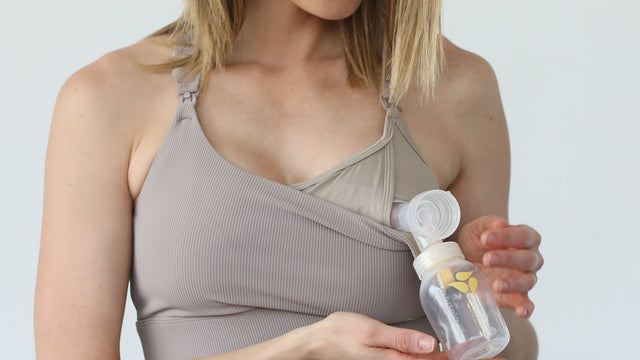
Bottles are a one-time buy, and most families need far fewer than they register for. Four to six bottles covers a formula-fed newborn with one dishwasher run a day; a breastfeeding parent who pumps occasionally needs two or three. Buy one or two of a brand first and confirm your baby takes the nipple before you commit to a set — a cupboard full of rejected bottles is a classic first-month expense. Under the Affordable Care Act most health plans cover a breast pump; call the number on your insurance card before you buy one.
Where to Save Without Sacrificing
Diapers: Buy in bulk, use subscription discounts, and stock up during sales. Store-brand diapers work perfectly well for most babies at 30–50% less than name brands. Cloth diapering saves the most over a year — a pocket-diaper system costs $300–600 up front and then only detergent — and modern pocket diapers with snap closures and washable inserts are nothing like the pins-and-plastic-pants version your parents remember.

Clothing: Secondhand baby clothes are often barely worn. Accept every hand-me-down, shop consignment sales and thrift stores, and resist the urge to buy adorable outfits in advance — you'll receive many as gifts. A baby doesn't know if their onesie came from a boutique or a garage sale. Buy one size up when things are on sale; a 6-month-old in a 9-month onesie looks fine, but a 9-month-old in a 6-month onesie needs new clothes today.
Gear: Buy big-ticket items — stroller, crib, car seat — during sales events, and put them on your registry so friends can pool toward them. Car seats should always be bought new: a used seat can have invisible crash damage, missing parts or an expired shell. Cribs, high chairs, play mats and bouncers are fine secondhand as long as they haven't been recalled and every strap, bolt and slat is present; the CPSC recall database is worth bookmarking. A convertible crib that turns into a toddler bed costs more up front but replaces a second purchase at age two.
Toys: A baby under one needs almost nothing you have to buy. A few rattles, a play mat and board books cover the first six months, and everyone you know will give toys at the baby shower and the first birthday. Put the toy money into the savings line instead.
Before the Baby: Financial Prep Checklist
Build an emergency fund. Aim for 3–6 months of expenses before the baby arrives. This covers unexpected medical costs, job changes, and the unpredictable expenses of early parenthood. Even a $1,000 starter fund provides real peace of mind.
Understand your parental leave. Know exactly what your employer offers: how many weeks, what percentage of pay, and whether you have to use vacation or sick time first. The federal Family and Medical Leave Act protects your job for up to 12 weeks but does not pay you, and it only applies at employers with 50 or more employees once you've worked there a year. If any of your leave is unpaid, calculate the income gap and start saving to cover it now. Check whether your state runs a paid family leave program — a growing number do.
Optimize health insurance. Compare plans during open enrollment with pregnancy in mind. A lower-premium plan with a high deductible may cost more overall than a higher-premium plan with better maternity coverage. For each plan, add up premiums + deductible + co-pays + coinsurance up to the out-of-pocket maximum, and assume you will hit that maximum in the birth year — most families do.
Pay down high-interest debt. Credit-card debt gets heavier when you're adding baby expenses. Every dollar of interest paid is a dollar that could go toward diapers, childcare or savings. Focus on the highest-interest balances first.
Start a baby fund. Open a separate savings account and automate small transfers — even $50 a week during pregnancy adds up to $1,000+ before the baby arrives. Keep it going after the birth: the same $50 a week, moved before you can spend it, becomes the fund for the toddler bed, the first bike and the dental visits nobody budgets for.

Insurance, Tax Credits and Benefits to Maximize
Health insurance: Most plans must cover prenatal visits and the recommended pregnancy screenings as preventive care, with no cost-sharing, under the Affordable Care Act (healthcare.gov); the delivery itself is covered but subject to your deductible and coinsurance. Know your out-of-pocket maximum — that's the most you'll pay in a plan year no matter how complicated the birth is, and an in-network C-section won't exceed it. Then add the baby to your plan promptly: a birth opens a special enrollment period of at least 30 days on job-based plans and usually 60 days on the Marketplace (healthcare.gov). Miss that window and the baby's bills are yours until the next open enrollment.
Dependent care FSA: If your employer offers one, contribute the maximum. For the 2026 tax year the dependent-care FSA cap rose from $5,000 to $7,500 ($3,750 if married filing separately), per IRS Publication 15-B. Every dollar goes in pre-tax, so the discount on childcare equals your marginal tax rate — at a 22% bracket, a full $7,500 contribution is worth about $1,650 back.
Child tax credit: Worth up to $2,200 per qualifying child under 17, with up to $1,700 of it refundable as the Additional Child Tax Credit if you owe little or no tax (IRS: Child Tax Credit). Your baby needs a Social Security number issued before the return's due date — apply at the hospital so it arrives in time. A baby born on December 31 qualifies for the full credit for that year.
HSA dollars: If you have a high-deductible plan with a health savings account, the birth is the year to use it. Delivery, the pediatrician's co-pays, breast-pump parts and even sunscreen for the baby are eligible, and the money goes in pre-tax.
WIC and SNAP: If your income qualifies, the WIC program provides supplemental food, nutrition education and healthcare referrals for pregnant and postpartum people and children under 5, including formula. There's no shame in using benefits designed to help families — that's exactly what they're for.
A First-Year Money Calendar
Spread the one-time costs across the year and the budget stops feeling like a wall. A workable order:
Second trimester: Compare insurance plans and confirm maternity coverage. Open the baby savings account. Build the registry and put the big-ticket gear on it so gifts pool toward the car seat and stroller — our when-to-buy-baby-gear timeline walks through the order.
Third trimester: Buy the car seat new and install it. Buy a month of newborn-size diapers and wipes — not more; babies outgrow the newborn size in weeks. Set up the dependent-care FSA election if your employer's plan year allows a life-event change.
Birth to 6 weeks: Add the baby to your health insurance and apply for the Social Security number before you leave the hospital. Switch the formula or diaper brand now if the first one isn't working, before you've bought in bulk.
3 months: Lock in childcare and the FSA. Move to subscribe-and-save on diapers once you know the size and brand.
6 months: Solids start. A secondhand high chair and a $20 set of silicone bowls covers it. Reassess the clothing line as the growth spurts slow.
12 months: File taxes with the child tax credit, review life insurance, and decide where the first-birthday gift money goes — a 529 plan or a Trump Account turns a one-time gift into something that compounds.
This guide is general information, not financial, tax or legal advice. Figures are for the 2026 tax year and change with legislation; confirm current limits with the IRS or a tax professional.
Frequently Asked Questions
How much should I budget for the first year?
A realistic first-year budget for a middle-income family runs $12,000–$20,000 with paid childcare, and $6,000–$10,000 when a parent or relative provides care. Childcare is the single biggest variable; diapers, feeding and healthcare together usually land between $300 and $500 a month.
How much do diapers cost per month?
Plan on $80–$100 a month for disposables through the first year, with the newborn months at the top of that range because babies go through 8–12 diapers a day. A cloth system costs $300–$600 up front and then about $50–$70 a month in detergent, liners and water, so it pays for itself around month six.
Should I pay off all debt before having a baby?
Pay down high-interest debt such as credit cards, but do not delay a family indefinitely to be debt-free. Student loans and a mortgage are long-term, manageable debt. An emergency fund and a plan for the first-year expenses matter more than a zero balance sheet.
How do we handle finances if one parent stays home?
Practice first: for two or three months before the due date, live on one income and bank the other salary. That shows whether a single income is feasible and builds savings at the same time. Keep retirement contributions going for the stay-at-home parent through a spousal IRA, and get term life insurance on both parents.
Is it cheaper to buy baby gear secondhand?
Usually yes, and most big items are safe to buy used: cribs, high chairs, play mats, bouncers and strollers are fine if they have not been recalled and every strap, bolt and slat is present. The exception is the car seat, which should always be bought new because a used seat can have invisible crash damage or an expired shell.
Is it worth it to make your own baby food?
On cost alone, yes: homemade purees cost roughly half to two-thirds less than pouches. On time, it depends on you. Batch-steaming once a week and freezing in ice-cube trays keeps it manageable, and store-bought pouches are perfectly nutritious for the weeks when homemade is not realistic.
What's the biggest financial mistake new parents make?
Buying too much gear before the baby arrives. Start with the essentials — car seat, a safe sleep space, feeding supplies, diapers and a week of outfits — and add items as you discover what your baby actually uses. Every baby is different, and half of a pre-bought nursery typically goes untouched.
Keep reading
 MoneyTrump Accounts: A Parent's Complete Guide
 Money529 Plans Explained: How to Start Saving for College
 MoneyChildcare Options Compared: Daycare, Nanny, and More
 MoneyThe Real Cost of Raising a Baby in 2026
 GearBest Baby Registry 2026: 10 Platforms Compared (Discounts, Welcome Boxes & Fine Print)
 GearLorena Canals Washable Rugs Review: Are $200-$600 Machine-Washable Rugs Worth It?
 GearKindred Bravely Sublime Nursing Bra Review: Sizing, Support & Where It Falls Short
 RegistryBaby Registry Quiz: Build Your Personalized Checklist
 FamilyGoing from One to Two Kids: A Complete Transition Guide (2026)
 PostpartumDiastasis Recti: Understanding, Preventing and Healing Core Separation (2026)
 PostpartumPelvic Floor Recovery After Birth: What Every New Parent Should Know (2026)
 FeedingPumping at Work: The Complete Back-to-Work Breastfeeding Guide (2026)