

 Toddler life
Traveling with a Toddler: The Complete Survival Guide (2026)
 ·
May 2, 2026
·
May 2, 2026
Traveling with a toddler is an adventure in every sense of the word. It takes more planning, more snacks, and more patience than you ever imagined. But it's also deeply rewarding — and entirely doable with the right preparation. This guide covers everything from flying tips to restaurant survival strategies.
Two companion guides go deeper on the specific journeys: road trips with kids for the car, and flying with a baby for airports and cabin logistics.
Pro tip: The TSA's family travel page outlines what you can bring through security — including breast milk, formula, and baby food in quantities exceeding 3.4 oz. Print or bookmark it before your trip.
Flying with a Toddler
Booking Strategy
Book flights during nap time or early morning when your toddler is naturally calmer. If possible, choose direct flights to avoid the stress of connections. Many airlines let you bring a car seat on board if you've purchased a seat for your child, which the AAP recommends as the safest option for children under 40 pounds.
Aisle seats give you easy escape access for diaper changes and restless legs. If you're flying with a partner, book the aisle and window — the middle seat often stays empty, and if it doesn't, most passengers will happily swap to the aisle or window.
In-Flight Survival
Pack a carry-on bag with layers of entertainment: new small toys, sticker books, snacks in multiple containers, and a tablet loaded with downloaded shows as your backup. Reveal items one at a time to maximize each distraction's lifespan.
Ear pressure during takeoff and landing bothers many toddlers. Offer a sippy cup, snack, or pacifier to encourage swallowing. If your child has a cold, ask your pediatrician about using saline drops before the flight. For more activity ideas on the go, check out our play couch guide for tips on creating play zones in small spaces.
Airport Navigation
Arrive early — but not too early. An extra 30 minutes gives you buffer without exhausting your toddler's patience in the terminal. Many airports have play areas near gates, and a good pre-flight run-around can make all the difference on the plane.
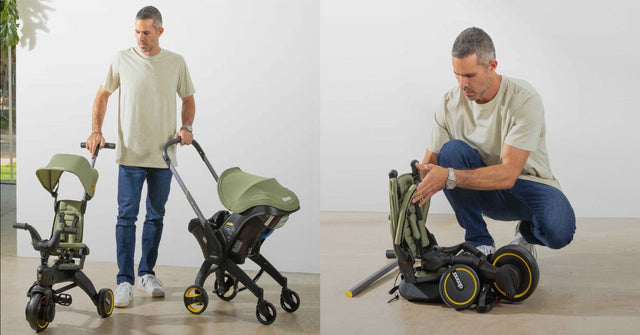
Use a lightweight stroller you can gate-check for free. It gives your child a place to rest and you a way to move quickly through long terminals.
Road Trip Strategies
Timing and Stops
Plan to drive during nap time or early morning when possible. Build in a stop every two hours — toddlers need to move, and a 15-minute stretch at a rest area prevents meltdowns. The NHTSA recommends never leaving a child in a car seat for extended periods without breaks.
Look for rest stops with grassy areas or playgrounds. Even five minutes of running makes a huge difference in your toddler's mood and cooperation for the next stretch.
Entertainment and Snacks
Rotate through activities every 20 to 30 minutes. Magnetic drawing boards, window clings, audiobooks, and singing work well in the car. Pack snacks that are easy to eat and low-mess — think dry cereal, cheese sticks, and sliced fruit in containers with lids.
A hanging car organizer keeps toys and snacks within your toddler's reach so you're not twisting around at every red light. Check our choking hazards guide to make sure your car snacks are toddler-safe.
The Ultimate Packing Checklist
Carry-On Essentials
Your carry-on is your lifeline. Pack diapers (one per hour of travel plus extras), wipes, a full change of clothes for your child and a spare shirt for you, snacks, a water bottle, medication, and comfort items like a favorite stuffed animal or blanket.
Don't forget chargers, headphones sized for little ears, and plastic bags for dirty clothes or diapers when a trash can isn't nearby. A small first aid kit with band-aids and children's pain reliever is worth the space. See our first aid kit guide for what to include.
Checked Bag Must-Haves
Pack more clothes than you think you'll need — toddlers are magnets for spills, mud, and unexpected messes. Include swimwear, layers for temperature changes, and comfortable shoes your child can put on independently. Laundry pods can save you if your accommodation has a washer.
Consider shipping bulky items like a travel crib or car seat ahead to your destination. Several services will deliver them to your hotel or rental, saving you the hassle of hauling them through airports.
Sleep on Vacation
Maintaining Routines
You don't have to replicate your home routine perfectly, but keeping the broad strokes — similar bedtime, familiar pajamas, the same bedtime book — helps your toddler adjust faster. Bring a portable white noise machine and your child's sleep sack or favorite blanket.
The first night is almost always the hardest. Expect some disruption and give your toddler grace. Most children settle into a new sleep environment within two to three nights.
Accommodation Tips
Request a room away from elevators and ice machines. If you're using a hotel crib, inspect it for safety — check that the mattress fits snugly and there are no loose parts. Many parents prefer to bring a travel crib they know and trust.
For vacation rentals, do a quick childproofing sweep when you arrive. Cover outlets, move breakables, and check that balcony doors lock securely. A few minutes of preparation prevents a lot of anxiety. Our climbing toys guide has tips on keeping active toddlers safely occupied.
Dining Out with a Toddler
Choosing the Right Restaurant
Look for family-friendly restaurants with quick service, outdoor seating, or a casual atmosphere. Eating early — around 5:00 or 5:30 — means smaller crowds and faster tables. Don't be afraid to ask if the restaurant has high chairs before you arrive.
Ethnic restaurants with shared plates and quick-serve options often work better than sit-down chains with long wait times. Your toddler doesn't need a kids' menu — small portions of what you're eating are usually more interesting to them anyway.
Table Strategies
Bring a small bag of quiet activities: crayons, a mini coloring book, or a few small toys. Order your child's food as soon as you sit down or bring a snack to hold them over. If things go sideways, one parent can take a walk outside while the other finishes eating.
Lower your expectations and raise your flexibility. A successful restaurant meal with a toddler doesn't have to look like a pre-kid dining experience. If everyone ate something and nobody cried, that's a win.
Shop all toddler carriers at EasyTot →
Frequently Asked Questions
What's the best age to start traveling with a toddler?
There's no perfect age — families travel successfully with babies and toddlers at every stage. Many parents find that 12 to 18 months is a sweet spot where children are mobile enough to enjoy new environments but still nap reliably.
Should I buy a separate plane seat for my toddler?
The AAP recommends using an FAA-approved car seat on the plane for children under 40 pounds, which requires purchasing a seat. Lap infants fly free domestically under age 2, but a car seat is safer in turbulence.
How do I handle jet lag with a toddler?
Shift your child's schedule gradually in the days before your trip. Once you arrive, get outside in natural light to help reset their internal clock. Most toddlers adjust within two to three days.
What if my toddler screams on the plane?
It happens. Stay calm, offer comfort, and cycle through distractions. Most passengers are more understanding than you think. Noise-canceling headphones for yourself can help you stay regulated while you help your child calm down.
How do I keep my toddler safe in a hotel room?
Do a quick safety check on arrival: cover outlets, move cords out of reach, secure heavy furniture if possible, and lock balcony doors. Bring a portable baby gate if your room has stairs or a split level.
Keep reading
 GearBest Toddler Backpacks for Ages 1–4: Mini Backpacks for Daycare, Travel & Preschool
 MilestonesPotty Training Method Matcher: Which Approach Fits Your Family?
 MilestonesUnderstanding Toddler Tantrums: A Parent's Guide (2026)
 MilestonesThe Complete Potty Training Guide for Toddlers (2026)
 MilestonesYour 2-Year-Old Toddler: Milestones & Development (2026)
 MilestonesYour 18-Month-Old Toddler: Milestones & Development (2026)
 MilestonesWhy Toddlers Love Marble Runs 2026
 MilestonesYour 12-Month-Old Baby: Milestones & Development (2026)
 MilestonesYour 11-Month-Old Baby: Milestones & Development (2026)
 MilestonesYour 10-Month-Old Baby: Milestones & Development (2026)
 MilestonesYour 9-Month-Old Baby: Milestones & Development (2026)
 MilestonesYour 8-Month-Old Baby: Milestones & Development (2026)
 MilestonesYour 7-Month-Old Baby: Milestones & Development (2026)